
Understanding the Impact of Climate on Siding Choices
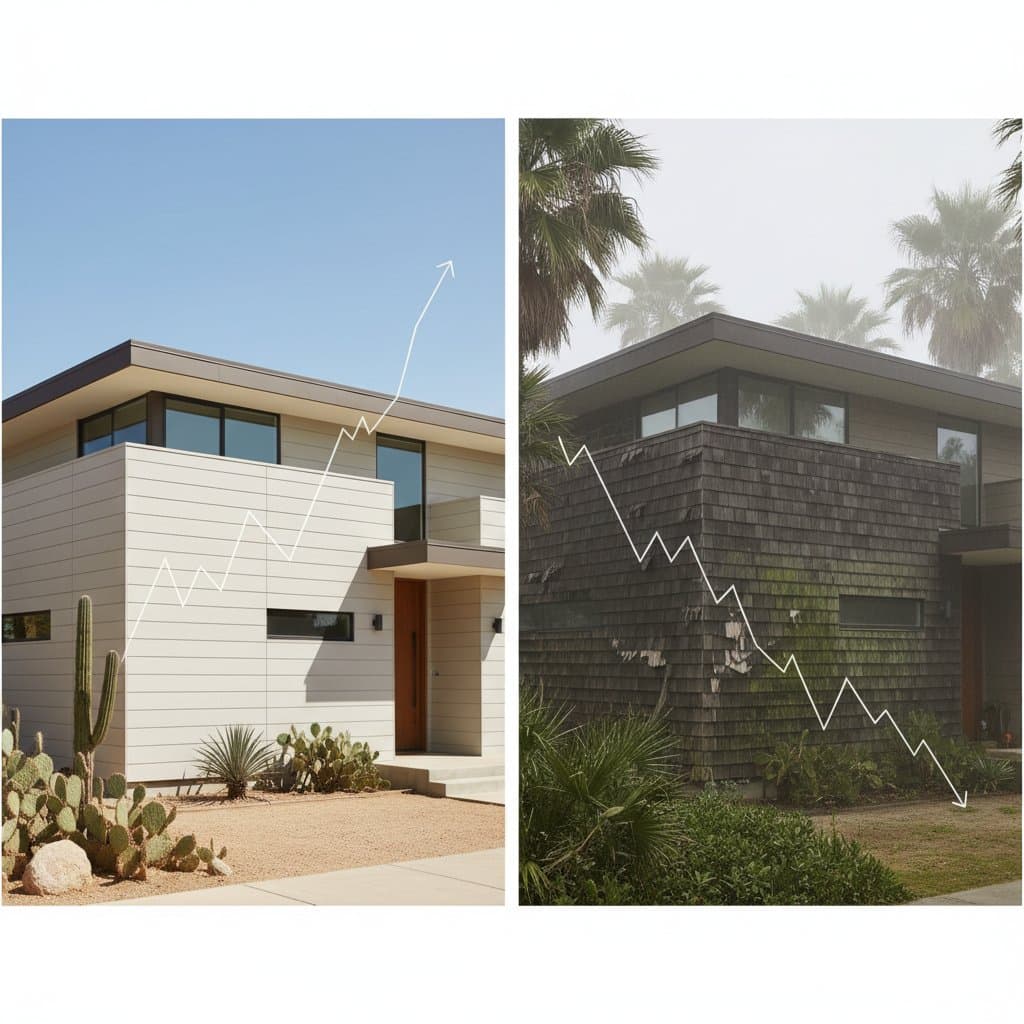
Your home's siding serves as more than a decorative layer; it acts as a shield against weather extremes. In regions with heavy rainfall, for instance, materials that resist moisture absorption prevent mold growth and structural damage. Conversely, in arid deserts, siding must endure intense UV exposure without cracking or fading prematurely. Mismatching siding to your climate can lead to accelerated wear, higher repair costs, and a potential 40 percent drop in resale value due to visible deterioration that deters buyers.
Consider coastal areas where salt-laden winds accelerate corrosion on metal sidings. Opting for vinyl or fiber cement in such environments maintains integrity longer than untreated wood. Data from real estate analyses shows that homes with climate-suited exteriors sell 15 to 20 percent faster, underscoring the financial stakes involved.
Selecting Materials That Match Your Climate
Each climate zone demands specific siding types to optimize durability and aesthetics. In temperate zones with moderate temperatures, wood siding offers natural insulation but requires treatments against humidity fluctuations. For hot, humid subtropical areas, engineered wood or vinyl provides resistance to warping while allowing breathability to prevent trapped moisture.
In cold, snowy climates, materials like insulated vinyl or metal with thermal breaks minimize heat loss and ice damming. Avoid aluminum in freeze-thaw cycles, as expansion and contraction lead to buckling. Desert regions benefit from cement board siding, which withstands dry heat and sand abrasion without splintering.
Tropical zones call for impact-resistant options such as hardie plank to counter hurricanes and heavy rains. Always consult local building codes, which often specify materials proven in regional conditions. This selection process not only extends the siding's lifespan but also enhances energy efficiency, contributing to lower utility bills over time.
Design Principles for Enhanced Curb Appeal
Effective siding design integrates seamlessly with your home's architecture and surroundings. Maintain moderate contrast between siding and trim to create depth without creating stark, distracting lines. For example, pair a medium-gray siding with white trim in overcast climates to ensure visibility and warmth.
Align horizontal joints with architectural elements like window sills or porch beams to achieve balanced proportions. This technique draws the eye along the facade, making the home appear larger and more cohesive. Select colors with neutral undertones that harmonize with neighboring properties and adapt to varying light conditions throughout the day.
Highlight the entryway using refined trim details, contemporary house numbers, and symmetrical lighting fixtures. These elements guide potential buyers' focus to welcoming features. Darker siding may fade under prolonged sun exposure, whereas very light colors reveal dirt in rainy areas. Neutral mid-tones generally age gracefully and present well in real estate photography.
Key Design Takeaway: Thoughtful composition results in quicker sales and reduced buyer hesitations. Aim for a calm, unified appearance that complements the landscape.
Installation Techniques for Optimal Performance
Proper installation is crucial to realizing the full benefits of climate-appropriate siding. Begin with a thorough site preparation, including clearing debris and ensuring a level substrate to prevent uneven settling. In wet climates, incorporate adequate flashing around windows and doors to direct water away from vulnerable seams.
Secure siding with corrosion-resistant fasteners suited to local humidity levels; galvanized nails work well in coastal settings. Space boards or panels to allow for thermal expansion, particularly in extreme temperature swings. Professional installers should verify ventilation behind the siding to reduce moisture buildup and promote airflow.
Post-installation, conduct a walkthrough to check for gaps or misalignments that could invite pests or water intrusion. Quality installation not only complies with warranties but also fortifies the home against climate-specific threats, preserving structural integrity for decades.
Maintenance Routines to Preserve Value
Regular upkeep ensures siding withstands environmental stresses and retains its protective qualities. Establish a predictable schedule tailored to your material and locale. Neglect accelerates degradation, potentially slashing resale value by highlighting deferred maintenance to inspectors.
Essential Maintenance Checklist:
- Quarterly Tasks: Hose down accumulated dirt and inspect for dents or cracks from impacts.
- Annual Reviews: Examine caulking for deterioration and apply touch-up paint where finishes have chipped.
- Biennial Deep Cleans: Use a low-pressure washer to remove mildew, followed by checks on flashing, soffits, and gutters for clogs.
Steer clear of abrasive tools or caustic cleaners that damage protective coatings. Adhere to manufacturer guidelines to uphold warranty validity. Document all maintenance activities with photos and records, which reassure buyers during showings.
Warranty Essentials: Standard warranties address material flaws but exclude issues from poor installation or skipped care. Proactive habits like these extend service life by years, maintaining the home's competitive edge in the market.
Maintenance Takeaway: Consistent care builds buyer confidence and sustains the siding's contribution to overall property worth.
Realizing Long-Term Benefits
Climate-aligned siding delivers reliable comfort, curbs escalating repair expenses, and strengthens your position in resale negotiations. When materials, design choices, and installation practices all respond to local weather patterns, the exterior endures without frequent interventions. Resist fleeting trends that overlook empirical climate data; instead, prioritize proven selections that align with enduring value.
Homeowners who invest thoughtfully report enhanced daily living through improved insulation and aesthetics. At resale, such homes command premiums, often recouping installation costs twofold. This strategic approach transforms siding from a mere upgrade into a cornerstone of financial and functional resilience.