
Understanding the 2025 Siding Cost Increase
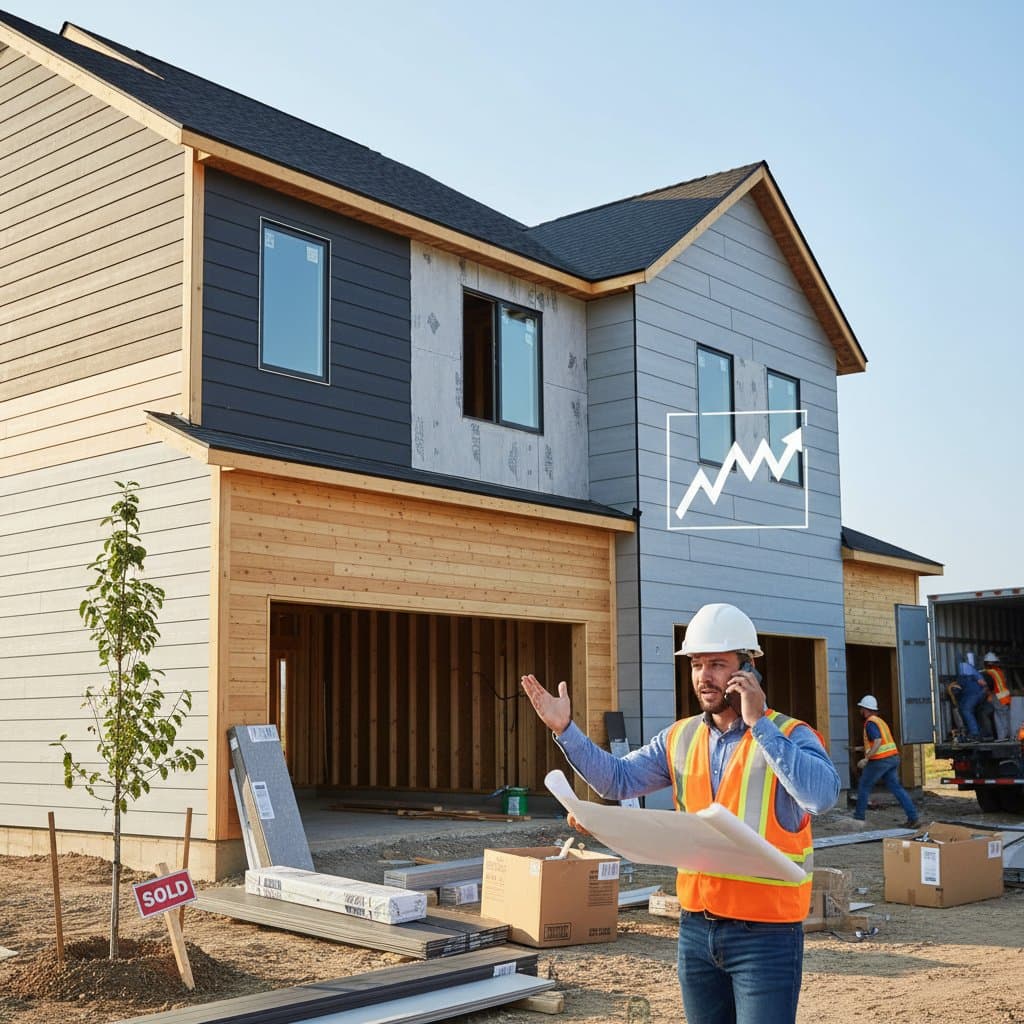
Homeowners face a significant challenge as siding costs climb 30% in 2025. This surge stems from multiple factors affecting the construction industry. Materials become scarcer, labor demands grow, and logistics complicate supply chains, all contributing to higher prices.
The impact extends beyond initial expenses. Without preparation, projects delay or budgets overrun. Proactive steps allow individuals to mitigate these effects and maintain home improvements on schedule.
Factors Driving the Price Rise
Supply shortages play a central role in elevating costs. Demand for popular siding types, such as vinyl and fiber cement, outpaces production. Manufacturers struggle with raw material availability, leading to limited stock and premium pricing.
Labor shortages exacerbate the situation. Skilled installers command higher wages due to a tight market. Regions with booming housing developments experience even greater competition for workers, pushing rates upward.
Transportation challenges add another layer. Fuel prices fluctuate, and global events disrupt shipping routes. These elements combine to inflate overall project expenses, making advance planning essential.
Material Shortages in Detail
Vinyl siding, a common choice for its affordability, faces production delays from resin supply issues. Fiber cement options, valued for durability, see price hikes from cement and pulp constraints. Wood siding, though traditional, encounters timber sourcing difficulties amid environmental regulations.
Homeowners notice these shifts in local supplier quotes. Early identification of trends helps in selecting alternatives that balance cost and quality.
Labor and Installation Pressures
The construction workforce shrinks as retirements outnumber new entrants. Training programs lag, leaving gaps in expertise. Installers specialize in siding demand specific skills, from precise measurements to weather-resistant techniques.
Regional variations influence rates. Urban areas charge more due to travel and permitting complexities. Rural locations may offer savings but face material delivery hurdles.
Transportation and Supply Chain Impacts
Rising fuel costs directly affect hauling fees. Container shortages from international trade imbalances slow imports of components. Domestic trucking faces route congestion, increasing time and expense.
These dynamics create uncertainty. Monitoring industry reports provides foresight into potential delays.
Strategies for Effective Budget Planning
Secure multiple quotes from reputable contractors before prices escalate further. Compare not only costs but also timelines and warranties. This approach reveals competitive offers and builds leverage for negotiations.
Allocate a contingency fund of 15 to 20% above base estimates. Unexpected fluctuations in material availability or weather-related postponements require flexibility. Such preparation prevents financial strain during execution.
Time projects strategically. Schedule during off-peak seasons, like late fall or early spring, when demand dips. Contractors often provide discounts to fill calendars, easing budget pressures.
Selecting Durable Siding Materials
Prioritize options that withstand local climates. In humid areas, fiber cement resists moisture better than wood, reducing replacement needs. Vinyl performs well in moderate temperatures, offering low maintenance.
Assess longevity alongside upfront costs. Materials with 50-year warranties justify higher initial investments through extended service. Energy-efficient choices, like insulated siding, lower utility bills over time.
Consider aesthetic alignment with neighborhood standards. Neutral tones and clean lines enhance resale value. Samples from suppliers aid in visualizing final results.
Comparing Popular Siding Types
- Vinyl Siding: Lightweight and easy to install, it costs less initially but may fade in intense sun.
- Fiber Cement: Tough against pests and fire, it requires professional handling for best outcomes.
- Wood Siding: Offers natural beauty yet demands regular sealing to prevent rot.
- Metal Siding: Provides modern appeal and reflectivity, ideal for energy savings in hot regions.
Each type suits different budgets and preferences. Consult local experts for tailored recommendations.
Ensuring Quality Installation
Hire certified professionals with proven track records. Verify licenses, insurance, and references to avoid subpar work. Proper installation prevents issues like warping or gaps that lead to costly repairs.
Oversee preparation phases closely. Site cleanup and structural assessments ensure a solid foundation. Attention to flashing and sealing details blocks water intrusion.
Post-installation inspections confirm adherence to codes. Address minor adjustments promptly to maintain integrity.
Maintenance Practices for Long-Term Value
Establish a routine cleaning schedule using mild solutions and soft brushes. Remove debris annually to prevent buildup that accelerates wear.
Inspect for damage after severe weather. Seal cracks immediately to safeguard against elements. Professional tune-ups every five years extend material life.
These habits preserve appearance and functionality. A well-maintained exterior boosts property appeal and supports higher market values.
Steps to Launch Your Siding Project
Start by researching local suppliers and contractors today. Gather quotes and material samples to inform decisions. Develop a timeline that aligns with budget constraints and seasonal opportunities.
Integrate sustainable practices where possible. Recycled content sidings reduce environmental impact without compromising quality. These choices enhance home efficiency and appeal.
By acting now, homeowners position themselves ahead of the curve. Thoughtful planning turns potential challenges into opportunities for lasting improvements.