
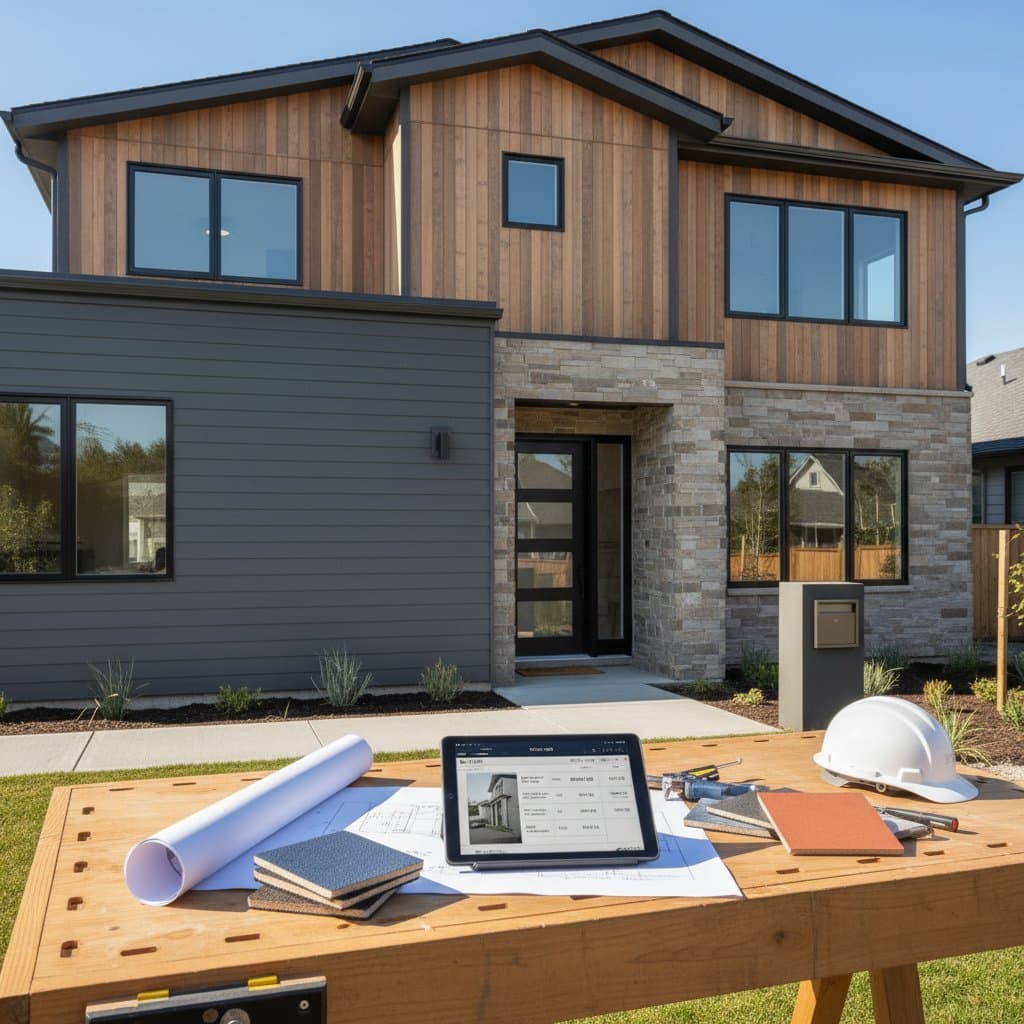
What $20,000 Buys in 2026 Siding Materials: Maximizing Value and Durability
Homeowners embarking on a siding replacement project frequently establish a budget around twenty thousand dollars. This amount supports a comprehensive upgrade for an average-sized home, yet the exact outcomes hinge on factors such as total square footage, selected materials, and installation specifics. By examining how this budget allocates across materials, labor, and ancillary tasks, individuals gain clarity on achieving enhanced aesthetics, longevity, and increased property value.
Project Overview at a Glance
Project Scope: Complete siding replacement for a typical single-story residence covering approximately 1,500 to 2,000 square feet.
Timeline: Seven to fourteen days, influenced by old siding removal, weather conditions, and crew size.
Complexity Level: Moderate to high, involving precise handling of materials, intricate trim work, and safe access to elevated areas.
Cost Spectrum: Fifteen thousand to twenty-five thousand dollars, varying by location and home features.
Key Expense Factors: Demolition and waste removal, trim detailing complexity, number of stories, disposal logistics, and prevailing regional labor rates.
Selecting Materials and Profiles for Optimal Performance
Siding options vary significantly in terms of lifespan, upkeep requirements, and visual appeal. Property owners must weigh initial expenses against long-term resilience and potential boosts to market value when making selections.
| Material Type | Pros | Cons | Installed Cost per Square Foot | Maintenance Level | Fire and Moisture Resistance |
|---|---|---|---|---|---|
| Vinyl | Economical pricing, extensive color options, rare need for repainting | Susceptible to cracking in freezing temperatures, subdued appeal in luxury markets | $6 to $10 | Low | Moderate |
| Fiber Cement | Extended durability, superior fire protection, authentic wood-like finish | Substantial weight demands robust support, periodic painting required, elevated installation expenses | $9 to $14 | Moderate | High |
| Engineered Wood | Organic texture and feel, reduced weight for easier handling, pre-applied factory coating | Requires meticulous sealing on cut surfaces, risk of expansion from moisture if overlooked | $8 to $13 | Moderate | Moderate |
| Metal | Exceptional strength, environmentally friendly recyclability, contemporary aesthetic | Vulnerable to dents from impacts, restricted design versatility | $10 to $15 | Low | High |
| Composite or Polymer Panels | Consistent pigmentation over time, negligible ongoing care | Premium pricing, scarcity of specialized installers in some areas | $12 to $18 | Low | High |
Blending Materials for Budget Efficiency
Integrating multiple materials extends the reach of a twenty-thousand-dollar allocation. Consider applying fiber cement to primary facade sections while incorporating vinyl accents in gable areas; this approach maintains cost control alongside dynamic visual elements. Limit combinations to no more than two distinct textures per facade to avoid overwhelming the design, and align horizontal orientations while ensuring seamless corner transitions.
Practical Recommendation: Align material resilience with local environmental conditions and intended resale objectives. Prospective buyers in standard communities anticipate at least mid-tier siding quality, where uniform application conveys superior craftsmanship during property viewings.
Ensuring Superior Installation to Mitigate Risks
Premium materials underperform if installation overlooks essential protocols. Issues like water penetration, improper securing, and inadequate sealing accelerate deterioration and invalidate manufacturer guarantees.
Safeguarding the Building Envelope
Apply a seamless weather-resistive barrier beneath every siding layer. Secure all joints with appropriate tape, install flashing around window and door openings, and maintain adequate gaps at ground level and roof junctions. These measures effectively block moisture from infiltrating the structural walls.
Identifying Frequent Installation Shortcomings
-
Absence of kick-out flashing where roofs meet vertical walls, leading to concentrated water pooling.
-
Reliance on caulk as a substitute for dedicated flashing systems, which fails under prolonged exposure.
-
Excessive nail penetration that fractures fiber cement panels during fastening.
-
Exposed, untreated edges on engineered wood that invite moisture absorption and warping.
Preparing the Site and Managing Waste
Organize material delivery to preserve landscaping and maintain driveway accessibility. If the project affects neighboring properties, secure prior agreements for shared pathways. Inquire about the contractor's strategy for containing and removing debris, as disposal charges can accumulate to several hundred dollars based on volume and local regulations.
Practical Recommendation: Insist on photographic documentation of the weather barrier and flashing applications prior to covering them with siding. Such records facilitate warranty enforcement and verify adherence to vital procedures.
Choosing Contractors and Evaluating Proposals
The quality of a siding installation often depends on the precision of contractual agreements. A thorough review of proposals item by item serves as the strongest safeguard against surprise expenses.
Essential Scope Verification List
-
Specified material variety and gauge thickness.
-
Approach to weather barrier application and flashing integration.
-
Handling of trim elements and soffit coverings.
-
Outline for waste disposal and site restoration.
-
Allocation of duties for obtaining permits and scheduling inspections.
Analyzing Competitive Bids
Require each contractor to provide estimates for identical materials and coverage areas. Eliminate vague allowances that obscure true expenditures. Proposals omitting waste management or trim work frequently result in escalated final costs. Comprehensive bids encompassing all supplies and labor offer the most transparent assessment of overall worth.
Structuring Payment Terms
Establish progressive payments tied to verifiable milestones, such as ten percent upon contract signing, thirty percent after material delivery and site preparation, forty percent following installation completion and inspection passage, and the remaining twenty percent after final cleanup and walkthrough approval. This structure incentivizes steady progress while protecting the homeowner's financial interests. Include clauses for withholding portions until deficiencies are rectified, and specify timelines for addressing any post-completion issues.
Practical Recommendation: Consult at least three licensed, insured contractors with proven siding portfolios, and prioritize those offering detailed warranties on both materials and workmanship.
Sustaining Your Siding Investment Over Time
Once installed, siding demands routine attention to preserve its protective and aesthetic functions. Regular inspections reveal early signs of wear, extending the system's effective lifespan and safeguarding the home's exterior integrity.
Seasonal Maintenance Protocols
Examine siding biannually for cracks, loose fasteners, or discoloration, particularly after severe weather events. Clean surfaces gently with mild soap and low-pressure rinsing to remove dirt and mildew without damaging finishes. For painted options like fiber cement, schedule repaints every seven to ten years based on exposure and color fading.
Addressing Long-Term Considerations
Monitor for pest activity or vegetation overgrowth that could compromise seals. In coastal or humid regions, enhance ventilation to deter mold formation behind panels. Track energy efficiency gains, as modern siding often reduces heating and cooling demands through improved insulation properties.
Practical Recommendation: Integrate siding care into annual home maintenance routines, budgeting two hundred to five hundred dollars yearly for inspections and minor repairs to sustain peak performance and value retention.
Realizing Lasting Benefits from Your Siding Upgrade
A well-executed siding project with a twenty-thousand-dollar investment yields enduring advantages beyond initial costs. Enhanced curb appeal attracts buyers and elevates neighborhood standing, while durable materials minimize future disruptions. Homeowners who prioritize quality selection, meticulous installation, and ongoing upkeep position their properties for optimal resale returns and reduced lifetime expenses.