
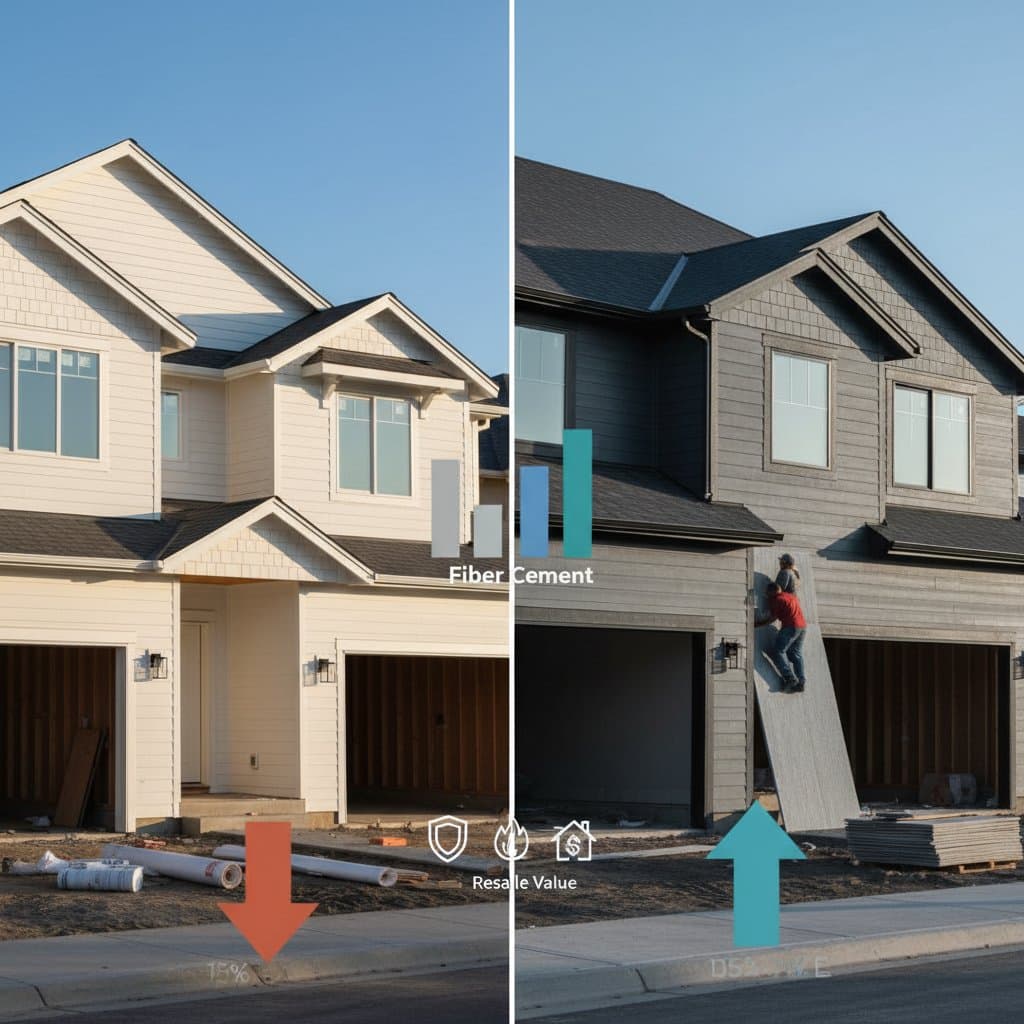
The Evolving Siding Market: Vinyl ROI Drops 15%, Fiber Cement Rises
Homeowners investing in exterior upgrades face a notable change in material performance metrics. Vinyl siding, long prized for its budget-friendly installation, now shows a 15% reduction in return on investment compared to five years ago. Factors such as escalating raw material prices, noticeable color fading over time, and a lifespan typically limited to 20 to 40 years contribute to this decline. In contrast, fiber cement siding, composed of cement, sand, and cellulose fibers, delivers superior resilience against weather, pests, and impacts, often boosting home values by 80 to 90% upon resale. Understanding these dynamics allows for better project planning, including realistic cost projections and maintenance schedules that align with long-term financial goals.
Selecting the Right Siding Style and Material
Choosing siding involves balancing aesthetics, functionality, and budget. Start by evaluating your home's architectural style and local climate to determine suitable profiles and materials. This section outlines key options, their characteristics, and practical selection tips to ensure a cohesive and durable exterior.
Common Siding Profiles
Siding profiles define the visual rhythm of your home's facade. Consider these standard choices:
- Lap siding: Horizontal panels that overlap for a clean, streamlined appearance, ideal for traditional and contemporary homes.
- Board and batten: Vertical boards separated by narrow battens covering joints, adding texture and height to modern farmhouse or rustic designs.
- Shingle or shake: Mimics natural wood with irregular, overlapping pieces, perfect for accent areas like gables or coastal-inspired exteriors.
For seamless integration, maintain consistent trim widths across profiles. Position transitions at natural breaks, such as under windowsills or along rooflines, to avoid visual disruptions.
Material Breakdown: Vinyl vs. Fiber Cement
Each material offers distinct benefits suited to different priorities. Vinyl provides simplicity in installation, while fiber cement emphasizes longevity.
Vinyl Siding
Formed from polyvinyl chloride, vinyl panels interlock easily and weigh little, allowing one person to handle most cuts and placements. Colors integrate fully through the material, minimizing the appearance of surface scratches. However, exposure to intense sunlight can cause warping, and extreme cold may lead to cracking. Installation costs range from $4 to $8 per square foot, with projects completing in one to two weeks for a standard 2,000-square-foot home.
Fiber Cement Siding
This durable composite mixes cement, sand, and reinforcing cellulose fibers into rigid planks or sheets. It excels in fire-prone areas with a Class A fire rating and repels termites and moisture effectively. Available in prefinished colors or primed for custom painting, it requires two workers for lifting due to its weight and specialized tools like rasp cutters for edges. Expect upfront costs of $8 to $15 per square foot installed, with timelines extending to two to three weeks, but warranties often reach 50 years or more.
Weighing Pros and Cons
Compare these materials side by side to inform your decision:
| Material | Pros | Cons |
|---|---|---|
| Vinyl | Affordable initial outlay; fast setup with minimal tools; no painting required | Prone to fading and thermal expansion; reduced curb appeal over time; ROI now at 65-75% for resale |
| Fiber Cement | Exceptional strength and weather resistance; customizable finishes; ROI of 85-95% enhances property value | Increased labor and material expenses; periodic repainting every 10-15 years; dust during cutting |
Fiber cement's higher fire resistance makes it preferable in wildfire zones, while vinyl suits milder climates where cost savings matter most.
Integrating Trim and Accents
Trim elements frame the siding and protect edges from moisture. Select trim that matches the siding's thickness to prevent uneven joints; for fiber cement, use coordinating cement-based trim for flush alignment. Vinyl systems often incorporate J-channels and aluminum corner posts, which secure edges but may show seams in high-traffic views. Elevate the design by pairing fiber cement lap siding on main walls with stone veneer accents at entryways or composite shutters for added dimension without excess maintenance.
Tailored Project Examples
Adapt selections to your budget and vision with these scenarios:
- Budget-Conscious Refresh: Apply vinyl lap siding across all elevations, secured with aluminum trim and subtle soffit accents. Total cost: $8,000 to $16,000 for 2,000 square feet, focusing on quick visual impact.
- Balanced Mid-Tier Renovation: Install fiber cement lap panels with factory-applied finishes and PVC trim for weatherproofing. Budget: $16,000 to $30,000, emphasizing durability for families.
- Premium Facade Overhaul: Feature fiber cement board and batten on front-facing walls, complemented by lap siding on sides and hand-stained cedar shakes in gable areas. Investment: $30,000 to $50,000, targeting upscale resale appeal.
Preparing for a Successful Siding Installation
A well-prepared project minimizes delays and ensures quality results. Follow these steps to coordinate effectively with professionals and safeguard your property.
1. Establish Project Objectives
Clarify priorities such as enhancing aesthetics, improving insulation for energy savings, or increasing resale worth. Outline a budget range, factoring in potential add-ons like house wrap for moisture barriers or foam insulation boards. Assess the existing structure for rot or uneven sheathing that requires pre-repair.
2. Vet and Select Contractors
Solicit bids from at least three certified professionals experienced in both materials. Verify licensing, liability insurance, and workers' compensation coverage. Request portfolios of completed projects, client references, and certifications from manufacturers like James Hardie for fiber cement expertise.
3. Finalize Designs and Materials
Examine physical samples under natural light to gauge color accuracy against your home's palette. Approve detailed sketches showing panel layouts, seam placements, and accessory integrations. Specify flashing materials, such as galvanized steel for vinyl or stainless for fiber cement, to prevent water intrusion.
4. Prepare the Site
Remove nearby landscaping, relocate patio items, and cover delicate surfaces. Arrange electrical outlets for power tools and ventilation for dust control. Schedule work during mild weather to avoid material handling issues, and designate safe zones to keep family members and pets at a distance.
5. Perform Post-Installation Inspections
After completion, check for secure fastening every 16 inches on walls and 12 inches on ceilings. Verify that all seams align without gaps exceeding 1/8 inch and that flashing directs water away from foundations. Test paint adhesion on fiber cement if applied on-site, and document any warranties with photos of the finished work for future reference.
Sustaining and Valuing Your Siding Investment
While vinyl offers immediate affordability, evolving market trends and buyer preferences now highlight fiber cement's edge in longevity and appeal. This material retains its finish through harsh seasons, reduces insurance premiums in fire-risk areas, and impresses appraisers with its robust profile. Regular upkeep, such as annual hose-down cleanings and caulking inspections, preserves performance and documentation strengthens resale arguments.
Track all receipts, warranty details, and service records in a dedicated file. This diligence transforms a siding upgrade into a strategic asset, yielding higher equity and satisfaction for years ahead.