
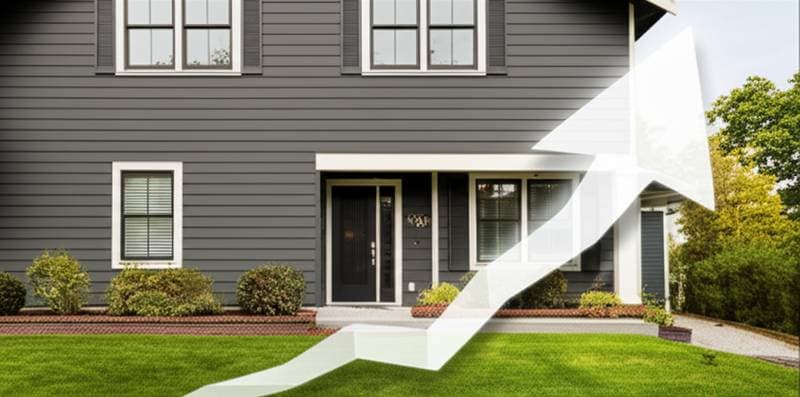
Why Recycled Siding Delivers Strong Returns in 2025
Homeowners increasingly seek materials that align environmental responsibility with economic advantages. Recycled siding emerges as a frontrunner in this landscape, promising a return on investment between 65 and 80 percent at resale. This projection stems from multiple factors, including reduced material costs, enhanced energy performance, and growing buyer preference for sustainable features.
In 2025, market data indicates that homes with eco-friendly upgrades command premium prices. Recycled siding, derived from post-consumer plastics, metals, or fibers, lowers upfront expenses by 20 to 30 percent compared to virgin materials. Beyond savings, it contributes to better insulation, potentially cutting heating and cooling bills by up to 15 percent annually. These elements combine to elevate property appeal in a competitive real estate environment.
Buyers in 2025 prioritize verifiable sustainability. Certifications from organizations like the Green Building Council add credibility, signaling quality and durability. As a result, properties featuring recycled siding often sell faster and at higher values, making this upgrade a calculated step toward long-term equity growth.
Key Benefits of Recycled Siding
Recycled siding provides advantages that extend beyond initial installation. Environmentally, it reduces landfill waste and conserves natural resources, appealing to conscious consumers. Financially, the material's longevity minimizes replacement needs, while tax incentives for green improvements further enhance returns.
Energy efficiency stands out as a core benefit. Many recycled options incorporate advanced insulation properties, helping maintain comfortable indoor temperatures year-round. This efficiency not only lowers utility costs but also aligns with rising energy standards in building codes.
Aesthetic versatility adds another layer of value. Available in various textures and colors, recycled siding mimics traditional materials like wood or vinyl without compromising on style. Homeowners achieve modern, timeless exteriors that boost curb appeal and support higher resale offers.
Selecting the Right Recycled Siding
Choosing recycled siding requires attention to design principles that harmonize with your home's architecture. These guidelines ensure the material enhances rather than detracts from overall appearance, maximizing its investment potential.
- Massing: Maintain clean horizontal lines. Align window headers and trim edges to create a cohesive facade.
- Contrast: Pair mid-tone body colors with lighter trim accents for improved visual clarity.
- Proportion: Opt for wider lap or panel lines on smaller homes to provide a grounded appearance. Use narrower reveals to balance taller structures.
- Color Depth: Select matte finishes, which convey higher quality than glossy alternatives. Choose undertones that complement roof and hardscape elements.
- Entry Emphasis: Frame the door thoughtfully, incorporate balanced lighting, and display clear house numbers to complete the design.
Before committing, photograph your home from street level. Samples may appear vibrant up close, but they can seem subdued from afar, influencing the final outcome.
Verify product certifications during selection. Look for low-VOC formulations and recyclable content exceeding 50 percent. Consult local suppliers for options suited to your climate, ensuring resistance to moisture, UV exposure, and temperature fluctuations.
Professional Installation for Optimal Performance
Installation plays a pivotal role in realizing recycled siding's full benefits. Engage certified professionals familiar with sustainable materials to avoid common pitfalls like improper sealing or alignment issues.
Proper techniques include securing panels with corrosion-resistant fasteners and applying weatherproof barriers. This approach prevents water infiltration and extends material life. In 2025, skilled installers incorporate smart features, such as integrated venting, to enhance airflow and reduce moisture buildup.
Budget for this step wisely. While costs range from $8 to $15 per square foot, professional work safeguards warranties and boosts resale documentation. Inspectors often favor homes with evident quality craftsmanship, contributing to smoother appraisals.
Maintenance and Longevity Strategies
With appropriate care, recycled siding matches or surpasses the durability of conventional products, often lasting 25 to 50 years based on environmental exposure and finish quality.
Follow this maintenance checklist to preserve performance:
- Clean surfaces yearly using mild detergent and a soft brush.
- Examine caulk joints and fasteners biennially for wear.
- Refresh fiber cement or wood elements with paint or sealant every eight to twelve years.
- Check metal panels annually for corrosion at cut edges.
Steer clear of pressure washers, as they risk damaging finishes or forcing moisture behind panels. Adhere strictly to manufacturer guidelines to uphold color retention and texture warranties.
Incorporate maintenance into your ownership routine. Keep detailed records of inspections and repairs; these documents strengthen warranty claims and reassure potential buyers during resale.
Regional factors influence upkeep needs. In humid areas, prioritize mold-resistant sealants. Arid climates may require UV-protective coatings to prevent fading. Tailoring care to local conditions ensures sustained value.
Realizing Financial and Environmental Gains
Recycled siding integrates sustainability with tangible economic outcomes. It diminishes resource consumption, bolsters insulation, and often surpasses traditional materials in visual impact. For those aiming to grow home equity while minimizing ecological footprint, the path forward involves certified selections, expert installation, and consistent maintenance.
In 2025, this choice positions homeowners ahead of market shifts toward green living. Resale advantages compound over time, with early adopters reporting quicker sales and negotiated premiums. Embrace these practices to secure both a resilient home and a profitable investment.