
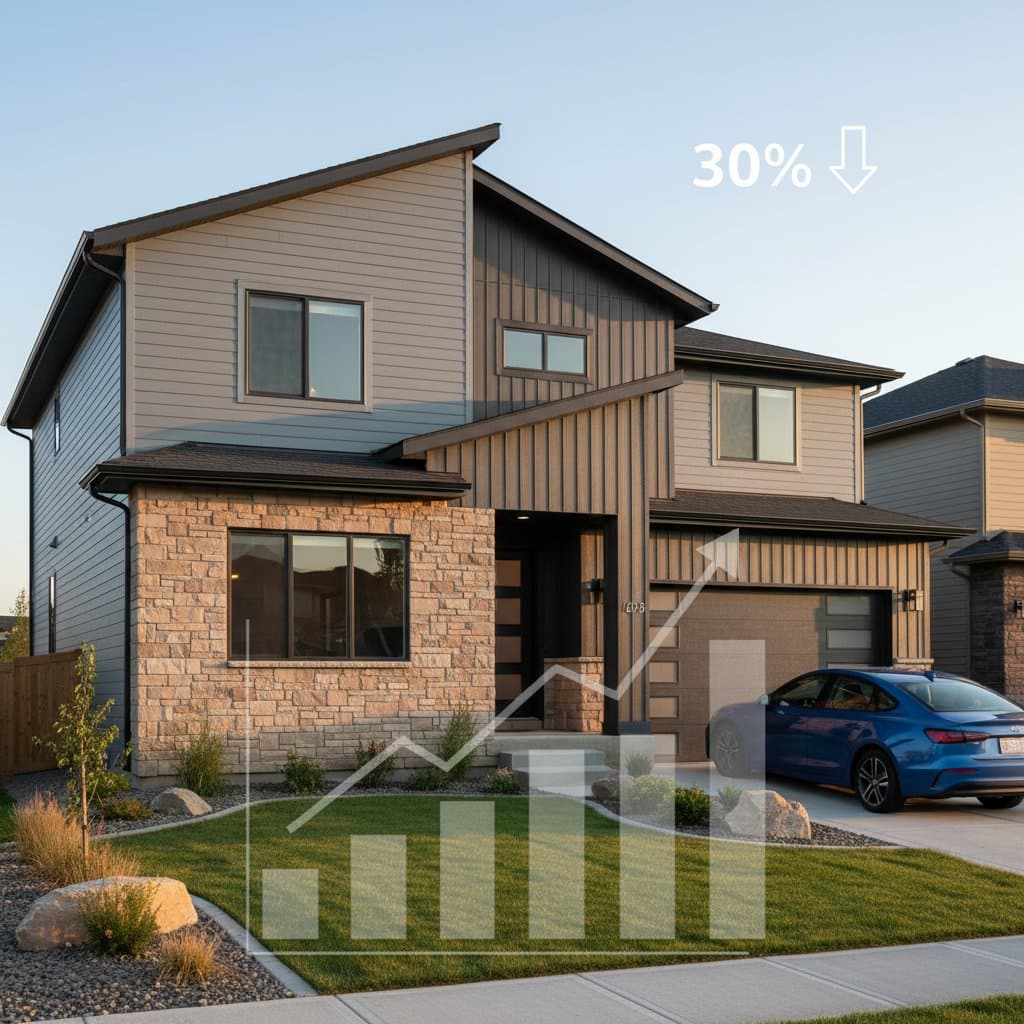
Understanding Mixed Siding
Mixed siding involves combining different materials on a home's exterior to create a cohesive and visually appealing facade. This technique allows homeowners to select options that suit specific areas of the house, such as using durable stone on lower sections and lighter vinyl on upper levels. The result balances functionality with design, often leading to significant cost reductions compared to uniform material installations.
Traditional full replacements demand high upfront investments and uniform material choices, which can strain budgets. Mixed siding breaks this pattern by targeting high-wear zones with premium materials and cost-effective alternatives elsewhere. This method not only cuts expenses but also extends the overall lifespan of the exterior.
Key Benefits of Mixed Siding
Cost Efficiency
One primary advantage lies in the potential to lower replacement costs by approximately one third. For instance, a full vinyl siding project might cost $15,000 for a standard two-story home, while mixing it with fiber cement on foundational areas reduces that to around $10,000. Labor savings arise from varying installation techniques suited to each material, avoiding the need for extensive uniform preparation.
Material prices fluctuate, but strategic combinations leverage affordable options like engineered wood accents alongside pricier stone facades. Homeowners avoid overhauling the entire surface, focusing resources where impact matters most. This targeted approach ensures savings without compromising quality.
Enhanced Durability and Aesthetics
Different materials offer unique strengths, such as fiber cement's resistance to moisture and insects, paired with vinyl's low maintenance. Stone veneer adds weight-bearing stability to base levels, protecting against ground-level damage. Together, these elements create a resilient exterior that withstands weather variations better than single-material setups.
Aesthetically, mixed siding introduces texture and color variety, elevating curb appeal. Imagine a craftsman-style home with horizontal lap siding in soft gray above and rugged stone below; this contrast draws the eye and boosts property value. The design flexibility accommodates architectural styles from modern to traditional, ensuring broad appeal.
Selecting Material Combinations
Choosing the right mix starts with evaluating your home's architecture and climate. Vinyl siding provides versatility and ease of installation, making it ideal for large surfaces. Pair it with fiber cement for accents around windows and doors, where added strength prevents warping.
Stone or brick veneer works well for foundational elements, offering timeless elegance and protection from pests. For coastal areas, incorporate weather-resistant options like aluminum trim to combat salt exposure. Always consider color coordination; neutral bases allow bolder accents to shine without overwhelming the design.
- Assess exposure levels: Use hardy materials like fiber cement in high-moisture zones.
- Balance budgets: Allocate premium choices to visible, high-impact areas.
- Test compatibility: Ensure materials expand and contract at similar rates to avoid cracks.
Planning Your Mixed Siding Project
Site Evaluation
Begin by inspecting your current exterior for damage, such as rot or peeling. Measure square footage per section to estimate material needs accurately. Consult local building codes, as some areas restrict certain combinations for fire safety or structural reasons.
Professional assessments reveal underlying issues like insulation gaps, which influence material choices. Factor in your home's orientation; south-facing walls may require UV-resistant options to prevent fading. This thorough review prevents costly surprises during installation.
Budgeting and Cost Drivers
Outline expenses including materials, labor, and permits. Materials account for 40 to 60 percent of total costs, with labor varying by complexity. Mixed projects often qualify for energy-efficient rebates if incorporating insulated variants.
Track variables like regional pricing; urban areas see higher labor rates. Set aside 10 to 15 percent for contingencies, such as unexpected substrate repairs. Tools like cost calculators help refine estimates, ensuring the project stays within financial limits.
Installation Best Practices
Hire certified contractors experienced in multi-material work to ensure seamless transitions. Proper underlayment and flashing prevent water infiltration at joints. Installation sequences matter; start with base materials like stone before adding upper layers.
Maintenance routines extend longevity: Clean vinyl annually and seal stone every few years. Regular inspections catch minor issues early, preserving the investment. With care, mixed siding systems last 25 to 50 years, far outpacing single-material alternatives.
Maximizing Long-Term Value
Investing in mixed siding delivers returns through reduced upkeep and increased home equity. The customized approach aligns with sustainable practices by minimizing material waste. Homeowners enjoy a refreshed exterior that enhances daily living and resale potential.
Consider future-proofing with adaptable designs that allow easy updates. This forward-thinking strategy turns a practical upgrade into a lasting asset. Ultimately, the blend of savings, style, and strength positions mixed siding as a wise choice for discerning homeowners.