
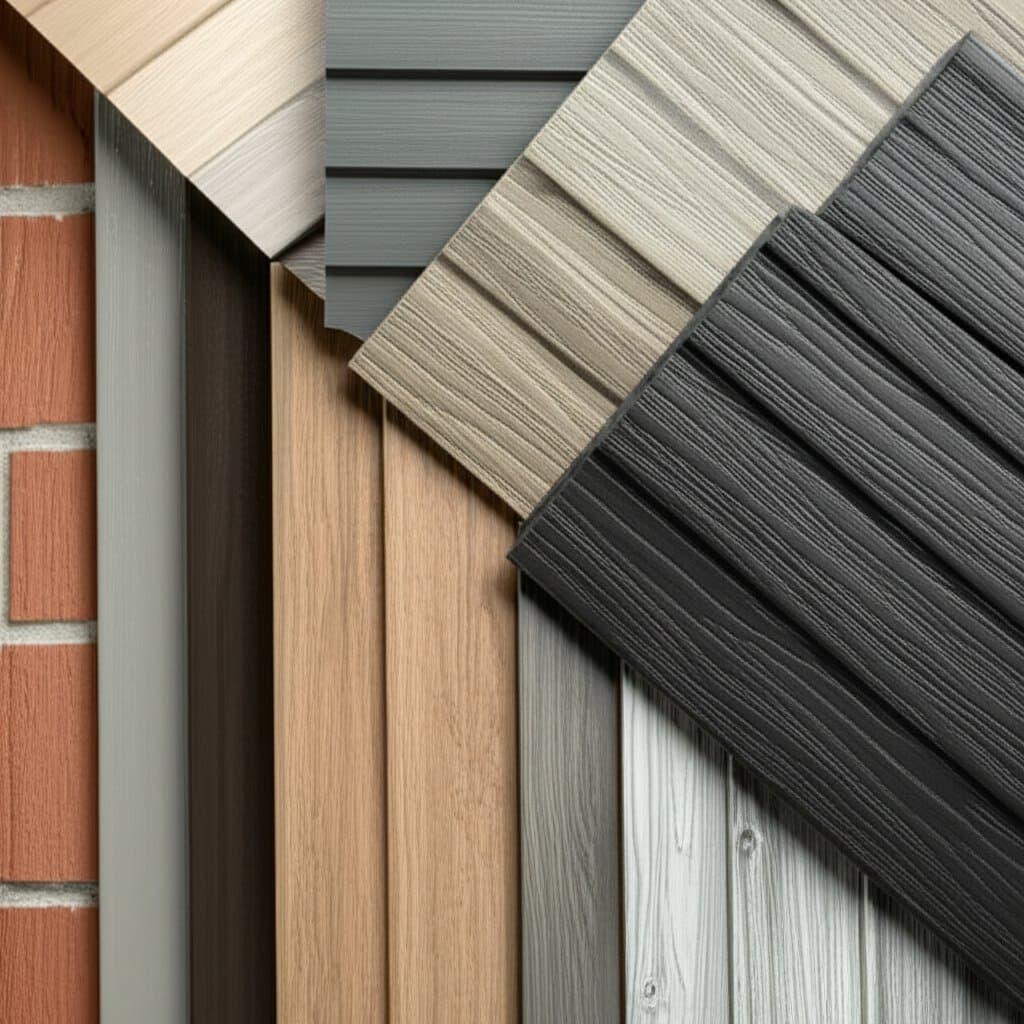
Selecting Siding That Matches Your Climate
Homeowners encounter diverse weather challenges, from intense heat and humidity to freezing temperatures and high winds. Proper siding selection protects the structure, maintains interior comfort, and enhances curb appeal. This guide details material options, cost considerations, and maintenance practices tailored to different regions, empowering informed decisions that balance performance and affordability.
Understanding Project Costs and Planning
Defining the Project Scope
A full siding replacement typically involves removing existing materials, inspecting and repairing underlying sheathing, applying a weather-resistant barrier or insulation, installing new siding panels or boards, adding trim, and applying sealants. Complementary tasks, such as updating gutters or soffits, ensure effective water management around the home.
Cost Estimates Per Square Foot
Installed vinyl siding generally costs between 6 and 10 dollars per square foot. Fiber cement options range from 9 to 15 dollars per square foot. Engineered wood falls in the 10 to 16 dollar range per square foot. Premium choices like natural wood or composite metal systems can reach 18 to 20 dollars per square foot. These estimates cover labor, fasteners, and basic weather barriers but exclude extensive structural repairs.
Factors Influencing Total Expenses
Heavier materials, such as fiber cement, demand additional handling equipment and specialized tools, increasing labor costs. Multi-story homes require scaffolding or lifts for upper levels, adding to the budget. Intricate trim work, including decorative elements and window surrounds, extends installation time. Removing and disposing of old materials, particularly hazardous ones like asbestos, incurs extra fees. Site access issues, such as narrow lots or landscaping barriers, can slow progress and raise expenses.
Project Timeline Expectations
Most siding projects span two to four weeks from initial bidding to final inspection. Custom orders for specific colors or profiles may delay material delivery. Adverse weather, including high winds or heavy rain, often postpones exterior work like cutting or painting.
Navigating Permits and Inspections
Local building codes usually mandate permits for siding projects that alter structural elements or insulation. Inspectors verify proper attachment methods, flashing installation, and barrier continuity. Verify all requirements prior to demolition to prevent costly rework or penalties.
Strategies for Budget Management
Obtain detailed bids that itemize materials, labor, and disposal costs. Establish fixed unit prices for potential sheathing repairs upfront. Allocate a 10 percent contingency fund for unexpected issues like rot or framing damage. Avoid on-site changes, such as color switches, which may result in restocking charges.
Weighing Repairs Against Full Replacement
For damage affecting less than 20 percent of the siding, targeted repairs may suffice to address rot, warping, or fading. Exceeding that threshold often makes complete replacement more economical, as it improves labor efficiency and ensures a uniform appearance.
Evaluating Durability and Performance
Regional Weather Challenges
In cold, moist areas, freeze-thaw cycles infiltrate joints, necessitating robust backer flashing for protection. Hot, arid regions expose materials to intense UV radiation, requiring UV-stabilized finishes and ventilated systems to prevent degradation. Coastal environments accelerate corrosion from salt exposure, demanding stainless steel fasteners and non-corrosive trim. High-wind areas call for siding tested to withstand speeds of 120 miles per hour or greater.
Material Performance Across Key Metrics
Fiber cement offers non-combustible properties, strong moisture resistance, and moderate impact durability. Engineered wood resists fungi and insects through treatments but relies on intact coatings for longevity. Vinyl siding performs well in many conditions but melts under direct heat, making it unsuitable for wildfire-prone zones. Metal siding excels in fire resistance and impact strength, though thermal breaks help mitigate condensation risks.
Essential Installation for Longevity
Apply a seamless weather-resistive barrier across all exterior walls. Install metal or PVC flashings at horizontal joints to direct water away. Maintain a one-inch clearance between the siding bottom edge and ground level to avoid moisture wicking. Incorporate soffit vents and rainscreen gaps to promote drying airflow.
Ongoing Maintenance Practices
Perform annual cleaning with mild detergent and a soft brush to remove dirt buildup. Every three to five years, examine caulk joints and refresh finishes on engineered wood or fiber cement. Following severe weather events, inspect for loosened panels and secure them promptly to block water intrusion.
Understanding Warranties
Manufacturers typically provide 25- to 50-year coverage for material defects, with labor warranties limited to one or two years. Adhering to specified installation and care guidelines preserves eligibility. Retain all documentation, including receipts, color specifications, and batch details, for warranty claims.
Preparing for a Successful Siding Project
1. Establish Project Objectives
Determine whether the work involves a complete overhaul or localized fixes. Consider energy efficiency targets, such as integrating exterior insulation or reflective barriers.
2. Vet Potential Contractors
Solicit at least three detailed bids from licensed, insured professionals. Examine references for projects involving comparable materials and building heights.
3. Review Material Samples
Examine actual samples to assess true colors and textures under natural light. Request a small-scale mockup on-site to evaluate shadow patterns and hardware visibility.
4. Prepare the Site
Remove nearby vegetation, relocate outdoor items, and ensure electrical access for tools. Shield windows and roofing with protective coverings to minimize damage from debris.
5. Monitor Progress Daily
Coordinate schedules for start times and end-of-day cleanups. Conduct evening walkthroughs to confirm alignment of panels and proper flashing. Insist on photographic documentation of each completed section prior to enclosing.
Maximizing the Benefits of New Siding
Once installed, observe the siding's behavior through changing seasons. Address early signs of movement, fading, or protrusion to safeguard against moisture problems. Maintain clear gutters, redirect irrigation from walls, and adhere to scheduled refinishing. These habits extend the siding's lifespan, reduce energy costs, and preserve your home's aesthetic and structural integrity.