
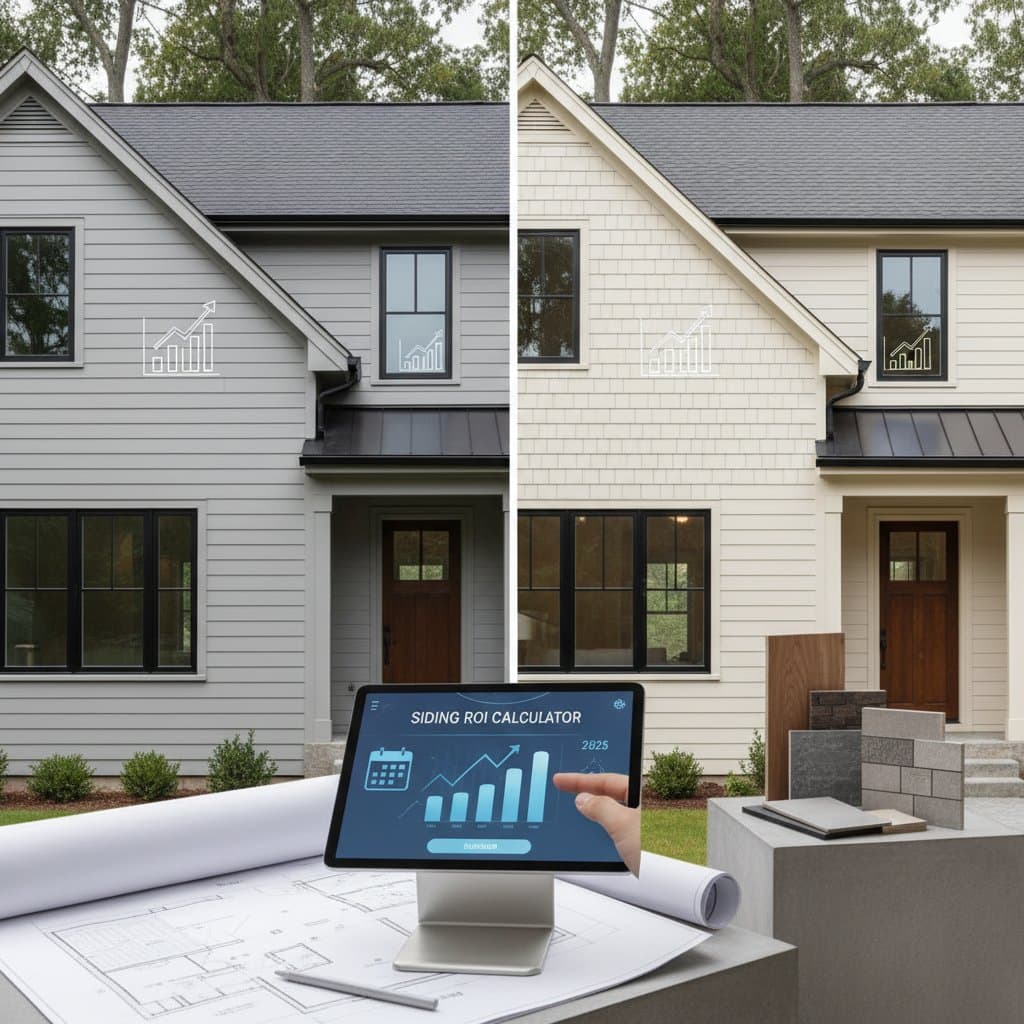
Enhance Your Home's Market Appeal: Optimal Siding Choices for 2025 Resale
Installing new siding extends beyond aesthetic upgrades. It shields the home's framework, enhances thermal efficiency, and demonstrates diligent upkeep to potential purchasers. For optimal return on investment, select siding that harmonizes visual charm, affordability, and resilience. Materials that retain vibrancy, repel water, and demand minimal maintenance yield the strongest financial gains.
Comprehensive Cost and Planning Overview
Project Scope Essentials
A complete siding overhaul encompasses stripping away existing coverings, examining underlying sheathing for integrity, applying a protective moisture shield, fitting fresh panels or planks, and completing with trim and sealants. Targeted repairs work well if the substructure remains intact and new elements blend seamlessly with originals.
Pricing Ranges and Averages
- Vinyl siding: $5 to $9 per square foot, including installation
- Engineered wood: $7 to $12 per square foot
- Fiber cement: $8 to $14 per square foot
- Wood lap or shingle: $9 to $15 per square foot
- Metal panels: $10 to $18 per square foot
Factors such as building elevation, design intricacies, and site accessibility influence these estimates.
Key Factors Influencing Expenses
- Demolition and waste removal: Dense materials increase hauling fees.
- Trim and accents: Elaborate elements like broad corner posts or ornamental moldings extend labor time.
- Equipment needs: Rentals for scaffolding or lifts prove necessary on elevated or confined properties.
- Protective enhancements: Upgraded barriers and flashings fortify the building envelope against elements.
- Local variables: Wage differences and regulatory approvals vary by region.
Project Timeline Breakdown
- Quoting and material choices: 1 to 2 weeks
- Permitting and scheduling: 1 week
- Demolition and surface preparation: 2 to 4 days
- Core installation phase: 5 to 10 days, scaled to home size and conditions
- Final review and refinements: 1 to 2 days
Regulatory and Site Preparation Requirements
Local authorities typically mandate permits and checks to verify weatherproofing standards. Ensure unobstructed access encircling the structure. Relocate automobiles, prune overhanging plants, and confine animals prior to crew arrival.
Strategies for Budget Management and Adjustments
Request itemized rates for potential rot remediation or substrate repairs to sidestep conflicts over unforeseen issues. Clarify responsibility for additional waste management or supply setbacks.
Evaluating Repairs Against Full Replacement
Opt for spot fixes if damage affects under 25 percent of the area and matching proves feasible. Proceed with total renewal when finishes blister, sections distort, or the protective layer degrades.
Durability and Performance Essentials
Regional Weather Considerations
In areas with high humidity or proximity to water, prioritize water-repellent properties; vinyl and fiber cement excel here. For arid, fire-vulnerable landscapes, non-flammable selections such as fiber cement or metal safeguard best. In zones prone to hail, opt for reinforced panels certified for impact resistance.
Resistance Profiles Across Materials
- Vinyl: Withstands dampness effectively but softens under extreme temperatures.
- Fiber cement: Offers fire resistance and dimensional stability.
- Engineered wood: Engineered for humidity tolerance, yet requires sealing at edges.
- Metal: Provides complete fire protection and superior impact endurance.
- Wood: Necessitates fire-inhibiting treatments to meet building codes in restricted locales.
Critical Installation Features for Longevity
Install flashings meticulously at openings like windows, doors, and eaves to divert moisture. Design the rear drainage system to promote air circulation. Incorporate permeable barriers and seal trim connections from behind.
Maintenance Routines and Cleaning Protocols
- Yearly upkeep: Hose off accumulated dirt and allergens.
- Biennial or triennial deep clean: Use gentle soap and a soft-bristle brush.
- Post-weather event review: Examine seals, edges, and fixings for compromise.
Steer clear of high-pressure rinsing on vinyl or coated fiber cement, as it risks infiltrating moisture and invalidating guarantees.
Understanding Warranties and Upkeep Duties
Manufacturers often guarantee core materials for 25 to 50 years, with surface protections lasting less. Retain receipts and maintenance logs. Faulty application or unapproved finishes can nullify coverage, so engage qualified professionals.
Detailed Preparation Guide for Your Siding Project
Establishing Objectives and Boundaries
Identify primary aims, whether market enhancement, insulation gains, or stylistic refresh. Document these focuses prior to soliciting proposals. Factor in complementary features like louvers, accents, and drainage systems to prevent scope creep.
Vetting Contractors and Analyzing Quotes
Solicit a minimum of three detailed estimates covering demolition, fitting, supplies, finishes, and site restoration. Verify credentials, coverage, and specialized training in siding. Seek client testimonials and inspect recent installations.
Material Evaluation and Confirmations
Examine life-size specimens under natural light, as hues shift with illumination. Test a sample section to assess profile and seams. Finalize selections for shade and finish in documented form before fabrication.
Pre-Work Site Setup and Expectations
Clear surrounding walkways. Safeguard indoor valuables from potential vibrations. Anticipate auditory disturbances from dismantling and fabrication. Provide electrical outlets and storage zones for supplies.
Milestone Inspections for Excellence
Post-demolition, assess sheathing for decay or pests. Ensure barrier layers align properly. Monitor alignment during assembly across multiple courses. Conclude with a thorough scan for seals and coatings.
Sustaining and Leveraging Your Siding Investment
Vigilant care keeps siding in prime condition. Seasonal rinsing averts residue that fosters dampness. Direct irrigation away from exteriors and maintain clearance from foliage for ventilation. Address sealant or coating needs without delay.
For selling, compile records of specifications, assurances, and workmanship. Such evidence reassures buyers of quality craftsmanship. Pristine, robust siding conveys reliability and ease of care, frequently securing premium bids.
Fiber cement and engineered wood frequently top resale returns through their blend of attractiveness, endurance, and reasonable care demands. Vinyl ranks highly for economical choices with extensive palette options. Metal suits contemporary tastes emphasizing enduring strength.