
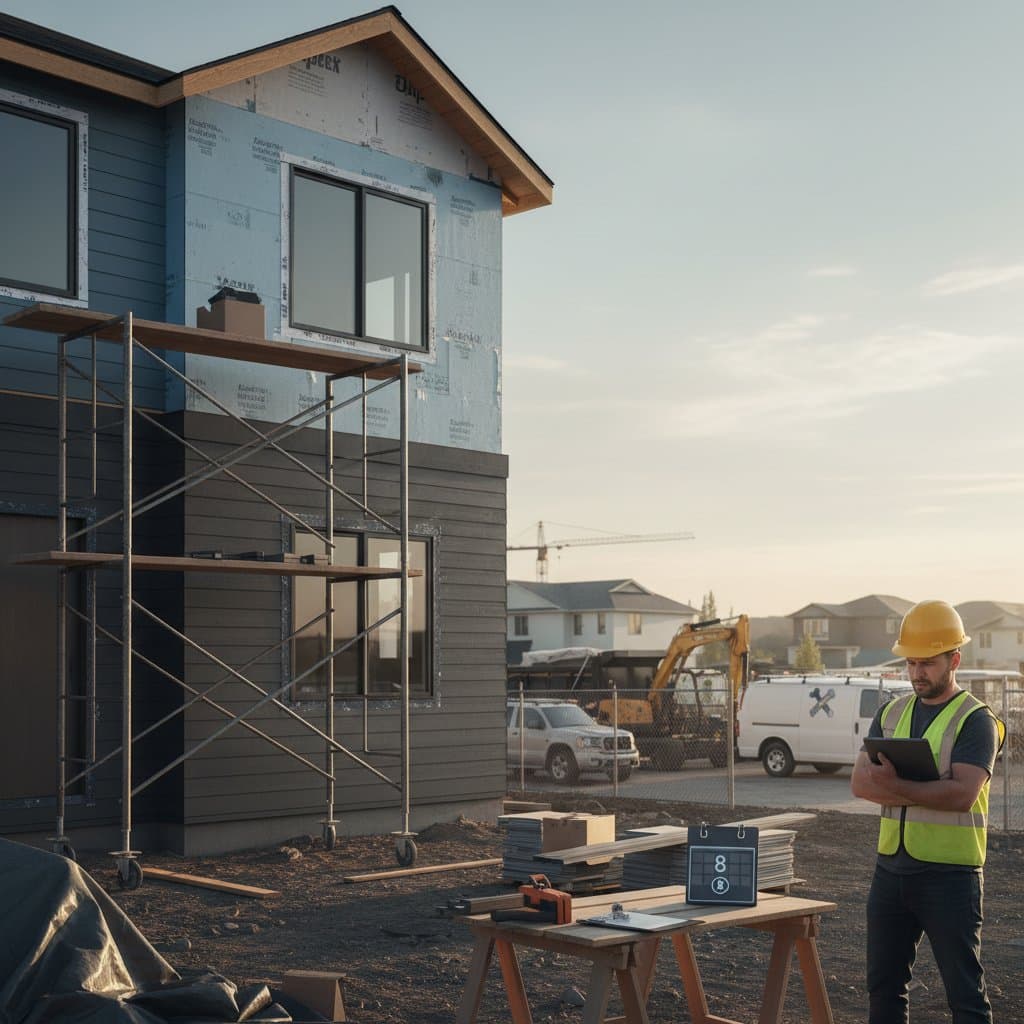
Understanding the Eight-Week Timeline for Siding Replacements in 2025
Homeowners initiating siding replacement projects encounter timelines that have doubled in recent years. Tasks once completed in four weeks now extend to eight or more. Persistent material shortages, shortages of qualified laborers, and lengthening permit approval processes fuel this expansion. Awareness of these challenges enables better timeline forecasting and averts unexpected expenses during execution.
Supply chain disruptions trace back to global manufacturing slowdowns and increased demand for home improvement materials. Labor gaps arise from a construction workforce strained by retirements and competition from other sectors. Permitting delays stem from municipal backlogs, where applications wait weeks for review. Together, these elements compound, turning routine projects into extended commitments. Homeowners who anticipate these hurdles position themselves for smoother experiences.
Navigating Siding Styles and Materials in a Constrained Market
Selecting siding requires weighing visual appeal against current availability, especially when supplies remain tight. Homeowners must research options that align with their home's architecture and local climate. This approach ensures selections enhance curb appeal while supporting practical performance over decades.
Key Siding Profiles
- Lap siding adapts to diverse residential styles, from traditional to transitional, and allows for simple section replacements without full panel disruption.
- Board and batten profiles evoke rustic farmhouse charm or sleek modern lines, demanding careful spacing to avoid installation errors that could compromise weather resistance.
- Shingle panels deliver varied textures mimicking natural stone or wood, though their overlapping design prolongs labor-intensive fitting on uneven surfaces.
Vertical profiles gain popularity for contemporary homes, offering a bold vertical emphasis that accelerates visual height. Horizontal options dominate suburban settings, providing broad coverage with minimal seams. Contractors recommend profiles based on wall orientation to optimize material use and reduce waste.
Material Breakdown
Each siding material presents unique benefits and drawbacks, influencing both lead times and overall project suitability. Consider regional weather patterns, such as heavy rain or intense sun, when evaluating options.
| Material | Advantages | Disadvantages | Average Lead Time |
|---|---|---|---|
| Vinyl | Budget-friendly, lightweight for easy handling, low-maintenance cleaning | Susceptible to warping in extreme heat, limited options for spot repairs | 2-4 weeks |
| Fiber Cement | Superior fire resistance, fade-resistant colors, lifespan exceeding 50 years | Heavier load requires reinforced framing, dust from cutting necessitates masks and ventilation | 4-8 weeks |
| Engineered Wood | Mimics genuine wood grain for authentic aesthetics, lighter than solid alternatives | Demands periodic resealing to prevent moisture ingress, premium pricing reflects craftsmanship | 6-10 weeks |
| Metal | Exceptional strength against impacts, pest-resistant composition, fully recyclable at end of life | Prone to denting sounds from hail or wind, repainting involves specialized primers | 3-6 weeks |
Vinyl suits mild climates where cost savings matter most, while fiber cement excels in fire-prone areas. Engineered wood appeals to those seeking natural tones without the upkeep of real lumber. Metal provides industrial durability for coastal regions battered by salt air.
Trim and Accent Essentials
Trim components often bottleneck projects more than main siding sheets. Custom elements like corner boards, soffit vents, and drip edge flashing produce in smaller batches, extending wait times. Savvy contractors place trim orders concurrently with primary materials to align deliveries.
Homeowners should specify trim styles early, opting for pre-primed options to shave days off painting phases. Matching accents, such as window surrounds or fascia boards, unify the design but require precise measurements to avoid shortages. Inquire about millwork lead times during initial consultations to integrate them into the overall schedule.
Step-by-Step Guide to Preparing Your Siding Project
Effective preparation streamlines the process, reducing on-site adjustments that inflate costs. Begin months ahead to navigate 2025's constraints. This structured approach minimizes disruptions to daily routines and ensures compliance with local codes.
-
Clarify project scope. Assess whether a full tear-off exposes foundational issues like water damage or if an overlay suffices for minor updates. Full removals average 20 percent higher costs but yield superior insulation and structural integrity.
-
Vet potential contractors. Solicit detailed bids from three or more firms, scrutinizing licenses, liability insurance, and recent project portfolios. Probe their familiarity with your material choice and capacity to handle concurrent jobs without stretching timelines.
-
Test material samples on-site. Position samples against your home's exterior under varying light to gauge true color rendition and texture integration. Factor in how sunlight alters appearances throughout the day for lasting satisfaction.
-
Optimize site conditions. Evacuate debris from perimeter areas, shift outdoor items to storage, and secure pathways for heavy machinery. If fencing or landscaping impedes access, plan temporary removals to facilitate efficient crew movement.
-
Establish payment and milestone protocols. Link disbursements to verifiable stages, such as demolition completion, underlayment installation, and partial wall finishing. Retain a 10 to 15 percent holdback until final inspections confirm quality and code adherence.
-
Secure permits proactively. Submit applications with architectural drawings and material specs weeks before contractor mobilization. Track status through municipal portals to preempt review extensions that could idle crews.
Budgeting forms a critical prelude, with totals hinging on home size and material. A 2,000-square-foot residence might total $20,000 to $40,000. Allocate buffers for fluctuations in labor rates, which rise 5 to 10 percent annually.
Managing Expectations During Extended Siding Installations
Eight-week timelines define the standard for siding work in 2025, reshaping homeowner planning. Embrace flexibility to accommodate weather interruptions or supply hiccups. These durations, while longer, allow for meticulous craftsmanship that bolsters home value and energy efficiency.
Daily life adjustments prove essential, such as arranging alternative living spaces if interior access limits arise. Temporary coverings protect exposed areas during pauses, preventing moisture damage. Regular site visits foster transparency, enabling early resolution of minor issues.
Contractors benefit from homeowner patience, often prioritizing communicative clients for faster resolutions. Document all agreements in writing, including contingency clauses for delays beyond control. This framework preserves relationships and upholds project momentum.
Securing Enduring Benefits from Your 2025 Siding Investment
Strategic foresight transforms extended timelines into opportunities for superior outcomes. Early material locking and vendor coordination curb cost escalations. The result stands as a fortified, visually striking exterior that withstands environmental stresses for generations.
Homeowners report heightened satisfaction when projects conclude without rushed corners. Enhanced insulation from modern sidings lowers utility bills by up to 15 percent. Consult local experts to tailor choices, ensuring alignment with neighborhood standards and personal aspirations.