
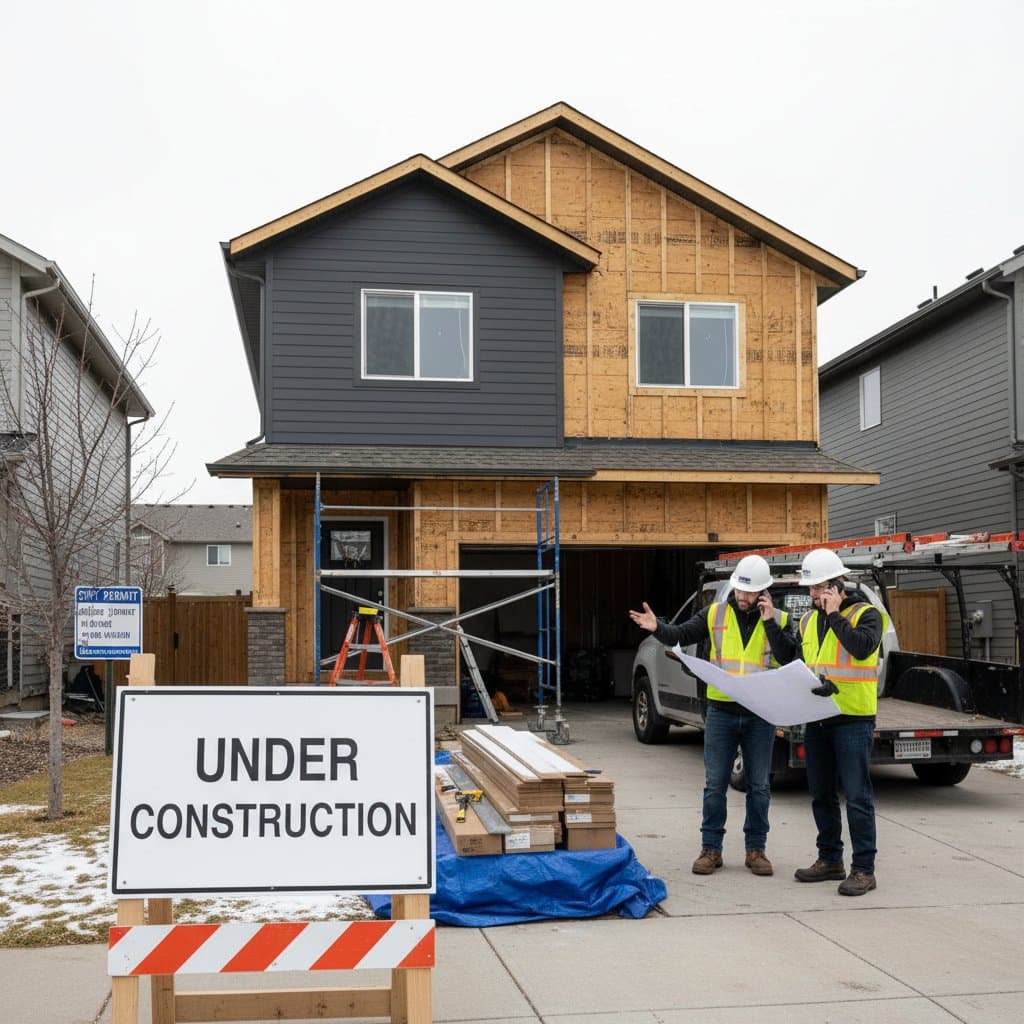
Why Siding Replacements Face 8-Week Delays in 2025
Homeowners embarking on siding replacement projects encounter extended timelines that extend far beyond past norms. In 2025, an average wait of eight weeks from contract signing to the start of installation has emerged as standard across many regions. This delay stems from a combination of supply chain constraints, workforce shortages, unpredictable weather patterns, and more rigorous permitting processes. By examining these elements closely, individuals can better anticipate challenges and adjust their planning to minimize disruptions.
Material shortages represent a primary culprit. Global disruptions in manufacturing, coupled with heightened demand for sustainable options, have led to backorders on popular siding types like vinyl and fiber cement. Contractors often face waits of four to six weeks just to secure inventory, pushing overall project starts further out. Homeowners who select less common materials may experience even longer delays, as suppliers prioritize high-volume orders.
Labor shortages compound the issue. The construction industry grapples with a deficit of skilled installers, exacerbated by retirements and competition from other sectors. In high-demand areas, certified crews book schedules months in advance, leaving gaps that delay new jobs. Regional variations play a role; urban centers suffer more acutely than rural locales due to concentrated project volumes.
Weather and permitting add further layers of complexity. Seasonal storms or unseasonal rains halt preparations, while updated building codes require additional inspections and approvals. Municipal offices, overwhelmed by application volumes, process permits in two to four weeks, extending the pre-installation phase. Proactive homeowners can mitigate these by submitting paperwork early and monitoring local forecast trends.
Selecting Siding Styles and Materials
Choosing the right siding involves balancing aesthetics, durability, and practicality. Profiles define the panel shapes, influencing both visual appeal and installation efficiency. Understanding core options equips homeowners to make informed decisions that align with their home's architecture and regional climate.
Key Siding Profiles and Their Applications
Siding profiles determine the overall facade rhythm and texture. The primary categories include:
- Lap siding (horizontal planks): This classic choice suits a wide array of homes, from bungalows to contemporaries, offering straightforward installation and broad color availability.
- Board and batten (vertical boards with battens): Ideal for rustic or transitional styles, it provides vertical emphasis that draws the eye upward on taller structures.
- Shake or shingle (textured panels): These mimic natural wood for added depth, best reserved for gable ends or focal areas to enhance curb appeal without overwhelming the design.
- Panel systems (large flat sheets): Suited to minimalist modern homes, they deliver seamless lines and faster coverage, though they demand precise framing.
Designers recommend integrating one dominant profile with subtle accents to create cohesion. For instance, lap siding on main walls paired with shake accents on dormers prevents monotony while streamlining labor.
Material Choices and Considerations
Each material carries unique benefits and trade-offs, affecting longevity, cost, and upkeep. The table below outlines essential details to guide selections.
| Material | Strengths | Limitations | Maintenance Requirements |
|---|---|---|---|
| Vinyl | Affordable, diverse colors, simple to clean | Susceptible to cracking in freezes, moderate fire resistance | Annual washing with mild soap |
| Fiber cement | Excellent resistance to fire, pests, and decay | Heavier weight requires sturdy framing, periodic repainting needed | Repaint every 10 to 15 years |
| Engineered wood | Authentic wood grain appearance, pre-finished options | Requires meticulous sealing to prevent warping | Annual joint inspections and resealing |
| Metal (steel or aluminum) | Exceptional strength, eco-friendly recyclability | Prone to denting from impacts, elevated initial expense | Biannual rinsing to remove debris |
| Natural wood | Timeless warmth, sourced renewably | Demands frequent protection against moisture and UV | Restain or repaint every 3 to 5 years |
Budget-conscious projects often favor vinyl for its value, while premium builds lean toward fiber cement for superior performance in harsh environments.
Guidelines for Combining Materials and Profiles
Effective facades limit combinations to two materials: one primary for broad coverage and one for accents. Ensure transitions occur at natural breaks, such as corners or soffits, using compatible trim to bridge differences. Align horizontal lines across wall sections to maintain uniformity; inconsistencies in overlap or reveal widths disrupt harmony and may void warranties.
Avoid over-layering textures, as this complicates installation and increases costs. For example, pairing smooth lap with rough shake works well if the shake covers no more than 20 percent of the surface area.
Integrating Trim and Accents
Trim elements frame openings and edges, enhancing definition without dominating the palette. Opt for trim widths that proportionately match panel sizes: broader for traditional homes to add shadow lines, slimmer for sleek modern aesthetics. Subtle color variations, like off-white against a gray body, foster elegance; bold contrasts risk visual clutter.
Coordinate with adjacent features, such as roof shingles or entry doors, to unify the exterior. Professional installers often recommend PVC or aluminum trim for low-maintenance durability that complements various siding types.
Practical Design Examples
Tailored combinations adapt to home styles and site conditions:
- Compact ranch-style home: Neutral-toned vinyl lap siding with crisp white trim and minimal fascia details for a clean, timeless profile.
- Classic two-story colonial: Horizontal fiber cement lap on body walls, complemented by shake in gable peaks and shadowed accent trim for depth.
- Contemporary urban infill: Seamless metal panels with concealed fasteners, softened by fiber cement accents around entries for balanced warmth.
These setups not only elevate aesthetics but also optimize installation timelines and ensure robust warranty coverage, typically spanning 25 to 50 years depending on materials.
Preparing for a Successful Siding Project
Thorough preparation transforms potential chaos into a streamlined process. Following a structured approach ensures accurate estimates, timely execution, and high-quality results.
1. Establish Project Objectives and Assess Needs
Begin by clarifying priorities, whether refreshing curb appeal with a new hue, boosting insulation for energy savings, or fortifying against severe weather. Conduct a detailed wall measurement, calculating square footage and identifying issues like underlying rot, water intrusion, or pest damage. Document these findings with photos to facilitate precise contractor assessments and bids.
2. Vet Contractors and Evaluate Proposals
Compile a shortlist of at least three licensed professionals with proven siding expertise. Request detailed written bids covering:
- Specific material brands, gauges, and profiles
- Comprehensive trim, flashing, and ventilation specifications
- Protocols for old siding removal, waste disposal, and substrate repairs
- Explicit warranty durations, coverage scopes, and projected timelines
Dismiss ambiguous estimates; insist on evidence of crew training, insurance, and portfolios of comparable completed projects. Compare not just prices but also value in terms of inclusions and contingencies.
3. Review Samples and Secure Approvals
Insist on tangible samples to evaluate textures, colors, and scale under natural light, as digital representations often mislead. For intricate designs, arrange for supplier-provided mockups to test combinations on-site. Finalize all selections and obtain written approvals prior to commitment, circumventing mid-project changes that trigger delays and fees.
4. Prepare the Site and Coordinate Logistics
Facilitate access by clearing pathways, relocating landscaping, and safeguarding valuables. Arrange utilities like electricity and water for crew use. Anticipate disruptions from noise, debris, and temporary scaffolding; typical workflows involve sequential wall sections, starting with demo, followed by repairs, insulation updates, and panel installation. Establish agreements on daily end-of-day cleanups, work hours, and communication protocols with the site lead.
5. Conduct Milestone Inspections
Monitor quality through systematic checks:
- Post-removal phase: Examine sheathing integrity, moisture barriers, and any necessary reinforcements.
- Pre-trim installation: Verify panel alignment, uniform overlaps, and adequate ventilation gaps.
- Final walkthrough: Collaborate with the supervisor to identify and document any imperfections, such as gaps or uneven finishes.
Withhold final payment until all corrections appear on a signed punch list, safeguarding your investment.
Navigating Delays and Achieving On-Time Results
The construction landscape demands flexibility, yet strategic actions empower homeowners to navigate hurdles effectively. Initiate planning six months ahead to buffer against backlogs, and commit to prompt decisions on designs to expedite material procurement. Some firms allow advance ordering, securing stock early provided specifications remain fixed, thus averting restocking penalties.
Clear, ongoing dialogue with your contractor fosters transparency on progress and adjustments. By embracing these practices, you not only adhere to timelines but also realize a durable, visually striking exterior that enhances property value and comfort for years ahead.