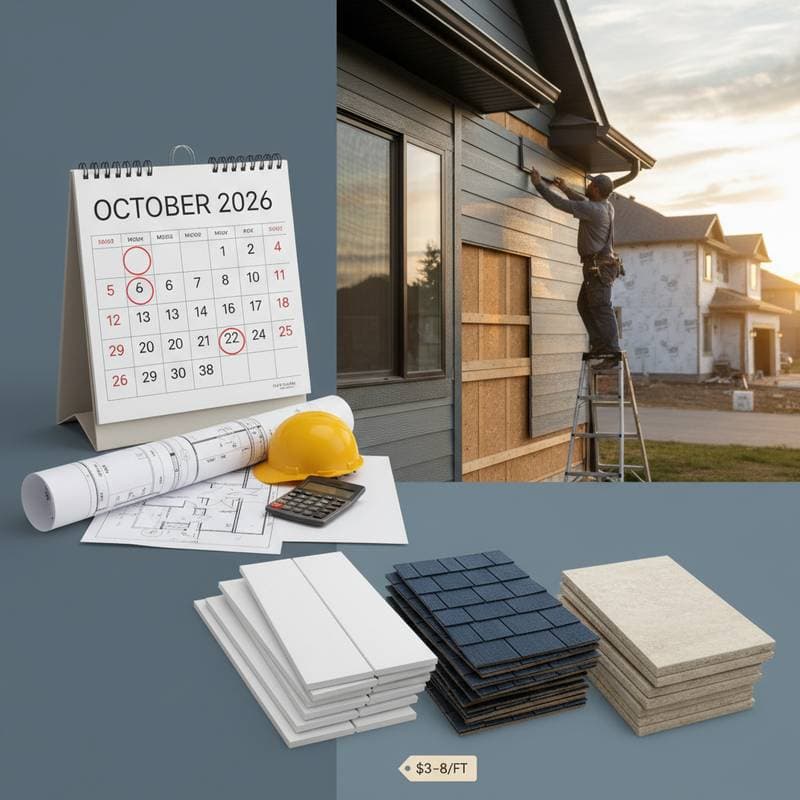
Lead Times Add $3-8 Per Foot to 2026 Siding Jobs
Prolonged lead times for siding materials in 2026 threaten renovation timelines and expenses.
By Brad Mallmann
6 min read
Loading...

Articles tagged with siding-replacement-timeline
Prolonged lead times for siding materials in 2026 threaten renovation timelines and expenses.

If your home received new siding around 2011, 2026 signals the start of its replacement phase. This comprehensive guide details the reasons for timely replacement, explores material options and costs, outlines project timelines, and provides strategies for selecting quality installations that enhance your home's exterior for years ahead.
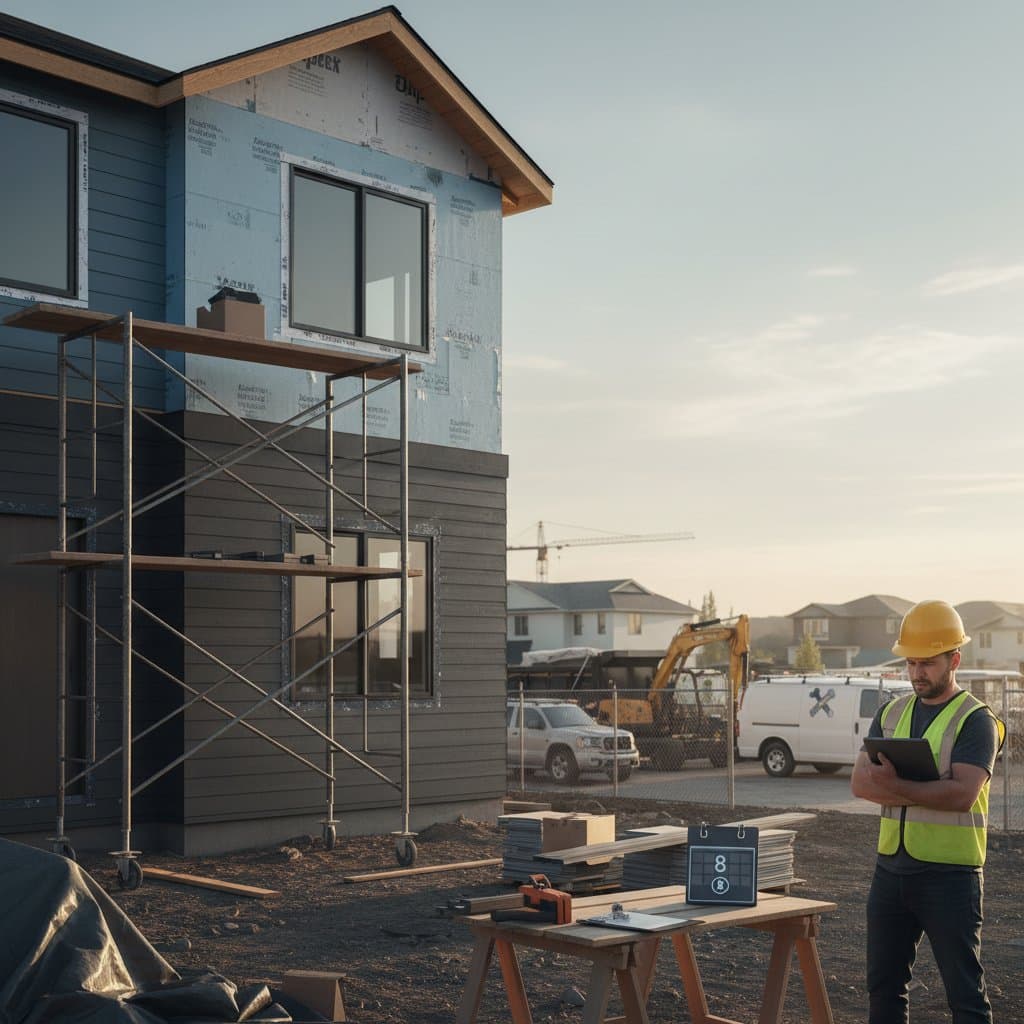
Siding replacements in 2025 typically span eight weeks, influenced by material shortages, skilled labor constraints, and permitting bottlenecks. Installation costs fall between $10 and $20 per square foot, with vinyl providing the swiftest turnaround and engineered wood the longest. Homeowners can control expenses, minimize disruptions, and attain resilient, aesthetically pleasing results through advance scheduling, detailed contracts, and consistent contractor updates.
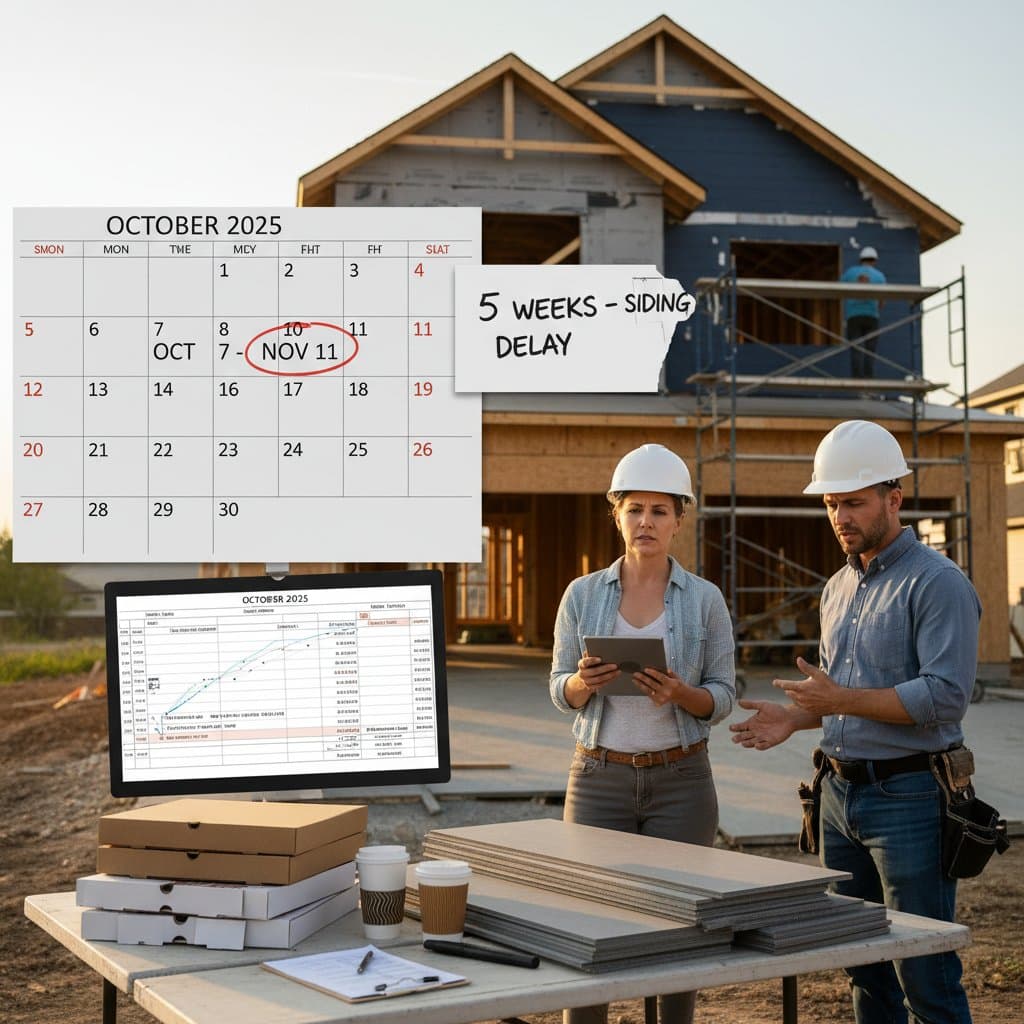
The ongoing labor shortage in 2025 is extending siding replacement timelines by as much as 5 weeks nationwide, inflating budgets and complicating schedules for homeowners.
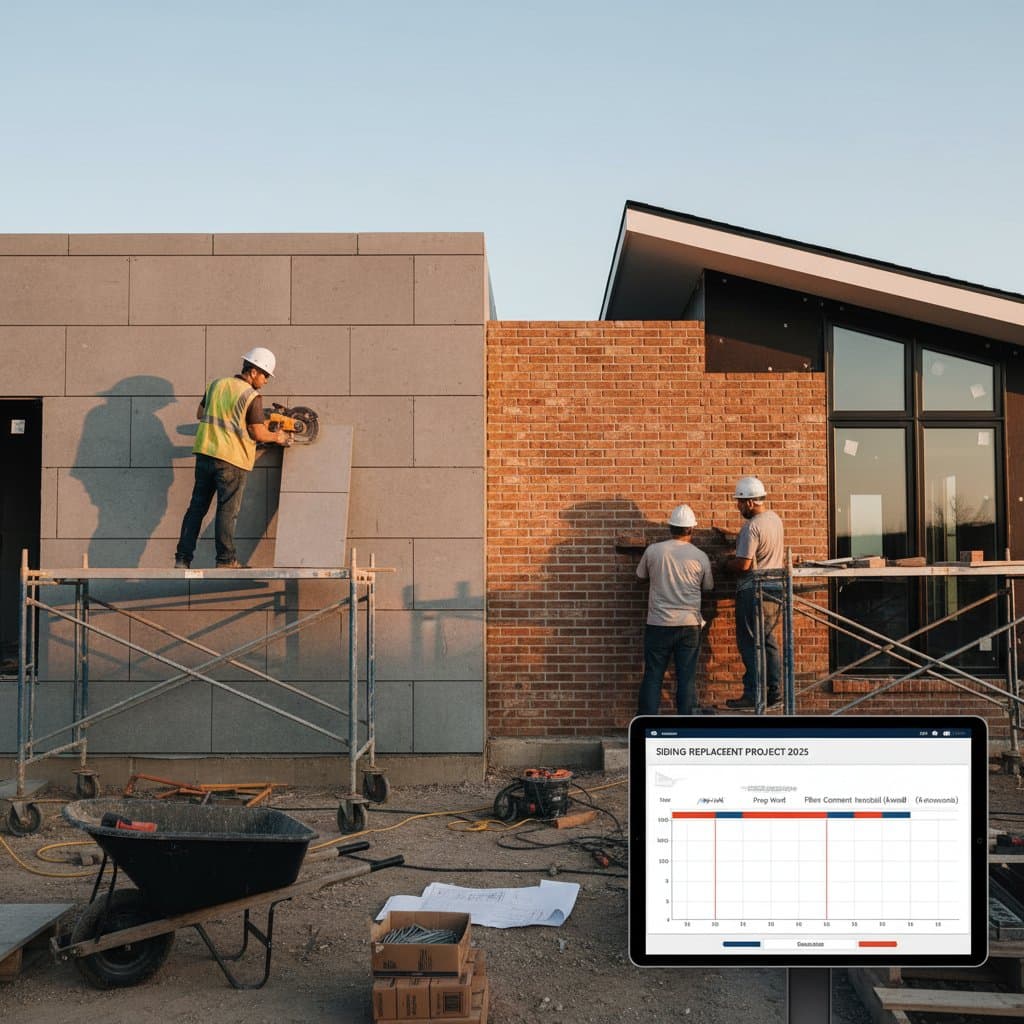
In 2025, certain siding materials like fiber cement and brick veneer demand extended installation periods due to preparation needs, precision work, and weather factors. This guide details how these choices impact costs and schedules, while offering strategies to streamline your home upgrade for optimal durability and efficiency.
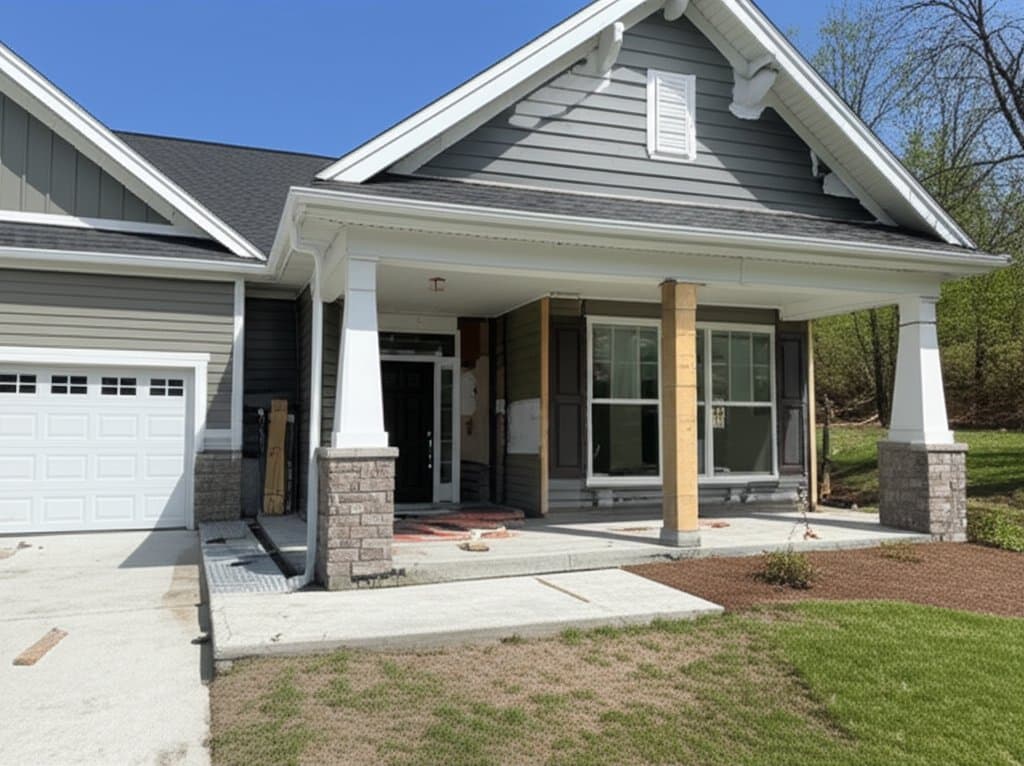
A severe shortage of siding contractors nationwide is delaying projects by up to eight weeks. This comprehensive guide covers the root causes, current pricing trends, material choices, installation best practices, and strategic planning advice to help homeowners secure timely bids, control costs, and achieve durable results for their 2025 exterior renovations.
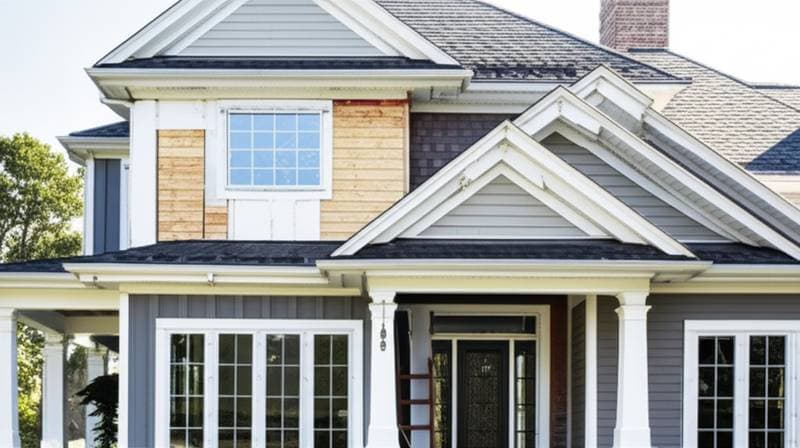
In 2025, a complete siding replacement generally requires eight weeks, encompassing consultation, permitting, material procurement, installation, and final inspections. Expenses differ based on material selection and project intricacy, with potential extensions from weather conditions, custom designs, or unforeseen structural problems. Knowledge of these phases enables homeowners to allocate budgets effectively, mitigate setbacks, and secure enduring aesthetic enhancements.