
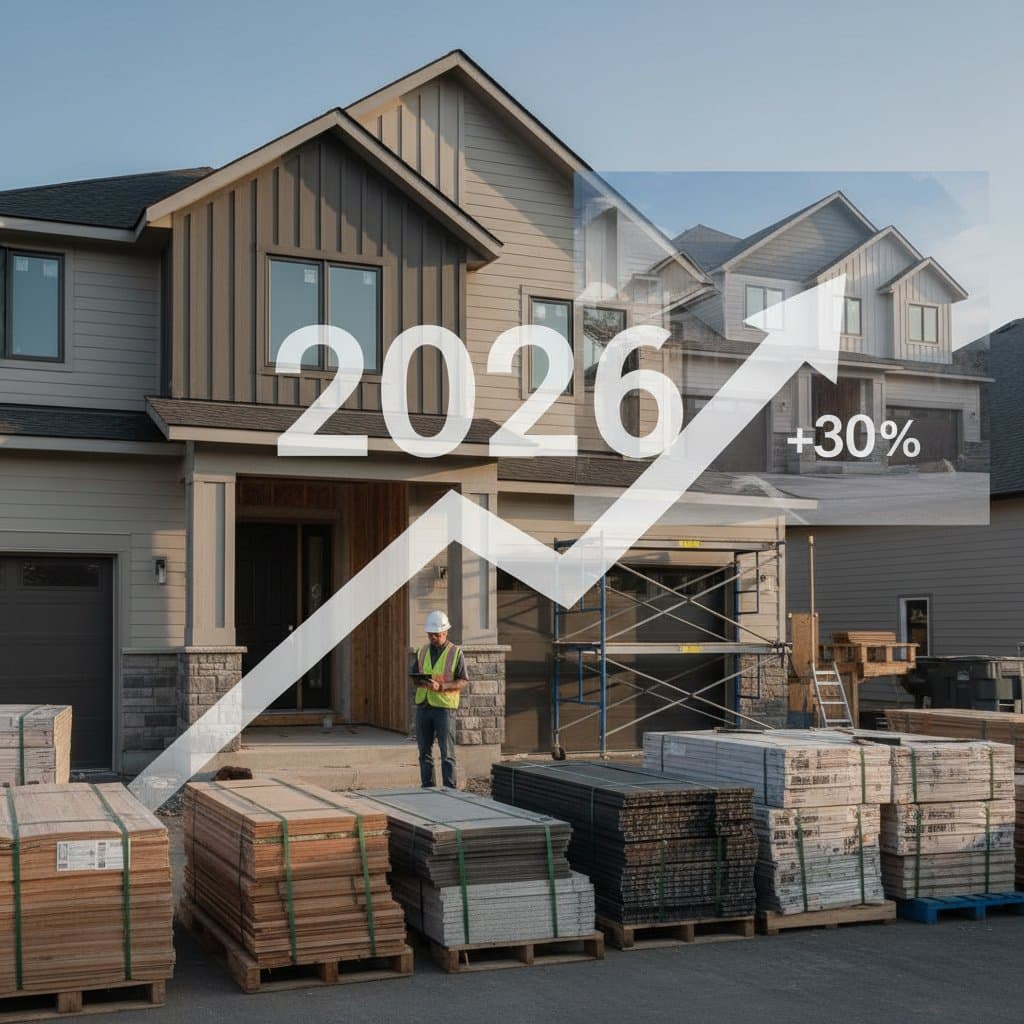
Siding Shortages Ahead: A 30% Price Increase Targets 2026
Homeowners preparing for exterior renovations encounter significant hurdles. Supply chain disruptions and escalating production expenses drive siding prices upward by approximately 30 percent. These shifts influence complete replacements as well as targeted repairs, altering choices related to materials, project schedules, and enduring value. Grasping the underlying causes enables effective budget allocation, bid evaluations, and deliberate decision-making.
Project Overview at a Glance
- Project Scope: Complete siding replacement or localized repairs
- Expected Timeline: One to three weeks, influenced by site access and weather conditions
- Complexity Level: Moderate to high, demanding professional labor and precise equipment
- Cost Estimates: $9 to $17 per square foot for vinyl siding, $11 to $22 for fiber cement, $13 to $28 for engineered wood, and $18 to $35 for natural wood
Selecting Materials and Profiles
Material selection gains importance during price volatility. Various options present distinct advantages and drawbacks concerning strength, care requirements, and overall expenses over time.
| Material Type | Pros | Cons | Maintenance Requirements |
|---|---|---|---|
| Vinyl | Affordable pricing, extensive color variety, resistance to moisture | Susceptible to brittleness in cold weather, restricted repair methods | Annual cleaning with mild soap solution |
| Fiber Cement | Resistance to fire, consistent coloration, robust construction | Substantial weight, necessity for protective gear during fabrication | Repainting required every 10 to 15 years |
| Engineered Wood | Appealing aesthetic warmth, reduced weight compared to cement, straightforward cutting | Requires edge sealing to prevent degradation | Annual inspection of joints for integrity |
| Natural Wood | Timeless aesthetic appeal, sourced renewably | Demands intensive maintenance, vulnerability to pests | Restaining or repainting every five years |
Evaluating Fire and Moisture Performance
Fiber cement and engineered wood offer superior fire resistance compared to vinyl or natural wood alternatives. In regions with high humidity or proximity to coastlines, vinyl excels through minimal water uptake, though it risks deformation in extreme heat. Properties in wildfire-prone areas frequently opt for cement-based products to enhance safety, despite the elevated initial investment.
Blending Textures for Cost Efficiency and Style
Integrating multiple materials allows for expense management alongside enhanced visual interest. Consider applying fiber cement across primary surfaces paired with vinyl shake elements in gable sections; this approach reduces outlays while achieving a bespoke facade. Ensure seamless transitions using metal flashing or coordinated corner boards to prevent a disjointed appearance.
Practical Recommendation: Restrict combinations to two primary materials and a single trim shade. This strategy minimizes material waste and streamlines subsequent maintenance efforts.
Ensuring Installation Excellence and Mitigating Risks
Amid shortages, certain contractors may compromise on standards. Rigorous oversight safeguards aesthetics, structural integrity, and warranty validity.
Strategies to Avoid Leaks and Subsequent Repairs
- Install a seamless weather-resistive barrier beneath every siding layer.
- Apply flashing materials around windows, doors, and roof-to-wall junctions using compatible sealants.
- Incorporate a quarter-inch expansion gap at all joints to accommodate movement and facilitate drainage.
Identifying Frequent Installation Errors
- Inadequate Fastening Techniques: Excessively driven nails fracture vinyl panels, leading to premature failure.
- Deficient Joint Protection: Unsealed gaps in fiber cement permit water penetration and structural damage.
- Omission of Underlayment: Absence of housewrap results in moisture trapping, fostering mold growth and insulation degradation.
Preparation of the Site and Community Relations
Coordinate debris management prior to disassembly. Strategic placement of dumpsters and implementation of noise mitigation measures lessen disturbances to adjacent properties. Instruct crews to shield vegetation and employ light water sprays to suppress dust during material processing.
Practical Recommendation: Conduct daily site inspections throughout the installation phase. Verify appropriate fasteners, flashing applications, and panel alignments prior to affixing trim elements.
Choosing Contractors and Evaluating Proposals
The selection of a proficient installer outweighs the pursuit of the minimal bid. Experienced teams optimize material usage, curtail rework, and uphold warranty conditions.
Essential Scope Specifications
Prior to soliciting proposals, document these elements clearly:
- Specified brand and profile for siding materials
- Type of insulation or moisture barrier to incorporate
- Dimensions and hues for trim components
- Protocol for waste disposal
- Assignment of permitting duties
Analyzing Competitive Bids
Require each bidder to quote identical materials and project parameters. Examine labor charges per square foot and ascertain inclusion of legacy siding removal. Variations of two to three dollars per square foot typically indicate differences in expertise or operational costs rather than concealed markups.
Structured Payment Progression
Tie disbursements to tangible project advancements:
- Initial Deposit: 10 percent to reserve materials and initiate scheduling
- Interim Payment: Upon completion of 50 percent siding installation
- Final Settlement: Following comprehensive walkthrough and resolution of any deficiencies
Refrain from full payment until material delivery and conclusive evaluation occur.
Practical Recommendation: Mandate documented change orders for all modifications to the original scope. This practice prevents misunderstandings and billing conflicts.
Sustaining Your Siding Investment
Supply constraints and cost escalations present challenges, yet they prompt more strategic approaches. Property owners who assess options based on longevity and upkeep expenses achieve greater savings over decades compared to those prioritizing initial affordability. As prices climb, emphasis on design optimization, superior craftsmanship, and resilient materials defines true worth.
Simplify care routines, maintain thorough records of all installations, and perform yearly exterior assessments. Through consistent vigilance and prudent financial planning, your siding investment endures supply fluctuations, preserves aesthetic allure, and upholds property equity for years to come.