
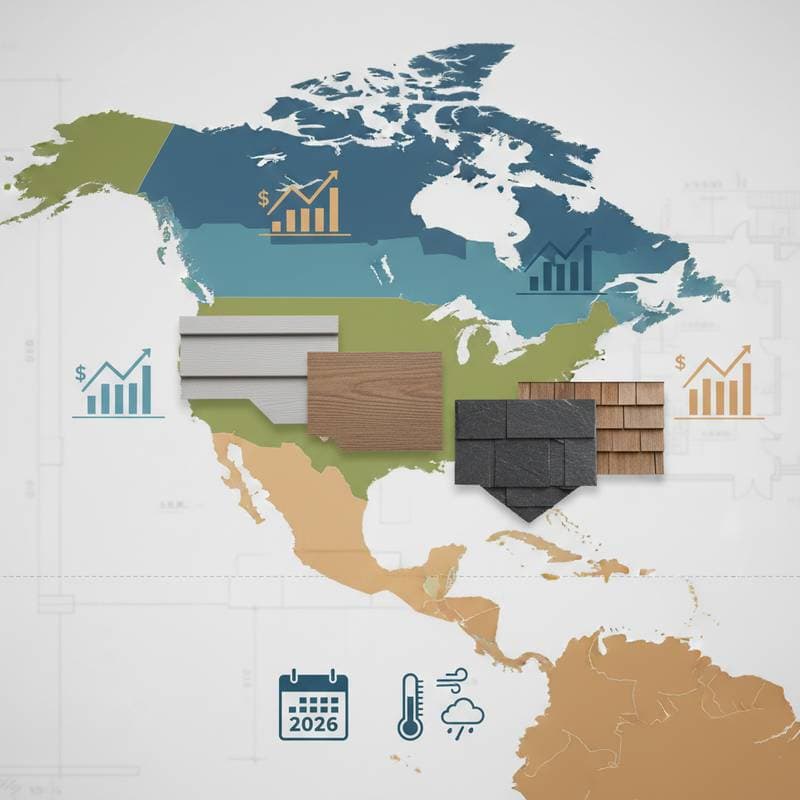
Understanding Climate Zones and Their Impact on Siding Costs
Siding costs vary widely based on climate zones, which dictate material selection, labor challenges, and installation complexities. In 2026, homeowners can expect prices between $6 and $15 per square foot, influenced by factors such as temperature extremes, humidity levels, and precipitation patterns. For instance, coastal areas with high moisture demand corrosion-resistant materials, increasing overall expenses, while arid regions prioritize fire-resistant options that may add to the budget.
Regional differences arise from these environmental demands. Northern zones with harsh winters require materials that withstand freeze-thaw cycles, often elevating labor costs due to specialized installation techniques. Southern humid areas focus on mold-resistant products, which can raise material prices by 20 percent or more. By identifying your climate zone—such as temperate, arid, tropical, or polar—you gain a clearer picture of potential costs and suitable choices, enabling better project planning.
Material Options for Different Climates
Selecting the right siding material depends on your local climate to ensure longevity and cost efficiency. Each option offers unique benefits and drawbacks, with prices reflecting durability in specific conditions. Below is a comparison of popular materials, including their typical costs per square foot in 2026.
| Material | Pros | Cons | Typical Cost per sq. ft. |
|---|---|---|---|
| Vinyl | Low cost, low upkeep | Brittle in cold climates | $6–$9 |
| Fiber Cement | Fire resistant, stable in humidity | Heavy, requires periodic painting | $9–$13 |
| Engineered Wood | Natural appearance, dimensional stability | Needs repainting every 5–10 years | $10–$14 |
| Metal | Strong, recyclable, excels in high winds | Prone to denting from hail | $8–$12 |
| Natural Wood | Classic aesthetic appeal | High maintenance in wet areas | $12–$18 |
Vinyl siding remains a budget-friendly choice for mild climates, where its lightweight nature simplifies installation. However, in colder zones, opt for insulated versions to prevent cracking during temperature drops. Fiber cement performs exceptionally in fire-prone or humid regions, such as the Southwest or Southeast, justifying its higher price through superior resistance to warping and insects.
Engineered wood strikes a balance for temperate areas, mimicking real wood without excessive upkeep, though regular sealing protects it from UV exposure in sunny locales. Metal siding suits windy coastal zones, offering recyclability and minimal expansion issues, but select thicker gauges to avoid damage from debris. Natural wood demands the most investment in maintenance-rich environments but delivers timeless curb appeal in dry, moderate climates.
Trim and Accent Selection by Climate
Trim and accents enhance siding's visual appeal while protecting vulnerable edges from weather exposure. Choose colors that provide subtle contrast—darker shades against light siding or vice versa—to create depth without overwhelming the facade. In wet or humid regions, such as the Pacific Northwest, metal or PVC trim resists rot and requires no painting, extending the system's lifespan.
Dry or cold zones, like the Midwest plains or northern states, benefit from fiber cement trim matched to the siding for uniform expansion and contraction rates. This prevents gaps that could allow moisture infiltration during freeze cycles. Always consider accents like shutters or soffits in corrosion-resistant materials for storm-vulnerable areas, ensuring they align with local building codes for wind resistance.
Step-by-Step Project Preparation
Thorough preparation minimizes surprises and controls costs during siding installation. Follow these steps to streamline the process and achieve professional results.
-
Define project goals. Assess whether the priority is reduced maintenance, improved energy efficiency through insulation, or a aesthetic refresh to boost home value. Consider your climate's demands, such as enhanced weatherproofing in rainy areas.
-
Obtain three detailed bids. Solicit quotes from licensed contractors, specifying material types, old siding removal extent, and warranty durations. Compare not only prices but also timelines and references from similar regional projects.
-
Request physical samples. Examine material swatches under natural daylight to evaluate color accuracy and texture. Test how they feel in your local conditions, like flexibility in cold weather.
-
Prepare the site for access. Remove obstacles such as vehicles from driveways, prune overhanging branches, and relocate pets or furniture to safe areas. This facilitates safe equipment movement and reduces delay risks.
-
Monitor installation progress. During work, inspect key elements like moisture barriers, proper flashing around windows, and secure fastening methods before full panel application. Address any issues immediately to avoid costly rework.
-
Conduct a final inspection. Check all seals at joints, corners, and utility penetrations for airtightness. Verify that caulking withstands your climate's moisture levels and that the finish aligns with agreed specifications.
Maintaining Your Siding for Long-Term Performance
Proper upkeep ensures your siding investment endures for 20 to 50 years, depending on material and climate. Schedule annual cleanings with gentle pressure washing to remove dirt and pollen, avoiding harsh chemicals that could degrade surfaces. In regions with heavy pollen or salt air, inspect quarterly for early signs of buildup.
Keep detailed records of maintenance schedules, painting cycles, and warranty documents in a accessible file. For repairs, address minor issues like loose nails promptly to prevent water entry. In high-wind or storm-prone areas, perform seasonal walk-arounds to secure panels and reinforce seals, preserving both appearance and structural integrity.