
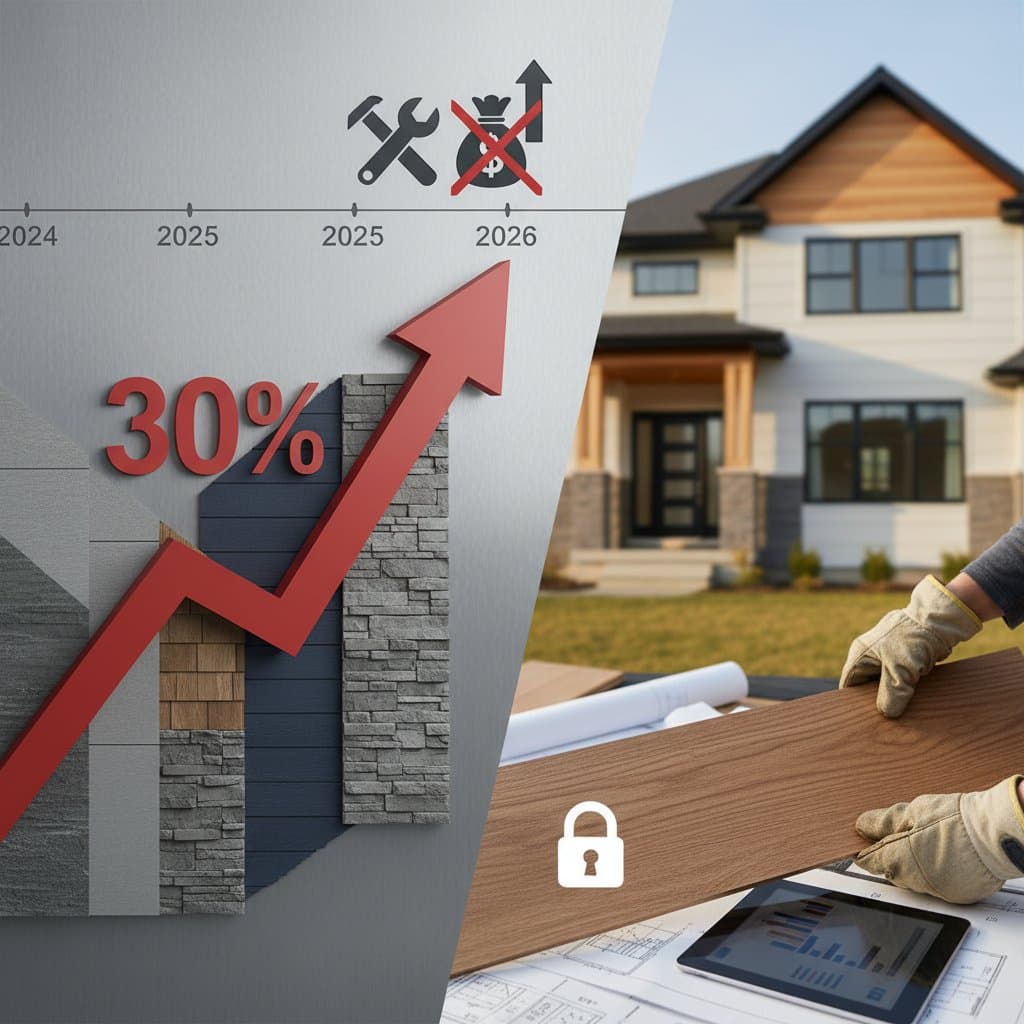
Anticipate the 2026 Siding Shortage: A Projected 30 Percent Price Increase
Homeowners preparing for exterior updates must navigate an emerging hurdle. Supplies of key siding materials continue to dwindle, signaling substantial cost escalations in the near future. Forecasts from industry analysts indicate an average 30 percent rise in prices for vinyl, fiber cement, engineered wood, and metal options by 2026. These changes influence not only renovation expenses but also how properties appraise in competitive markets. By examining the underlying factors, price trends, and strategic planning methods, individuals can safeguard their investments and maintain project timelines effectively.
Selecting Materials and Profiles Wisely
Limited availability demands adaptability in choosing siding types to avoid delays and excess spending. Different materials offer distinct advantages alongside specific upkeep requirements. A direct comparison of attributes and expenses reveals essential compromises for informed decisions.
| Material Type | Strengths | Limitations | Durability Rating | Maintenance Level |
|---|---|---|---|---|
| Vinyl | Cost-effective, minimal upkeep, extensive color options | Prone to warping in extreme heat, reduced resistance to impacts | 20–30 years | Annual washing |
| Fiber Cement | Resistant to fire and moisture, sharp aesthetic appeal | Substantial weight, requires intensive labor | 30–50 years | Repainting every 10–15 years |
| Engineered Wood | Authentic appearance, less heavy than fiber cement | Requires ongoing protective treatments | 25–40 years | Sealing and inspection every 2 years |
| Metal (Steel or Aluminum) | Exceptional longevity, impervious to insects | Susceptible to dents, fewer profile varieties | 40–60 years | Annual washing and fastener checks |
| Composite Panels | Uniform surface, robust warranties | Elevated initial investment | 30–50 years | Gentle cleaning twice yearly |
Fire and Moisture Resistance Factors
Fiber cement and metal sidings excel in preventing ignition and comply with regulations in fire-prone wildland areas. Engineered wood incorporates resin additives to enhance water resistance, though regular sealing remains essential. Vinyl may soften under intense heat but typically ceases burning once the source recedes.
Achieving Balanced Textures
Combining horizontal, vertical, and shingle styles introduces visual depth, yet excessive variations can overwhelm the facade. Limit accents to a single feature, like a gable end or entryway, while maintaining uniformity elsewhere. Such restraint conveys deliberate design and elevates curb appeal.
Key Recommendations for Material Choices
- Select no more than two materials to enhance marketability upon resale.
- Verify compliance with local building codes prior to specifying custom profiles.
- Emphasize fire and moisture resilience in regions susceptible to environmental hazards.
Ensuring High-Quality Installation and Mitigating Risks
Scarcities often pressure timelines, resulting in hasty work or inexperienced teams. Adhering to precise installation protocols secures the building envelope against water damage, service calls, and invalidated guarantees.
Essential Envelope Protection Measures
Apply a water-resistive barrier with fully taped seams prior to cladding attachment. Incorporate flashing around all windows, doors, and horizontal seams to direct moisture away. Establish unobstructed drainage behind the siding using required weep channels. Select fasteners resistant to corrosion that align with the chosen material specifications.
Frequent Installation Pitfalls
- Nailing Errors: Nails driven too deeply provoke buckling in vinyl or fractures in fiber cement.
- Omitted Flashing: Unprotected joints permit water penetration, fostering decay and coating degradation.
- Misaligned Joints: Excessive gaps beyond manufacturer tolerances produce noticeable imperfections in alignment.
- Neglected Expansion Gaps: Failure to account for thermal shifts causes distortion or audible creaking.
Preparing the Site and Addressing Neighbors
Shield nearby plants and install barriers to contain dust from cutting or sanding activities. Coordinate deliveries to reduce obstructions on driveways or access paths. Inform adjacent residents in advance about anticipated noise and restoration efforts.
Sound installation practices deliver enduring benefits by curbing ongoing repair needs. A sealed envelope further optimizes energy efficiency, bolstering the home's overall valuation.
Practical Steps for Installation Oversight
- Insist on photographic documentation of underlayment and flashing prior to covering.
- Confirm that installers hold certifications for the designated product brands.
- Incorporate provisions for site cleanup and waste removal in the formal agreement.
Choosing Contractors and Evaluating Bids
Reliable professionals prove indispensable during material constraints, as they handle procurement delays and minimize material waste to preserve budgets.
Comprehensive Scope Outline
- Specify material type, texture, and color selections.
- Detail water-resistive barrier and flashing products or approved alternatives.
- Outline trim elements and corner finishing approaches.
- Define fastener types and their corrosion resistance levels.
- Include strategies for waste management and permitting obligations.
Analyzing Bid Proposals
Request breakdowns that delineate costs for materials, labor, demolition, and disposal separately. This granularity enables fair evaluations across proposals. Steer clear of vague total figures that obscure potential surcharges, such as those for shipping or extended hours.
Structured Payment Milestones
- Initial Deposit: 10 to 20 percent upon contract execution.
- Material Receipt: 40 percent following safe delivery and quality verification.
- Project Midway: 25 percent after completing and reviewing half the installation.
- Final Completion: Balance due post-inspection and resolution of any deficiencies.
Essential Contractor Vetting Tips
- Obtain evidence of liability insurance and contactable client references from recent jobs.
- Ensure materials are ordered promptly upon receiving the deposit.
- Withhold final payment until all corrective actions receive approval.
Securing Long-Term Value Amid Rising Costs
Escalating siding expenses present a persistent challenge, yet strategic decisions mitigate their impact. Prioritize elements that contribute to sustained performance and appeal over mere upfront savings. Investments in resilient materials, cohesive aesthetics, and professional execution withstand market fluctuations and enhance property equity over time.