Why Fiber Cement Survives Hail When Vinyl Fails
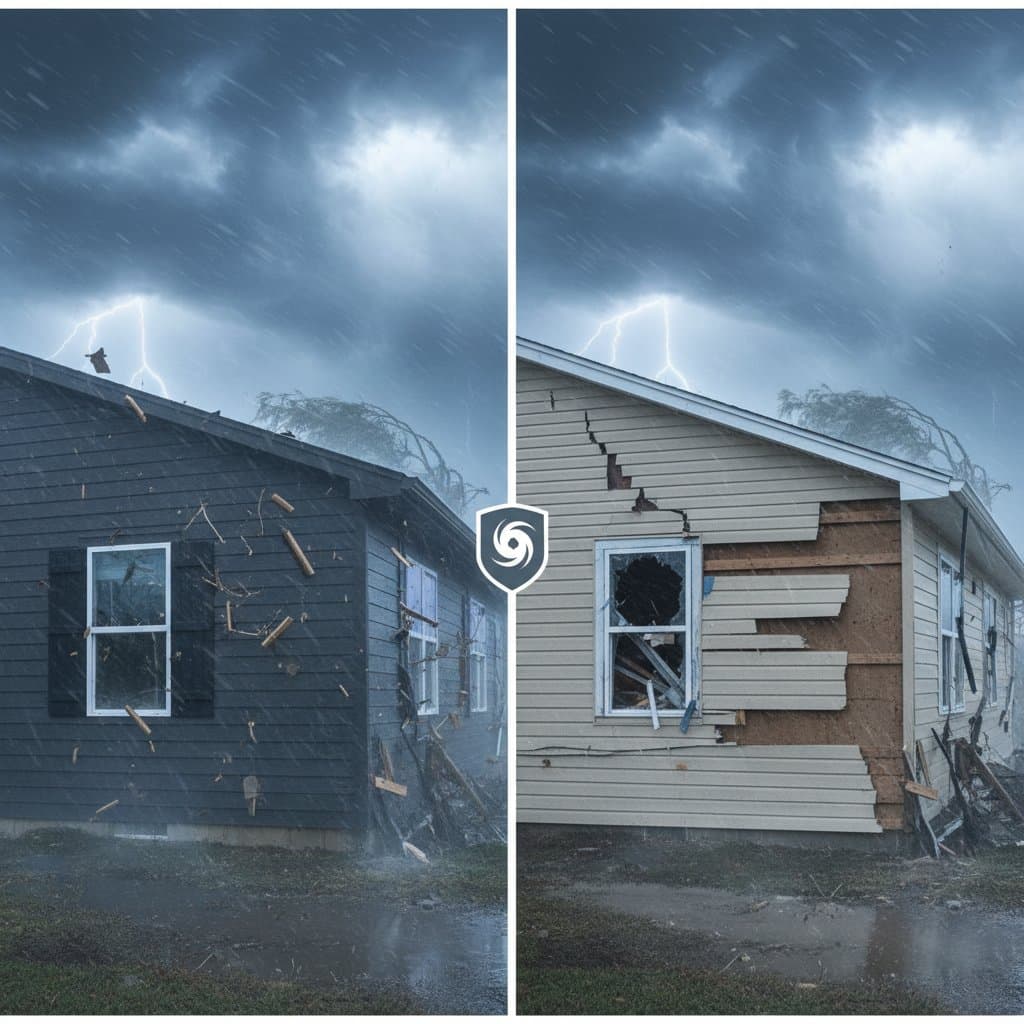
Hailstorms test siding materials severely.
Loading...
Showing articles 73 - 84 of 183
Hailstorms test siding materials severely.
Selecting the ideal siding involves matching your local climate with durable, cost-effective options. This comprehensive guide covers material choices, installation costs, regional performance factors, and essential maintenance strategies to ensure your home remains protected, energy-efficient, and visually appealing for years.
Fiber cement and vinyl siding present distinct trade-offs over 15 years, from initial installation to ongoing care. Vinyl offers quicker setup and lower entry costs, while fiber cement excels in weather resistance and fire safety. Factoring in repairs and repaints reveals balanced expenses, guided by your local climate and home goals.
Select siding that withstands regional weather challenges while enhancing energy efficiency and home value. This 2025 guide details material comparisons, installation tips, maintenance strategies, and contractor advice for fiber cement, vinyl, metal, and more to achieve enduring curb appeal.
Vinyl siding emerges as the more affordable choice over 15 years due to its low maintenance requirements, whereas fiber cement provides exceptional durability and fire resistance for a premium price. This comprehensive analysis examines installation expenses, ongoing care, climate adaptability, and aesthetic options to help homeowners make an informed decision on long-term exterior investments.
Selecting siding aligned with your local climate elevates home value significantly in 2025. This comprehensive guide evaluates materials, costs, and profiles ranging from vinyl to fiber cement, alongside planning strategies, maintenance protocols, and return on investment analysis. Understand how local weather patterns, aesthetic design, and strategic budgeting transform exterior renovations into enduring financial assets.
In regions prone to wildfires, fire-rated siding provides essential protection and can lead to significant reductions in insurance premiums. This comprehensive guide details material options like fiber cement and metal, associated costs, installation processes, and maintenance advice to ensure long-term durability and compliance with building codes, ultimately offering homeowners enhanced security and financial benefits.
In 2025, extreme weather from coastal humidity to alpine freezes requires siding that integrates advanced materials with precise installation. This comprehensive guide details cost-effective options, climate-specific recommendations, and preparation steps to safeguard your home against environmental challenges while enhancing its visual and functional value.
Mixed siding leads 2025 housing trends through strategic material blends that deliver personalized aesthetics, robust durability, and strong value. Pairing options like fiber cement, vinyl, stone, or metal introduces visual interest at a reasonable cost. Thoughtful design choices, expert installation, and routine upkeep elevate curb appeal, resale value, and overall longevity with seamless texture integration and architectural balance.
In the face of raging wildfires, the siding on a home serves as a vital barrier to survival. Fiber cement stands out with its noncombustible properties, exceptional heat resistance, and enduring strength that surpass vinyl. Homeowners in high-risk zones benefit from its low maintenance, aesthetic versatility, and the security it delivers over decades.
In 2025, selecting durable siding balances affordability, weather resilience, and aesthetic appeal. This comprehensive guide examines material options, return on investment calculations, design principles, and maintenance routines to fortify your property against environmental challenges while maximizing curb appeal and equity.
Select siding resilient to your local climate to safeguard your investment, cut costs, and elevate exterior appeal. This comprehensive guide reviews materials from vinyl to metal, with regional comparisons, budgeting advice, and upkeep strategies for lasting beauty and function.
By 2025, recycled siding surpasses traditional materials in return on investment, offering superior cost savings, longevity, and market appeal. Evolving building codes and environmentally aware buyers fuel the rise of composite options that withstand harsh conditions while minimizing upkeep. These materials provide swift installation, minimal waste, and extended warranties, making them an ideal choice for sustainable and economical exterior enhancements.
In 2025, fiber cement and vinyl siding face off in extreme weather scenarios. This detailed comparison covers durability, costs, installation processes, and maintenance strategies to help select the ideal protection for your home's unique climate challenges.
Impact-resistant siding fortifies homes against hail and wind damage while securing insurance discounts up to 30 percent. This comprehensive overview covers material choices, style options, installation processes, and maintenance strategies to help homeowners select resilient solutions that improve aesthetics, minimize upkeep, and yield enduring cost benefits.
Severe storms test the limits of home siding, and the choice between fiber cement and vinyl can make all the difference in protection and value. Fiber cement excels in withstanding impacts, repelling moisture, and maintaining appearance, which leads to higher resale returns despite the initial investment.
Select the ideal siding for your 2025 climate with this comprehensive guide. Evaluate vinyl, fiber cement, engineered wood, metal, and composites based on cost, durability, and performance. Gain insights into installation best practices, maintenance routines, and tailored recommendations to safeguard your home against local weather challenges.
Unlock savings on siding replacements through 2025 Inflation Reduction Act incentives. This guide details qualifying materials, documentation requirements, installation tips, and long-term benefits for a more efficient and durable home exterior.
In the 2025 siding landscape, LP SmartSide and James Hardie stand out for their strengths. LP SmartSide provides affordable entry and simple setup, whereas James Hardie offers unmatched toughness and fire safety. The optimal selection hinges on weighing finances, upkeep needs, and aesthetic visions to maximize homeowner benefits.
Selecting between fiber cement and vinyl siding requires weighing initial costs against long-term benefits like durability and market appeal. This analysis examines installation processes, upkeep needs, and resale impacts by region, highlighting how local climates, architectural styles, and buyer priorities influence your investment's return.