
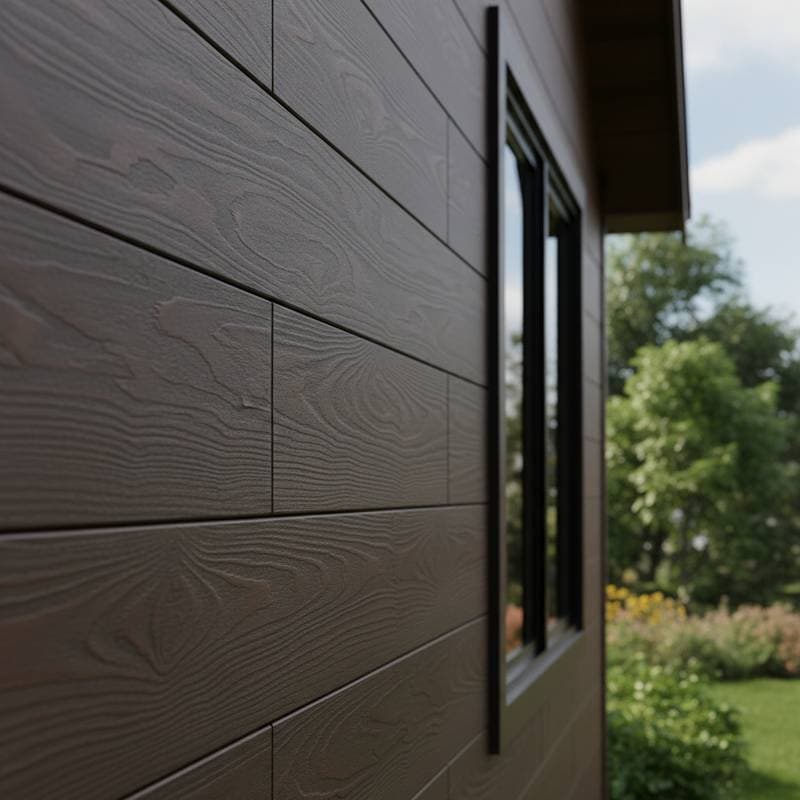
Advancements in 2026: Vinyl Siding Captures Wood Grain Authenticity
Vinyl siding continues to offer advantages in maintenance reduction and budget management, yet traditional concerns about its artificial appearance have persisted among homeowners. Recent developments address this by incorporating intricate grain patterns, multi-layered color variations, and non-reflective surfaces that closely replicate the natural qualities of cedar or finished pine. These enhancements position vinyl siding as a viable option for those seeking wood's inviting character alongside simplified care routines.
Homeowners now benefit from products that withstand environmental stresses while preserving visual appeal over time. For instance, advanced manufacturing techniques embed textures that withstand fading and wear, ensuring the siding maintains its realistic look for decades. This evolution broadens vinyl's appeal in residential design, blending practicality with aesthetic sophistication.
Selecting Styles and Materials
Primary Panel Profiles
Vinyl siding panels come in distinct configurations, each suited to specific architectural styles and visual effects.
- Clapboard: These panels feature flat surfaces with overlapping edges that create soft shadow lines, ideal for Colonial or Ranch-style residences.
- Dutch Lap: Characterized by a rounded upper edge, this profile produces pronounced shadows, enhancing traditional aesthetics.
- Board and Batten: Vertical panels separated by raised strips suit Farmhouse or Craftsman homes, adding vertical emphasis.
- Shake and Shingle: Irregular or uniform edges simulate cedar shakes, providing a rustic texture.
Updated wood-grain applications add tangible depth to these profiles, making them appear authentic from a distance and up close.
Variations in Vinyl Formulations
While all vinyl siding derives from polyvinyl chloride, differences in composition influence performance and appearance.
| Type | Key Features | Advantages | Disadvantages |
|---|---|---|---|
| Standard PVC | Basic surface or minimal texturing | Most affordable, simple to maintain | Visible seams, potential shine |
| Embossed Wood Grain | Pronounced textures, matte overlays | Lifelike appearance, conceals minor damage | Moderately increased expense |
| Insulated Vinyl | Integrated foam core | Improved insulation, even wall contours | Greater weight, requires secure attachment |
Selecting the appropriate type depends on climate, budget, and desired realism. Insulated options, for example, can reduce energy costs by up to 20 percent in moderate climates.
Combining Elements for Harmonious Exteriors
To create balanced facades, integrate horizontal clapboard on primary walls with vertical board and batten accents on gables or garage doors. Incorporate wood-grain shakes selectively in dormer areas, complemented by smoother trim elements to prevent overwhelming textures. Restrict the palette to two or three complementary shades for unified visual impact.
Consider regional weather patterns when mixing; in humid areas, opt for profiles with enhanced drainage features to minimize moisture accumulation.
Integrating Trim and Accents
Trim elements define and elevate siding installations. Opt for smooth white or ivory trim to highlight textured panels effectively. Wood-inspired vinyl trim serves well in limited applications, such as exposed beams or corner details. Source all components from the same manufacturer to ensure compatible thermal expansion and prevent warping issues.
Professional installers often recommend pre-painted trim for faster completion and consistent color matching.
Practical Design Examples
- Suburban Ranch Home: Apply Dutch lap panels in a light oak wood-grain finish across the main structure, accented by white trim and darker shakes on the entry gable for welcoming depth.
- Two-Story Colonial Residence: Use smooth clapboard on lower levels, transitioning to wood-grain Dutch lap above the belt course for layered interest without excess complexity.
- Contemporary Farmhouse: Employ vertical board and batten in a driftwood hue, finished with matte black trim to underscore modern rustic vibes.
These configurations demonstrate how targeted selections can transform standard exteriors into distinctive statements.
Preparing for Installation: A Phased Approach
1. Establish Project Objectives and Measurements
Determine whether the project involves complete replacement, targeted updates, or aesthetic enhancements. Calculate total wall surface area and identify necessary add-ons like vents, trim pieces, and soffit panels. Assess if underlying insulation upgrades or sheathing repairs form part of the plan.
Budgeting starts here; expect costs ranging from $4 to $12 per square foot for materials and labor, varying by region and siding type.
2. Evaluate Contractors and Obtain Quotes
Identify installers endorsed by leading vinyl producers for quality assurance. Solicit at least three detailed proposals outlining the same project parameters. Beyond pricing, scrutinize details on attachment techniques, warranty coverage, and post-job site restoration.
Verify contractor credentials through local building associations to ensure compliance with codes.
3. Review Samples and Secure Approvals
Request tangible samples viewed in natural light, as wood-grain effects shift under varying illumination. Consider on-site mockups for larger projects to validate texture and shade selections. Finalize choices prior to ordering to sidestep return complications and delays.
Document approvals in writing to align expectations with the final outcome.
4. Prepare the Site and Manage Workflow
Remove obstacles from access paths and relocate patio items. Arrange electrical outlets for tools like circular saws. Installation teams typically commence at a single corner, progressing methodically around the perimeter. Anticipate sounds from cutting and securing, and safeguard landscaping with protective coverings.
Schedule the work during milder weather to optimize material handling and crew efficiency.
5. Conduct Inspections Throughout the Process
- Post-Removal Phase: Examine underlying sheathing for damage like rot or moisture intrusion, addressing issues immediately.
- Post-Wrapping Stage: Confirm proper overlap in window and door flashings to prevent water entry.
- During Installation: Monitor panel leveling and fastener placement for uniformity.
- Completion Review: Inspect for plumb corners, secure joints, and sealed trim edges.
Thorough oversight culminates in a pristine site, secure fastenings, and seamless panel integration, setting the foundation for lasting performance.
Sustaining Appearance and Performance Over Time
The latest wood-grain vinyl siding achieves remarkable realism through durable, embedded textures. Preserve this quality via consistent maintenance and proactive measures.
Routine Maintenance Guidelines
- Maintain a 12-inch clearance between vegetation and walls to avoid abrasive contact.
- Inspect and renew caulking around trim every three to five years.
- Clean shaded zones quarterly with mild detergent solutions to deter algae growth.
- Promptly replace any damaged panels to uphold consistent grain patterns across the surface.
Regular attention not only extends the siding's lifespan beyond 30 years but also safeguards your investment against minor issues escalating into costly repairs. Homeowners who follow these practices enjoy sustained elegance and energy efficiency, realizing the full potential of modern vinyl innovations.