
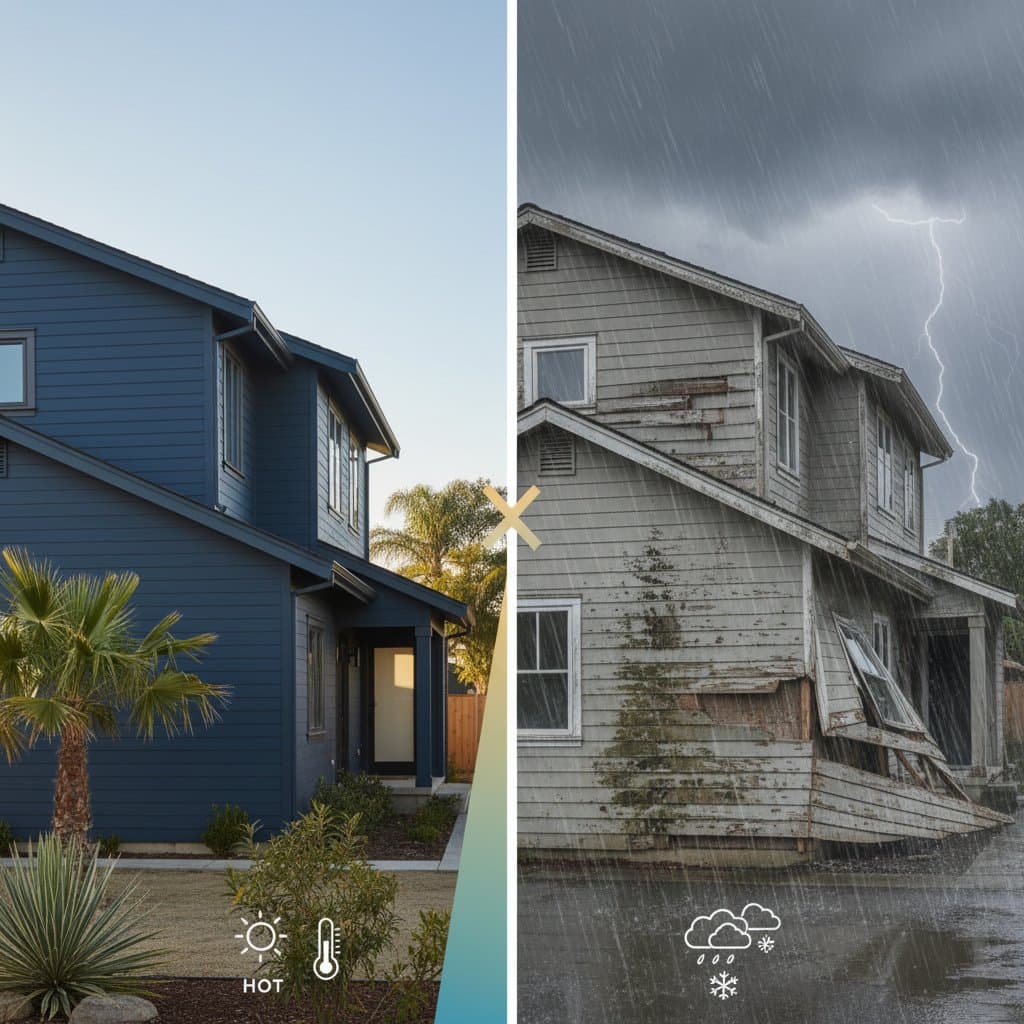
Understanding Siding Failure in Challenging Climates
Homeowners often select siding based on initial appearance or budget, overlooking how local weather patterns can accelerate wear. Temperature fluctuations, heavy rainfall, intense sunlight, and humidity levels each exert unique pressures on siding materials. A mismatch here results in issues like warping, peeling paint, or structural damage, leading to premature replacement and diminished property value.
By evaluating your climate zone—such as arid deserts, humid subtropics, or cold winters—you can anticipate these risks. For instance, materials that expand and contract excessively in hot-cold cycles may develop cracks over time. This foundational awareness empowers better decisions, extending the lifespan of your exterior and minimizing long-term maintenance demands.
Quick Project Overview
Project Scope: Full exterior siding replacement or targeted repairs on affected areas
Timeline: Typically 7 to 14 business days, influenced by home size, weather, and preparation needs
Skill Level: Moderate to advanced, often requiring professional expertise for optimal results
Cost Estimate: $9 to $24 per square foot, including materials and labor
These factors provide a starting point for planning. Larger homes or complex designs extend timelines, while material choices directly affect expenses.
Selecting Materials That Withstand Local Conditions
Different siding options respond variably to environmental stressors. Vinyl might resist fading in mild areas but buckle under extreme heat, while fiber cement endures coastal salt spray without deteriorating. Consider your region's dominant challenges: prolonged sun exposure in the Southwest, freeze-thaw cycles in the Northeast, or high winds in the Plains.
To guide your choice, review this comparison of common materials:
| Material Type | Durability Rating | Moisture Resistance | Maintenance Needs | Best Climate Suitability |
|---|---|---|---|---|
| Vinyl | Good | Moderate | Low | Temperate regions with moderate UV light |
| Fiber Cement | Excellent | High | Moderate | Humid, coastal, or rainy environments |
| Engineered Wood | Good | Moderate | Moderate | Dry to moderately variable conditions |
| Metal | Excellent | Very High | Low | Arid zones or areas prone to wildfires |
| Natural Wood | Fair | Low | High | Mild, dry climates with minimal rain |
This table highlights key attributes. Durability reflects lifespan under stress, while moisture resistance indicates performance against water infiltration.
Addressing Fire and Moisture Vulnerabilities
Fire safety becomes critical in regions with dry vegetation or high winds. Fiber cement and metal options typically earn Class A fire ratings, offering superior protection compared to vinyl, which can melt above 165 degrees Fahrenheit, or untreated wood, which ignites easily. For moisture-heavy areas like the Southeast, prioritize materials with inherent water repellency to prevent mold growth behind panels.
A frequent oversight involves inadequate backing. Without a housewrap or drainage mat, water pools and causes rot. In wet climates, this leads to siding delamination or insulation failure within five years. Always integrate a rainscreen system—gaps that allow airflow—to mitigate these risks.
Blending Materials and Styles Thoughtfully
Combining siding types, such as vinyl on lower levels with fiber cement accents, adds visual interest if done strategically. Position transitions at natural divisions like rooflines or corners to maintain cohesion. Opt for harmonious colors; stark contrasts can make the facade appear disjointed and highlight imperfections over time.
Consult local building codes for material compatibility, especially in historic districts. Professional mockups or samples help visualize the final look before commitment.
Key Insight: Cross-reference manufacturer specs with your area's average annual rainfall, temperature extremes, and UV index. This targeted approach avoids issues like chalking on sun-exposed surfaces or brittleness in freezing conditions, ultimately preserving your investment.
Ensuring Installation Excellence to Prevent Early Wear
Premium materials lose effectiveness without precise installation. Gaps in sealing or improper fastening invite water entry, the primary culprit in 70 percent of siding claims. Skilled crews follow protocols that account for regional specifics, such as wider expansion joints in heat-prone zones to accommodate material swelling.
Essential Installation Checks
Verify these steps to safeguard longevity:
- Install a seamless weather-resistive barrier, like a high-permeability housewrap, covering the entire sheathing.
- Apply metal flashing around windows, doors, and roof junctions to channel water outward.
- Adhere to specified expansion gaps—typically 1/8 inch for vinyl—to prevent buckling during seasonal shifts.
- Stagger horizontal joints by at least one stud spacing to minimize visible lines and enhance strength.
- Prime or seal all cut edges on-site, protecting raw wood or cement from immediate exposure.
These practices form a robust defense. In humid climates, additional venting at the base and soffits promotes drying, reducing trapped moisture.
Managing On-Site Disruptions
Construction affects daily life and neighbors. Designate contained areas for material storage and cutting to control dust spread—use tarps and vacuums for efficiency. Communicate timelines upfront: expect intermittent noise from saws during peak hours and daily cleanups to keep walkways clear.
For multi-story homes, scaffold safety and fall protection are non-negotiable. These considerations ensure a smooth process and compliant work.
Key Insight: Invest in certified installers who provide warranties covering labor. Their attention to detail extends siding performance by a decade or more, while safeguarding underlying structure and energy efficiency.
Choosing and Evaluating Contractors Effectively
A reliable contractor transforms plans into reality. Seek those experienced in your climate's demands, such as wind-resistant fastening in hurricane zones. References from similar projects reveal their track record with local conditions.
Bid Requirements for Transparency
Demand comprehensive proposals that detail:
- Specific material grades, including thickness and color options
- Brands and types of weather barriers, flashings, and sealants
- Extent of trim work, caulking, and any painting or finishing
- Handling of waste, debris removal, and final site restoration
- Who obtains permits and schedules inspections
This level of specificity prevents surprises. Vague bids often hide add-ons that inflate costs.
Strategies for Comparing Offers
Break down bids into labor, materials, and extras:
- Insist on line-item pricing to spot discrepancies
- Ensure coverage for hauling away old siding and temporary staging
- Structure payments around progress: 30 percent upfront, 40 percent mid-project, 30 percent upon inspection
Compare at least three bids, but prioritize quality over the lowest price. Certifications from bodies like the Vinyl Siding Institute signal adherence to best practices.
Red flags include rushed timelines or pressure for full payment in advance. A solid contract outlines change orders and dispute resolution, providing peace of mind.
Maximizing Benefits from Your Siding Investment
Well-chosen and installed siding enhances daily living beyond aesthetics. It buffers against noise from traffic or storms, stabilizes indoor temperatures for lower utility bills, and maintains a polished exterior that boosts curb appeal. In resale scenarios, durable options signal quality construction, potentially increasing offers by 5 to 10 percent.
Regular inspections—annually checking for loose panels or caulk failures—sustain performance. Touch up paint as needed and clear debris from drainage paths to avert minor issues from escalating.
Ultimately, aligning siding with your climate yields a resilient home that withstands years of exposure. This proactive strategy not only cuts repair frequency but also preserves equity and comfort for the long haul.