
Which Siding Material Provides the Strongest Warranty Protection in 2025?
Homeowners evaluate siding options with increasing attention to warranty details alongside aesthetics and functionality. These warranties indicate a manufacturer's confidence in product longevity. Superior coverage extends to both the siding material and its finish, while specifying conditions for transferability, labor inclusion, and potential exclusions. This article details the leading siding types, essential clauses to review, and strategies to preserve warranty validity throughout its duration.
Strong warranties protect against defects in manufacturing, fading, cracking, and environmental damage. They often exclude issues from improper installation or neglect. Understanding these elements helps homeowners select options that align with their property needs and budget constraints.
Selecting Styles and Materials for Optimal Coverage
Residential siding projects feature popular profiles such as lap, shingle, board-and-batten, and vertical panels. Lap profiles offer versatility for traditional homes, whereas board-and-batten designs complement contemporary farmhouse aesthetics. Selection begins with matching style to architectural goals, followed by assessing material warranties for comprehensive protection.
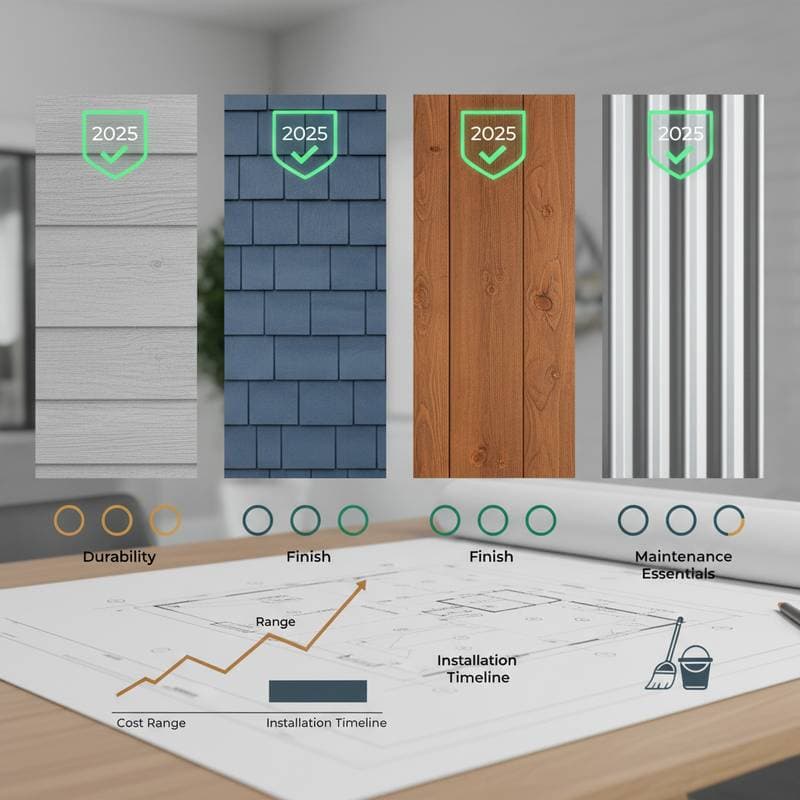
Each material presents unique warranty strengths based on composition and performance expectations. Vinyl provides affordability and ease of maintenance, while fiber cement excels in fire resistance and impact durability. Engineered wood balances natural appearance with engineered resilience, and metal withstands extreme weather conditions effectively.
Warranty Comparison Table
| Material | Typical Warranty Term | Finish Coverage | Transfer Policy |
|---|---|---|---|
| Vinyl | Lifetime limited | 25 to 35 years fade resistance | Transferable once, with notice |
| Fiber Cement | 30 to 50 years | 15 to 25 years on finish | Transferable within first decade |
| Engineered Wood | 30 to 50 years | 15 years on factory finish | Transferable once |
| Metal | 40 years to lifetime | 30 to 40 years paint coverage | Fully transferable |
Metal siding emerges as the frontrunner for integrated material and finish warranties, offering robust defense against corrosion and UV exposure. Fiber cement follows with excellent structural guarantees, particularly in regions prone to moisture or hail. Engineered wood provides solid coverage for substrates but requires vigilance on finish maintenance. Vinyl suits budget-conscious projects, though its lifetime term includes prorated adjustments after initial periods.
Homeowners should scrutinize clauses related to wind resistance, substrate preparation, and labor reimbursement. For instance, many warranties mandate certified installers to activate full terms. Costs vary: vinyl installations range from $4 to $8 per square foot, fiber cement from $7 to $12, engineered wood from $6 to $10, and metal from $8 to $15, excluding labor which adds 40 to 60 percent.
Installation timelines typically span 5 to 10 days for a standard 2,000-square-foot home, depending on weather and site complexity. These factors influence total project expenses, often totaling $10,000 to $30,000.
Preparing for a Successful Siding Installation
Effective preparation ensures warranty activation and minimizes future issues. Begin by clarifying project objectives, such as prioritizing low-maintenance options like vinyl or enduring durability with metal.
- Establish project goals: Assess home style, climate challenges, and maintenance preferences to narrow material choices.
- Vet contractors: Select professionals certified by the siding manufacturer to qualify for full warranty benefits.
- Test samples: Examine color and texture samples under natural site lighting to confirm aesthetic fit.
- Prepare the site: Remove obstacles, secure the area, and identify underground utilities to prevent disruptions during work.
- Conduct inspections: Verify proper flashing installation, consistent fastener placement, and precise joint alignment prior to enclosing panels.
- Document the process: Retain receipts, photos, and certification proofs to support warranty claims if needed.
These steps reduce installation errors, which account for up to 30 percent of warranty denials. Professional assessments during prep can identify underlying issues like moisture damage, ensuring a stable base for new siding.
Maintaining Siding to Maximize Warranty Benefits
Warranties deliver value through diligent upkeep and record-keeping. Regular inspections reveal early signs of wear, such as sealant degradation or fastener loosening. For metal and fiber cement, annual cleaning with mild solutions preserves finishes and prevents buildup that could void coverage.
Vinyl requires minimal effort, focusing on gentle washing to maintain fade resistance. Engineered wood benefits from periodic sealing to extend factory-applied protections. All materials demand proper ventilation and clearance from soil or vegetation to avoid moisture-related exclusions.
By adhering to manufacturer guidelines, homeowners extend siding lifespan beyond warranty terms, often achieving 40 to 60 years of service. This approach not only safeguards investment but enhances curb appeal and property value. Consult original documentation for specific care protocols tailored to your installation.