
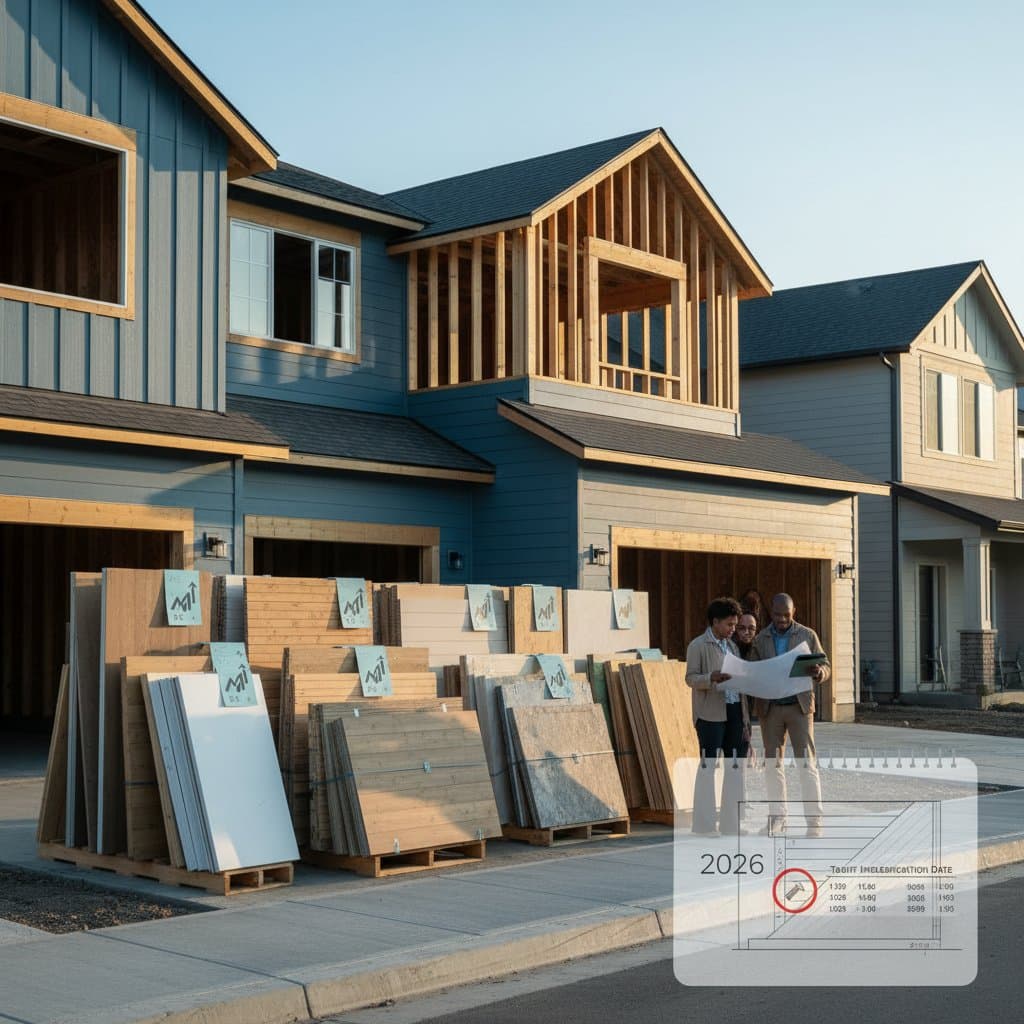
Understanding the 2026 Tariff Impact on Siding Prices
Homeowners preparing for exterior renovations must account for recent policy changes affecting building material costs. The 2026 tariffs target imports of key components such as metals, vinyl resins, and fiber cement, which directly influence the final price of siding products. These additional duties increase the landed cost by 10 to 25 percent, translating to an extra $1 to $3 per square foot depending on the material and supplier chain.
This surge affects both full replacements and targeted repairs, as distributors pass on the higher expenses. Project timelines may extend by two to four weeks due to supply chain adjustments and sourcing delays. By grasping these dynamics early, individuals can adjust budgets, explore domestic alternatives, and negotiate with contractors to minimize financial strain.
Selecting Siding Styles and Materials
Choosing the right siding involves balancing aesthetics, functionality, and budget constraints heightened by tariffs. Start by evaluating your home's architectural style to select profiles that enhance curb appeal without unnecessary expense. For instance, lap siding offers versatility for traditional homes, while board and batten adds a rustic vertical element ideal for craftsman designs.
Shingle or shake panels provide a textured, timeless look suitable for coastal or cottage properties. Metal panels deliver a sleek, contemporary finish with minimal upkeep, though their import reliance makes them particularly vulnerable to tariff hikes. Always prioritize profiles that align with local building codes to avoid costly revisions later.
Material Breakdown and Tariff Considerations
Each siding material presents unique advantages and challenges, especially under current economic pressures. Vinyl remains a popular choice for its affordability and ease of installation, but tariffs on resin imports could elevate prices by up to 15 percent. Fiber cement excels in durability and fire resistance, yet its weight requires professional handling and periodic repainting.
Engineered wood combines a natural appearance with reasonable costs, provided proper sealing prevents moisture damage. Metal siding stands out for longevity and low maintenance, though it carries a premium price and risks denting from impacts. Composite options maintain color stability and resist expansion, but availability may vary as suppliers adapt to tariff-driven sourcing shifts.
| Material | Key Advantages | Potential Drawbacks |
|---|---|---|
| Vinyl | Affordable, lightweight, simple to clean | Sensitive to UV fading, tariff-impacted |
| Fiber Cement | Fire-resistant, dimensionally stable | Heavier installation, needs repainting |
| Engineered Wood | Authentic wood aesthetic, cost-effective | Demands regular sealing against weather |
| Metal | Extremely durable, recyclable | Prone to dents, higher initial expense |
| Composite | Consistent color, minimal warping | Fewer style varieties, supply variability |
When tariffs inflate costs for preferred materials, consider hybrid approaches. Limit premium imports to visible areas like the front facade, and use more economical options on side or rear elevations. This strategy preserves visual impact while controlling overall expenditures.
Design Guidelines for Cohesive Exteriors
Effective siding installation relies on thoughtful integration of profiles, materials, and trim. Limit combinations to two primary materials per wall to prevent a disjointed appearance. Pair horizontal lap siding with vertical accents for dynamic contrast, ensuring trim matches in tone and scale for seamless transitions.
Trim elements frame corners, doors, and windows, so opt for PVC or pre-primed wood if metal prices climb. Maintain consistent reveals between panels, typically 1/8 to 1/4 inch, and ensure flashing overlaps properly to form a robust weather seal. These details not only enhance longevity but also comply with energy efficiency standards.
Practical Application Examples
For a suburban two-story home, apply vinyl lap siding across the main body for broad coverage, accented by fiber cement panels on gables to highlight rooflines. Coastal cottages benefit from fiber cement shingles on upper levels paired with engineered wood board and batten below, creating layered texture resistant to salt air. Modern ranch styles shine with horizontal composite or corrugated metal planks, emphasizing clean lines and bold minimalism.
In each case, factor in tariff effects by requesting quotes that specify material origins. Domestic-sourced alternatives often qualify for exemptions, reducing the per-square-foot add-on to under $1.
Ensuring Durability and Safety Standards
Tariffs alter pricing but not inherent material performance, so focus on selections that withstand local environmental demands. Verify that chosen siding achieves at least Class 10 wind resistance in hurricane-prone areas, and opt for moisture-rated products in humid climates. Consult manufacturer guidelines for fastener placement, spacing panels no more than 16 inches on center to secure against uplift forces.
Addressing Key Environmental Threats
Vinyl siding performs well in moderate conditions but softens above 165 degrees Fahrenheit, so maintain clearance from heat sources like barbecues or exhaust vents. Fiber cement and metal materials lead in fire ratings, often exceeding Class A standards, making them suitable for wildfire zones. Engineered wood requires elevation at least six inches above ground level and proper soffit ventilation to deter rot and insect intrusion.
Impact resistance varies; metal withstands hail up to 1.75 inches, while vinyl may crack under similar stress. Select based on regional risks, such as hail in the Midwest or seismic activity in the West, to avoid premature failures.
Building Envelope Essentials
A sound building envelope protects the home's structure from water and air infiltration. Install house wrap or a vapor-permeable membrane over sheathing before siding application. Apply self-adhering flashing tape around all openings, and seal joints with backer rod and low-expansion foam to eliminate gaps.
Even interlocking panels demand attention to vertical seams; apply caulk from behind to create a continuous barrier. These measures extend siding lifespan by 20 to 30 percent and reduce energy loss through drafts.
Maintenance Protocols
Regular upkeep preserves appearance and functionality amid fluctuating material costs. Conduct visual inspections twice yearly, focusing on joint integrity and color uniformity.
| Frequency | Recommended Actions |
|---|---|
| Every 6 months | Gently rinse surfaces with hose pressure under 1500 PSI |
| Annually | Examine for cracks, reseal trim, touch up paint as required |
| Post-Storm | Assess for damage, secure loose elements promptly |
Steer clear of abrasive cleaners; mild soap solutions suffice for most surfaces. Address issues swiftly to prevent minor wear from escalating into full replacements.
Warranty Navigation
Most siding warranties span 25 to 50 years, covering defects in material and fading. Retain purchase receipts, installation records, and batch numbers for claims. Understand exclusions, such as improper installation or environmental damage, and register products online for streamlined support. Tariffs do not void coverage, but sourcing verified domestic goods ensures compliance with warranty terms.
Preparing for a Successful Siding Project
Thorough preparation streamlines the process and curbs unexpected expenses from tariff volatility. Begin by clarifying project scope: measure total square footage, note existing insulation, and identify trim conditions.
- Set Clear Objectives: Determine whether a complete overhaul or section-specific repair suits your needs. Photograph current siding to document issues like rot or peeling.
- Solicit Contractor Bids: Contact at least three licensed professionals for itemized proposals, specifying brands, origins, and tariff inclusions. Review insurance and references to confirm reliability.
- Evaluate Samples: Obtain actual material swatches to assess texture, weight, and light reflection. Approve exact color codes and finishes in writing prior to procurement.
- Prepare the Site: Trim vegetation back from walls, relocate valuables, and notify neighbors of construction noise. Secure a debris disposal plan to maintain tidiness.
- Manage Daily Operations: Anticipate sequential wall work, with removal preceding installation. Coordinate access for deliveries and monitor progress against the timeline.
- Perform Inspections: Check window flashing integration, nail embedment (at least 1 inch into studs), and panel alignment. Withhold final payment until all defects receive correction.
These steps foster collaboration and yield a professional outcome, often completing projects in 7 to 14 days for average homes.
Strategies for Sustained Value Amid Tariff Changes
While tariffs introduce uncertainty, proactive measures safeguard investments over time. Stockpile spare panels equivalent to 5 percent of the total area for quick repairs, capitalizing on pre-tariff pricing. Engage certified inspectors annually to detect subtle degradation, extending the siding's service life beyond 30 years.
Track all documentation digitally for warranty pursuits and resale value enhancement. By prioritizing resilient materials and diligent care, homeowners realize enduring protection and aesthetic appeal, offsetting initial cost increases with reduced future outlays.