
Understanding the Market Shift in Siding Prices
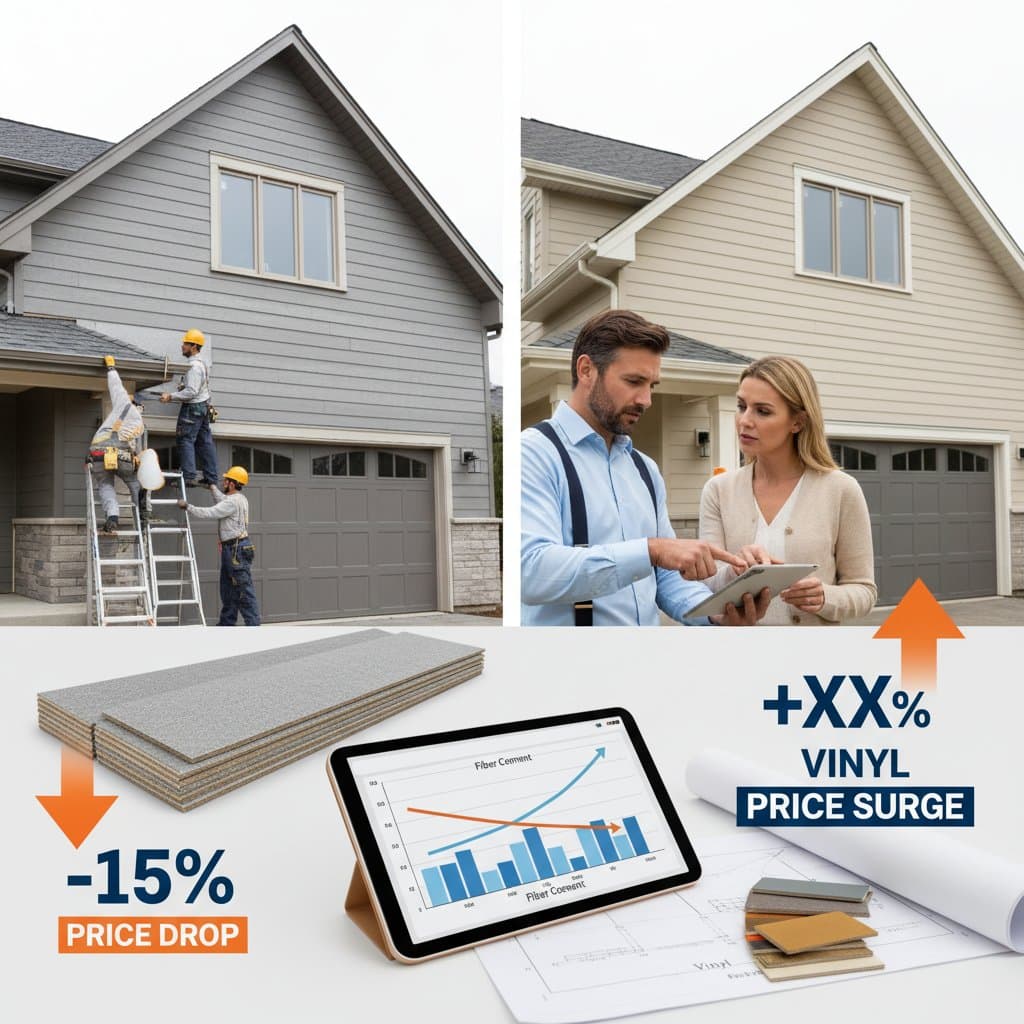
Recent fluctuations in siding material costs have caught the attention of homeowners and contractors alike. Fiber cement siding prices have declined by 15 percent over the past quarter, driven by increased manufacturing efficiencies and stabilized raw material supplies. In contrast, vinyl siding prices have surged due to rising petroleum-based resin costs and supply chain disruptions from global events.
These changes reshape project budgets significantly. Homeowners planning exterior updates now face decisions that balance upfront expenses with long-term performance. For instance, a typical 2,000-square-foot home renovation could save several thousand dollars by opting for fiber cement, yet vinyl's traditional affordability edge has narrowed.
Market analysts predict this trend may persist through the year, influenced by energy prices and trade policies. Homeowners benefit from timing purchases during this window, but careful evaluation remains essential to avoid overlooking hidden costs like installation or upkeep.
Evaluating Material Options
Fiber cement offers superior durability against weather and pests, with a lifespan often exceeding 50 years when properly maintained. Its composition of cement, sand, and cellulose fibers resists warping and fading better than many alternatives. The recent price reduction positions it as a premium yet accessible choice for elevating home aesthetics.
Vinyl siding, while lighter and quicker to install, faces challenges from UV degradation and impact vulnerability. The price increase stems from volatile petrochemical inputs, pushing costs closer to fiber cement levels. Both materials provide fire resistance and low ongoing expenses, but fiber cement edges out in regions with harsh climates.
Key factors to weigh include local climate, architectural style, and resale potential. In humid areas, fiber cement's moisture resistance proves invaluable. For budget-conscious projects, vinyl retains advantages in speed, though the cost parity demands a fresh look at value propositions.
Action takeaway: Compare quotes from at least three suppliers for both materials, factoring in current promotions and bulk discounts to capitalize on the fiber cement savings.
Design Considerations for Siding Selection
Effective siding design enhances curb appeal and integrates seamlessly with existing architecture. Start by ensuring horizontal lines remain consistent across all elevations to create a unified appearance. This approach prevents visual disruptions that can make a home appear disjointed.
Incorporate contrast between siding and trim using at least two distinct color tones for clear definition. Such differentiation highlights architectural features and adds depth. Coordinate entry doors and lighting fixtures to serve as anchors for the facade, drawing the eye and establishing a welcoming entry point.
Upgrade house numbers and mailbox finishes to match the overall scheme, contributing to cohesive visual weight. Color depth influences how siding appears in photographs and from the street. Neutral mid-tones conceal dust and age gracefully, while cooler grays and taupes preserve broad resale appeal across diverse regions.
Action takeaway: Request two full-size sample boards prior to finalizing selections. Observe them under shade and direct sunlight to verify undertone accuracy and harmony with your home's surroundings.
Maintenance Strategies for Longevity
Proper care extends the service life of either material, ensuring they perform as intended for decades. Fiber cement can surpass 40 years with periodic paint renewals, maintaining its protective barrier against elements. Vinyl's durability hinges on UV stability and secure fastening, typically lasting 20 to 40 years under optimal conditions.
Regular maintenance prevents minor issues from escalating into costly repairs. A simple routine keeps surfaces clean and structurally sound, preserving both appearance and warranty validity.
Maintenance checklist:
- Wash siding annually with mild detergent and a soft brush each spring to remove buildup.
- Inspect caulk joints biennially and reseal any gaps to block moisture intrusion.
- Trim vegetation to maintain at least six inches of clearance from walls, reducing mold risk.
- Address paint or coating chips immediately to avert edge moisture damage.
- Verify that gutter discharge routes water away from foundation corners effectively.
Action takeaway: Maintain a log of all cleaning and inspection activities. This record bolsters warranty claims and provides reassurance to potential buyers during resale discussions.
Realizing Value Over Time
The fiber cement price drop opens opportunities for homeowners to upgrade material quality without exceeding budgets. This shift allows investment in higher-end options that enhance durability and style. Vinyl continues to appeal for its straightforward installation and minimal upkeep, though its elevated costs now align more closely with fiber cement.
Consider not only initial outlays but also future performance, appearance, and ease of care over the next decade. Informed choices integrate precise cost assessments, thoughtful design, and reliable craftsmanship to yield enduring results.
By leveraging current market dynamics, homeowners can achieve exteriors that boost property value and daily enjoyment. Focus on selections that align with personal needs and regional demands for optimal returns on siding investments.