
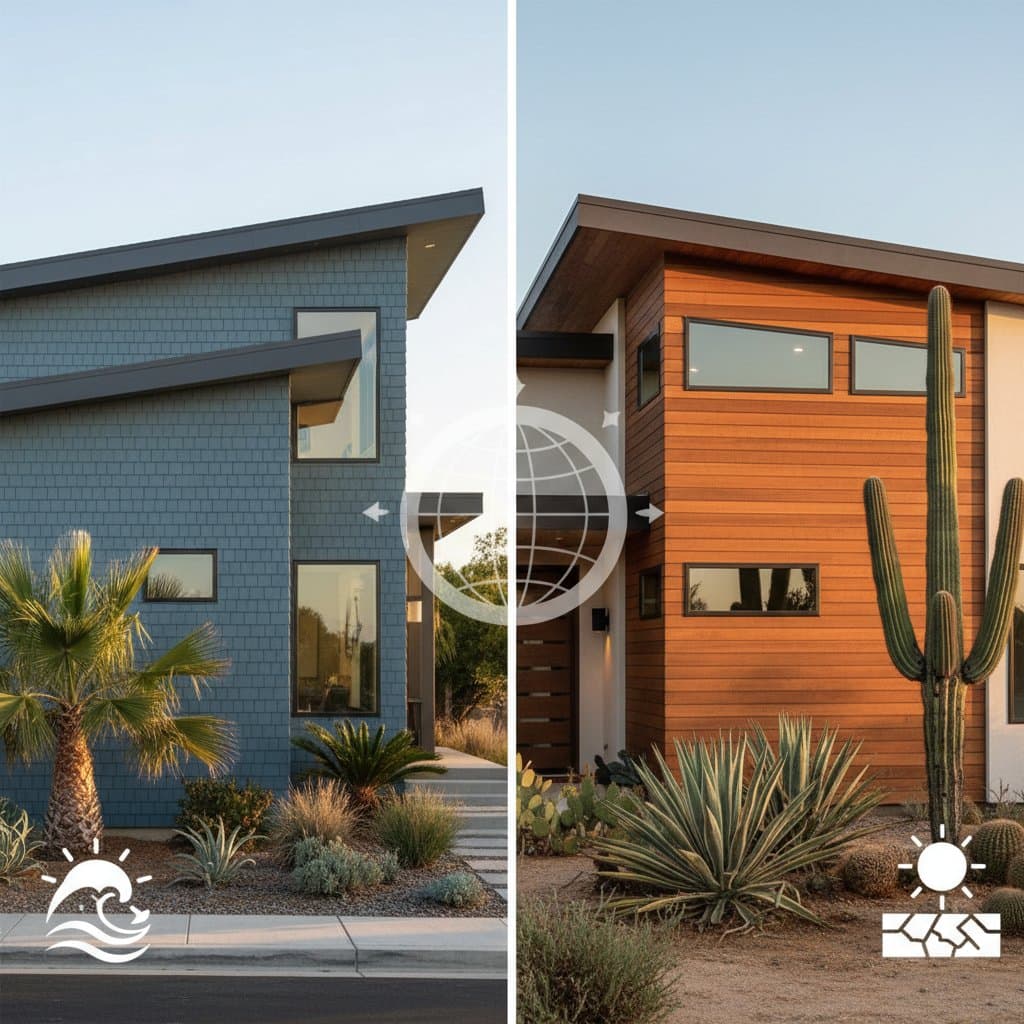
Understanding Climate's Role in Siding Selection
Homeowners often begin siding projects by considering aesthetics and budget, yet climate emerges as the decisive factor for longevity. Regional weather patterns, including precipitation levels, temperature fluctuations, and exposure to elements like salt or UV radiation, directly impact material performance. Selecting siding aligned with these conditions ensures structural protection, reduces repair frequency, and preserves visual appeal for years.
For instance, materials in humid environments must resist moisture absorption to prevent warping or mold growth. In contrast, arid regions demand options that withstand intense sun without cracking. This alignment not only safeguards the home but also optimizes energy efficiency by minimizing heat transfer through the exterior.
Exploring Siding Styles and Profiles
While climate sets boundaries on material viability, design preferences remain flexible within those limits. Profiles, colors, and textures allow customization to complement architectural styles, provided they accommodate local environmental stresses.
Key Siding Profiles
- Lap siding provides versatile coverage across diverse climates, with its overlapping design effectively channeling water away from the structure.
- Board and batten excels in arid or temperate zones, where vertical lines facilitate drainage and enhance airflow to mitigate heat buildup.
- Shingles or shakes integrate seamlessly in coastal or forested settings, though they require vigilant sealing to combat persistent dampness.
- Panel systems with integrated trims deliver contemporary aesthetics and suit stable, low-humidity areas by offering broad surface protection against dust and dry winds.
These profiles can adapt to various home designs, from traditional ranch styles to modern facades, ensuring both functionality and visual harmony.
Evaluating Material Choices
Each siding material brings unique attributes suited to specific climates. The table below outlines strengths, limitations, and ideal applications, drawing from performance data in real-world conditions.
| Material | Strengths | Weaknesses | Best Climate Zones |
|---|---|---|---|
| Vinyl | Affordable initial cost; minimal routine care required | Susceptible to brittleness in subzero temperatures; prone to color fading from prolonged UV exposure | Temperate regions with moderate temperature ranges and limited sun intensity |
| Fiber Cement | Exceptional resistance to fire, rot, and pests; durable under impact | Increased weight demands robust installation; elevated labor expenses | Humid, coastal, or wildfire-risk areas with high moisture and heat |
| Engineered Wood | Authentic wood grain appearance; easier handling during installation | Requires precise application of sealants to prevent water ingress | Moderate humidity to arid interiors, avoiding extreme wet cycles |
| Metal (Steel or Aluminum) | Inherent fire resistance; superior strength against high winds | Potential for denting from hail; necessitates detailed trim work to avoid thermal bridging | High-wind corridors or fire-prone landscapes with variable temperatures |
| Natural Wood | Timeless, warm aesthetic that ages gracefully | Demands frequent treatments; vulnerable to termites and fungal decay | Arid or consistently mild climates with low insect activity |
When choosing, consider not only immediate performance but also how the material interacts with underlying insulation and ventilation systems to enhance overall home efficiency.
Guidelines for Combining Materials
Integrating multiple materials adds design interest without compromising durability, but adherence to best practices is essential. Select a primary cladding that dominates 70 to 80 percent of the surface, paired with accents on smaller areas like gables or entryways. For example, pair fiber cement lap siding on main walls with limited cedar shake accents on rooflines, ensuring all junctions feature corrosion-resistant metal flashing to direct water flow.
Transitions should align with natural architectural breaks, such as foundation lines or window frames, to prevent moisture trapping. This approach maintains a cohesive look while distributing environmental stresses across compatible elements.
Selecting Trims and Accents
Trims serve as critical barriers against elemental intrusion at edges and corners. In moisture-heavy climates, opt for fiber cement or PVC variants that resist expansion and contraction. Dry environments permit painted wood trims, refreshed with sealant every three to five years to sustain integrity.
Accents, such as stone veneers or brick headers, should match the primary material's thermal properties to avoid differential movement that could lead to cracks.
Real-World Application Examples
- Coastal Residence: Fiber cement lap siding combined with PVC trim withstands salt spray and humidity, maintaining structural stability without frequent replacements.
- Mountain Retreat: Engineered wood siding, installed under generous roof overhangs, copes with freeze-thaw cycles by allowing expansion space and reducing direct ice accumulation.
- Desert Property: Stucco finishes or metal panels reflect solar heat, minimizing expansion risks and simplifying dust removal through smooth surfaces.
These scenarios illustrate how tailored selections extend siding lifespan by 20 to 50 years, depending on proactive care.
Preparing for a Successful Siding Installation
Effective project planning transforms potential challenges into seamless execution. Follow these structured steps to align expectations, secure quality workmanship, and achieve enduring results.
1. Establish Project Objectives and Budget
Begin by outlining priorities, such as enhancing thermal insulation, updating exterior colors, or fortifying against severe weather. Develop a comprehensive budget encompassing material procurement, professional labor, waste disposal, and a 10 to 15 percent contingency for unforeseen issues like hidden rot discovery.
Consult local building codes early to incorporate requirements for ventilation or fire ratings, ensuring compliance from the outset.
2. Vet Contractors and Analyze Proposals
Seek contractors experienced in climate-specific installations, verified through certifications from material manufacturers. Request detailed bids breaking down phases: old siding removal, house wrap application, trim fabrication, siding attachment, and site restoration. Reject proposals lacking specifics on moisture barriers, as these omissions signal inadequate expertise.
Interview at least three candidates, reviewing portfolios of similar projects in your region to gauge reliability.
3. Review Samples and Secure Approvals
Insist on full-scale samples installed temporarily on your home's exterior. Evaluate them under varying conditions, including morning light and simulated rain, to assess color vibrancy and texture realism. Finalize selections only after confirming compatibility with your home's orientation and existing features.
Document approvals in writing to streamline ordering and minimize delays.
4. Prepare the Site and Establish On-Site Protocols
Clear the perimeter of landscaping and valuables to create a safe workspace. Ensure access to power, water, and waste receptacles, while coordinating with neighbors on noise and dust mitigation. During installation, designate daily checkpoints for progress reviews, weather monitoring, and adjustments to maintain schedule adherence.
Protect interior spaces with sealed windows and drop cloths to prevent debris entry.
5. Conduct Milestone Inspections
Monitor key stages to uphold standards. Post-removal, inspect sheathing for dryness and structural soundness, addressing any rot with treatments before proceeding. During house wrap installation, confirm proper shingle-style overlaps and sealed penetrations to form a continuous vapor barrier.
As siding attaches, verify consistent reveal heights, appropriate fastener depth to avoid surface damage, and secure fastening patterns resistant to wind uplift. On completion, examine all touch-ups, fresh caulking, and thorough cleanup, withholding final payment until satisfaction is confirmed.
Maintaining Siding for Long-Term Performance
A climate-appropriate siding installation demands ongoing vigilance to sustain its protective qualities. In humid or marine environments, fiber cement and metal options inherently deter mold proliferation and dimensional changes, requiring only annual rinses with mild detergents.
Arid settings benefit from engineered wood or stucco, which retain coolness and demand infrequent inspections for sealant integrity. Schedule professional assessments every five years, focusing on fastener corrosion and joint seals, while logging all maintenance activities.
These records not only facilitate warranty enforcement but also boost property value by demonstrating diligent stewardship. Ultimately, informed choices and consistent care ensure your home's exterior remains a reliable shield, blending durability with enduring style.