
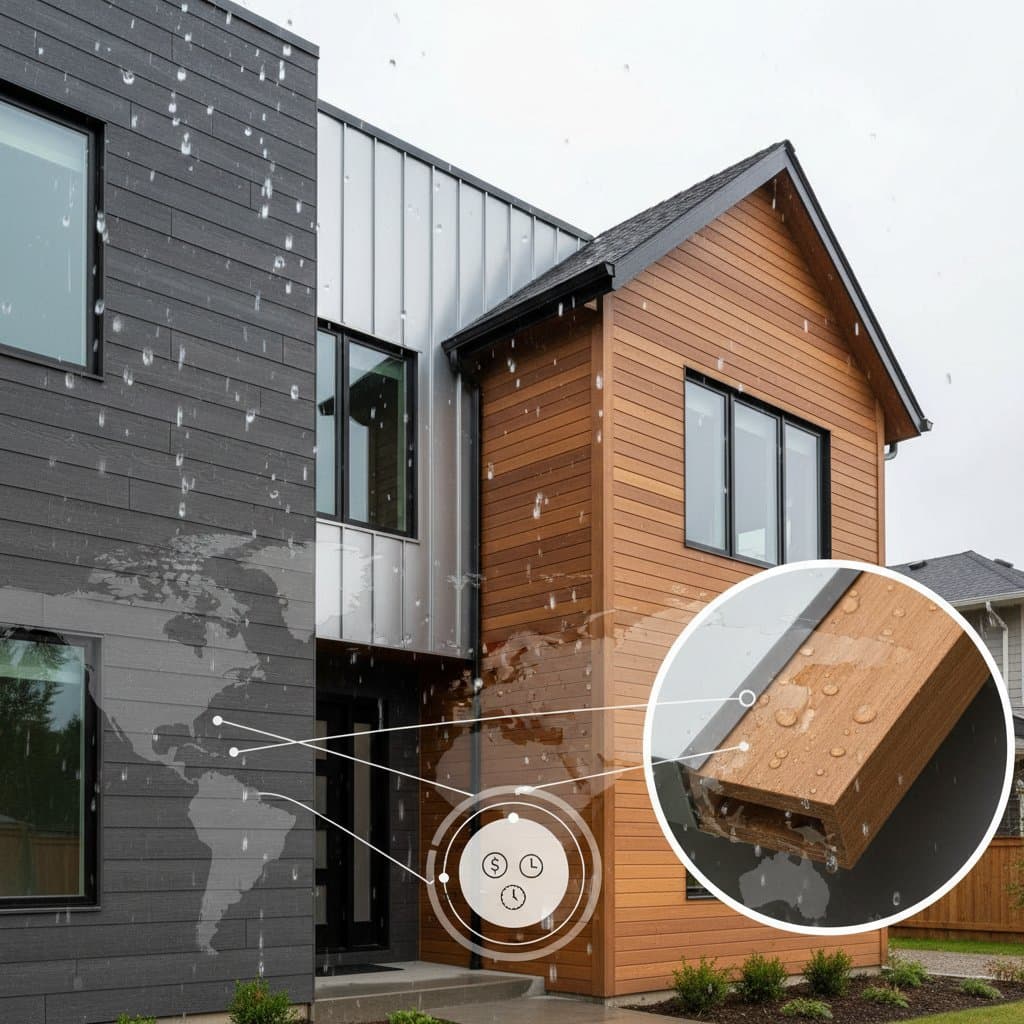
Understanding Weatherproof Siding Needs
Home exteriors endure relentless exposure to environmental forces. Intense storms, fluctuating temperatures, and humidity levels challenge siding materials daily. Selecting the right option requires evaluating regional climate patterns alongside performance characteristics to ensure long-term protection and minimal repairs.
Consider your location's specific demands. Coastal areas battle salt spray and high winds, while inland regions face freeze-thaw cycles and intense sun. Proper siding not only shields structural elements but also contributes to energy efficiency by reducing heat transfer.
Material Breakdown: Options, Costs, and Performance
Siding materials vary in resilience, aesthetics, and expense. Each type offers unique benefits suited to different weather conditions. Below is a detailed comparison, including typical installed costs per square foot, which account for labor and basic accessories in moderate climates.
| Material | Strengths | Limitations | Typical Lifespan | Installed Cost per Sq Ft |
|---|---|---|---|---|
| Vinyl | Affordable, extensive color choices, minimal maintenance | Prone to cracking in subzero temperatures or warping under extreme heat | 20 to 30 years | $3 to $7 |
| Fiber Cement | Resistant to fire, rot, and pests; mimics wood appearance | Heavier weight requires sturdy framing; periodic repainting necessary | 30 to 50 years | $6 to $14 |
| Engineered Wood | Authentic wood grain texture with pre-applied finishes | Vulnerable to moisture if seams are not sealed properly | 25 to 40 years | $5 to $10 |
| Metal (Steel or Aluminum) | Excellent resistance to hail, high winds, and impacts; fully recyclable | Susceptible to dents from severe storms; fewer color varieties available | 40+ years | $4 to $12 |
| Composite or Polymer | Superior impact and fade resistance; lightweight installation | Premium pricing; fewer specialized contractors in some areas | 30 to 50 years | $8 to $15 |
Vinyl siding provides an entry-level choice for budget-conscious homeowners in mild climates. It installs quickly over existing surfaces, reducing labor expenses. However, in regions with temperature swings exceeding 100 degrees Fahrenheit, opt for thicker gauges to prevent deformation.
Fiber cement stands out for its versatility in wet or fire-prone zones. Brands like James Hardie engineer products with silica and cellulose for enhanced strength. Expect higher upfront costs, but the material's longevity offsets expenses through reduced replacement needs.
Engineered wood, such as LP SmartSide, combines strands of wood with resins for stability. It accepts paints and stains well, allowing customization. In humid environments, apply sealant to all cut edges during installation to block water infiltration.
Metal siding excels in high-wind areas, rated up to 160 mph for certain profiles. Steel versions offer better dent resistance than aluminum, though both require protective coatings to combat corrosion. Recycling at end-of-life adds an environmental advantage.
Composite materials blend recycled plastics and wood fibers for a low-maintenance alternative. They resist mold and insects without chemical treatments. Ideal for urban settings with pollution, these options maintain color vibrancy longer than traditional woods.
Selecting Styles and Profiles for Your Home
Siding style influences architectural harmony and visual appeal. Profiles define the texture and orientation, impacting how the material weathers over time.
Horizontal lap siding delivers a classic, streamlined look suitable for ranch or colonial designs. Panels overlap for water runoff, with wider boards enhancing modern minimalism. In windy areas, secure with corrosion-resistant fasteners spaced every 16 inches.
Shake and shingle profiles evoke traditional charm, perfect for coastal cottages or Craftsman bungalows. These textured options diffuse light and shadow for depth. For durability, choose non-combustible versions in wildfire-risk zones.
Vertical board-and-batten adds rustic vertical lines, complementing farmhouses or contemporary facades. The battens cover seams, providing extra protection against driving rain. Ensure proper ventilation behind panels to prevent moisture buildup.
Combining Materials for Optimal Results
Integrating multiple materials creates a customized exterior that balances durability and design. For example, install fiber cement on lower walls exposed to splash-back from rain, paired with lighter vinyl on upper stories to control weight.
Use composite accents on gables or dormers for impact resistance without full replacement costs. Natural transitions occur at roof edges or corner boards, sealed with flexible caulk to accommodate expansion.
This approach optimizes budgets; durable materials protect vulnerable areas while economical options cover less critical sections. Consult local codes for compatibility, as some combinations affect insulation values.
Enhancing with Trim and Accessories
Trim elements safeguard joints and edges from water penetration, extending overall siding life. PVC trim resists warping in humid conditions, while aluminum suits high-moisture environments without rusting.
Engineered wood trim works in arid climates, painted to match siding for seamless integration. Install J-channels around windows and doors to direct runoff away from frames.
Accents like soffit vents improve airflow, reducing condensation risks. Select subtle color contrasts, such as darker trim on light siding, to highlight architectural features without overwhelming the design.
Preparing for a Successful Siding Installation
Thorough preparation ensures a flawless outcome and avoids costly rework. Follow these steps to align expectations with results.
-
Establish Project Objectives
Identify priorities such as aesthetic upgrades, improved insulation, or repair of existing damage. Factor in energy rebates for weather-resistant choices that meet efficiency standards. -
Solicit Contractor Proposals
Obtain bids from at least three certified professionals, each including detailed breakdowns of materials, labor, and warranties. Verify licensing and review past projects in similar climates. -
Evaluate Material Samples
Inspect samples under natural light to assess color accuracy and texture. Request an on-site mockup panel to visualize scale and integration with your home's existing elements. -
Arrange Site Logistics
Remove obstacles like landscaping or vehicles to facilitate crew access. Protect interior spaces with drop cloths and plan for temporary power sources if needed. -
Monitor Installation Quality
Inspect key steps, including proper flashing at joints, secure nailing patterns, and thorough caulking. Withhold final payment until a walk-through confirms compliance with specifications.
Budget for permits and potential upgrades like house wrap for added moisture barriers, typically adding 10 to 15 percent to total costs.
Maintaining Siding for Enduring Performance
Regular care preserves siding integrity and appearance. Clean surfaces annually with mild soap and low-pressure rinsing to remove dirt and pollutants.
Inspect for damage after major weather events, checking for loose panels or cracked seals. In snowy regions, clear ice buildup promptly to avoid thermal stress.
Repaint or refinish as recommended by manufacturers, usually every 10 to 15 years for painted options. These routines minimize repairs and sustain property value.
Realizing Long-Term Benefits of Smart Siding Choices
Investing in weatherproof siding yields dividends in reduced maintenance and enhanced resilience. Homeowners enjoy peace of mind knowing their exteriors withstand seasonal assaults.
Energy savings from insulated panels lower utility bills, while aesthetic upgrades boost curb appeal for resale. By aligning selections with local conditions, you create a durable shield that protects your home for generations.