
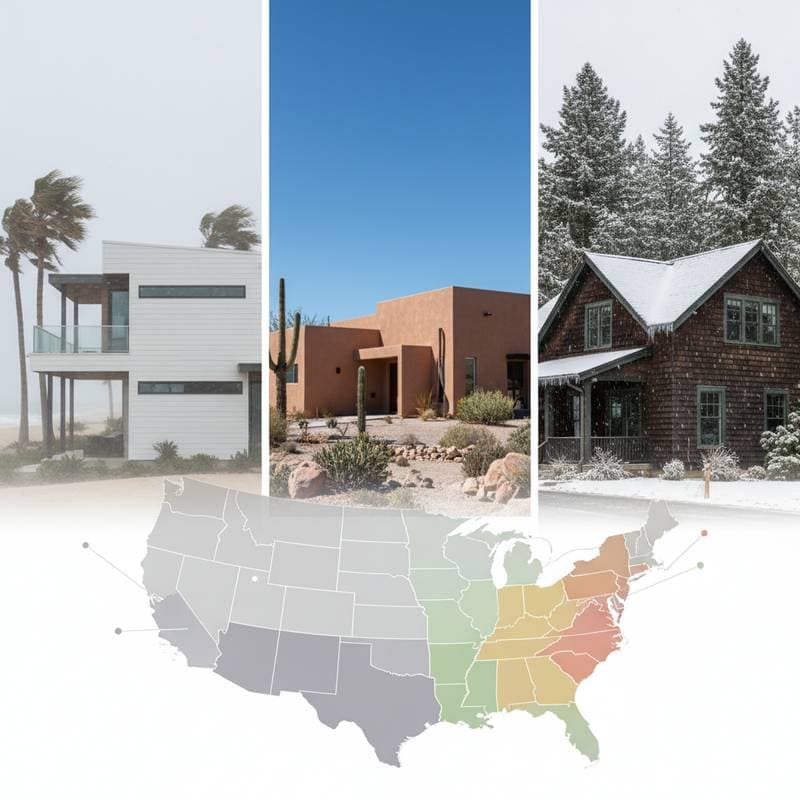
Selecting Siding for U.S. Climate Zones
Homeowners face unique environmental demands based on location. Siding must withstand local conditions while supporting energy efficiency and aesthetic goals. Proper selection reduces repair frequency and preserves property value over decades.
This guide outlines material strengths across U.S. climate zones, from humid coasts to arid interiors. It covers profiles, combinations, and installation basics to inform confident decisions. Budget considerations and maintenance strategies ensure long-term satisfaction.
Understanding Siding Profiles and Materials
Siding profiles define the visual rhythm of a home's exterior. Each type suits specific architectural themes and installation needs. Materials vary in resilience, influencing suitability for regional weather patterns.
Key Siding Profiles
- Lap Siding: Overlapping horizontal planks create a clean, layered effect. This profile adapts to traditional and contemporary homes alike.
- Board and Batten: Vertical boards separated by narrow battens offer a rustic, vertical emphasis. It excels in modern or farmhouse designs.
- Shingles and Shakes: Textured, overlapping pieces mimic natural wood for informal, coastal, or historic vibes.
- Panels: Seamless large-format sheets provide a modern, streamlined appearance in urban settings.
Material Comparison
Evaluate options based on performance metrics. The table below summarizes advantages, drawbacks, and longevity.
| Material Type | Pros | Cons | Typical Lifespan |
|---|---|---|---|
| Vinyl | Affordable, low maintenance, diverse colors | Prone to cracking in cold, fading in sun | 25 to 40 years |
| Fiber Cement | Impact-resistant, fireproof, accepts paint | Requires periodic repainting, heavier weight | 30 to 50 years |
| Engineered Wood | Authentic wood grain, lightweight | Demands regular sealing, susceptible to moisture | 25 to 40 years |
| Metal (Steel/Aluminum) | Superior durability against wind and fire | Potential for dents, narrower color palette | 40 to 60 years |
| Natural Wood | Timeless beauty, customizable finishes | Extensive upkeep, pest vulnerabilities | 20 to 35 years |
Choose materials that align with climate demands. For instance, vinyl suits moderate zones but falters in extremes.
Combining Profiles and Materials
Successful exteriors blend elements thoughtfully. Limit to one primary profile with a secondary accent for cohesion. For example, apply lap siding across main elevations and introduce board-and-batten details on accents like dormers.
Avoid overcomplicating with multiple materials. Professional input or local codes may justify exceptions, but simplicity enhances curb appeal.
Trim and Accent Integration
Trim protects vulnerable edges and highlights features. Select moisture-resistant options like PVC or aluminum to frame doors and windows effectively.
Maintain color harmony with no more than three shades. Contrasting trim draws attention to architectural details without overwhelming the facade.
Design Examples by Home Style
Tailor selections to architectural context.
- Coastal Bungalow: Opt for fiber cement lap siding paired with PVC trim to combat salt spray and humidity.
- Mountain Cabin: Engineered wood shakes deliver warmth and texture, sealed against alpine moisture.
- Suburban Ranch: Vinyl panels with metal accents minimize upkeep in variable temperate conditions.
- Urban Townhome: Metal siding or composite panels ensure fire resistance and sleek modernity.
Siding Recommendations by U.S. Climate Zone
The U.S. Department of Energy divides the country into zones based on temperature and humidity. Recommendations prioritize weather resistance, energy savings, and ease of care.
Zone 1: Hot-Humid (Southeast Coasts, Hawaii)
Intense heat, heavy rain, and hurricanes demand rot-resistant, ventilated systems. Fiber cement or metal siding excels here, offering stability without warping. Costs range from $8 to $15 per square foot installed; expect 40-year durability with minimal maintenance beyond occasional cleaning.
Lap profiles in light colors reflect sunlight, reducing cooling loads. Pair with impact-rated trim for storm protection.
Zone 2: Warm-Humid (Gulf Coast, Florida)
Similar to Zone 1 but with milder winters. Vinyl or engineered wood performs well if properly sealed. Installation averages $6 to $12 per square foot; lifespans reach 35 years with annual inspections for mold.
Shingle profiles evoke beachy charm. Use elevated substrates to prevent ground moisture wicking.
Zone 3: Mixed-Humid (Mid-Atlantic, Midwest)
Variable seasons bring freeze-thaw cycles and humidity. Fiber cement provides balanced resistance. Budget $9 to $14 per square foot for 45-year service life, including repainting every 12 years.
Board-and-batten adds vertical interest. Insulate cavities to manage temperature swings.
Zone 4: Mixed-Dry (Southwest Plains)
Hot summers and cold winters stress expansion joints. Metal siding withstands thermal shifts effectively. Prices fall between $10 and $16 per square foot, with 50-year longevity and low upkeep.
Panel formats suit flat facades. Powder-coated finishes resist UV fading.
Zone 5: Cold-Humid (Northeast, Upper Midwest)
Harsh winters and snow require insulation and crack resistance. Engineered wood or fiber cement holds up against ice dams. Expect $11 to $18 per square foot, yielding 30 to 50 years with sealed joints.
Lap siding in darker tones absorbs winter sun. Rigid foam backers enhance thermal performance.
Zone 6: Cold-Dry (Mountain West)
Extreme cold and dry air favor durable, low-expansion materials. Metal or vinyl options prevent brittleness. Costs average $12 to $17 per square foot for 40-plus years of reliability.
Shakes mimic log cabin aesthetics. Ventilate to avoid condensation buildup.
Zone 7: Very Cold (Northern Plains, Alaska)
Subzero temperatures demand high-impact resilience. Fiber cement or metal siding minimizes cracking. Installation runs $13 to $20 per square foot, supporting 50-year spans with protective coatings.
Simple profiles reduce wind load. Integrate heating elements in trim for ice prevention.
Preparing for Your Siding Project
Systematic planning ensures smooth execution. Start with clear objectives to guide material and contractor choices.
Setting Project Goals
Identify priorities such as durability, aesthetics, or efficiency. Draft a scope outlining targeted areas, including walls, soffits, and gables. Factor in budget and timeline to align expectations.
Consult local codes for zone-specific requirements. This step prevents costly revisions later.
Evaluating Contractors
Solicit bids from at least three licensed professionals. Review detailed quotes covering labor, materials, and extras like flashing or underlayment.
Verify insurance, warranties, and recent project references. Prioritize those experienced in your climate zone.
Reviewing Samples and Mockups
Request physical samples to assess texture and color in natural light. Create small-scale mockups on-site for perspective.
Secure written approvals from all stakeholders before proceeding. This confirms alignment with design vision.
Preparing the Site
Clear the perimeter and protect landscaping. Ensure access for equipment and secure scaffolding.
Coordinate daily schedules to minimize disruption. Stockpile materials in a dry area to avoid weather damage.
Monitoring Installation Quality
Conduct checks at key stages for adherence to standards.
- Inspect house wrap application, ensuring seams are sealed against air leaks.
- Verify fastener placement and depth per manufacturer guidelines.
- Examine trim installations for tight joints and proper caulking.
- Arrange third-party inspection if mandated by regulations.
Address issues promptly to maintain project integrity.
Maintaining Siding for Longevity
Routine care extends material life and preserves appearance. Schedule annual walks around the property to spot early wear.
In humid zones, clear debris from vents to promote airflow. In dry areas, apply sealants to prevent cracking from sun exposure.
Document upkeep tasks in a log, including cleaning dates and touch-up paints. Retain spares for minor storm repairs. These habits yield a resilient, attractive exterior that enhances home value and comfort.