
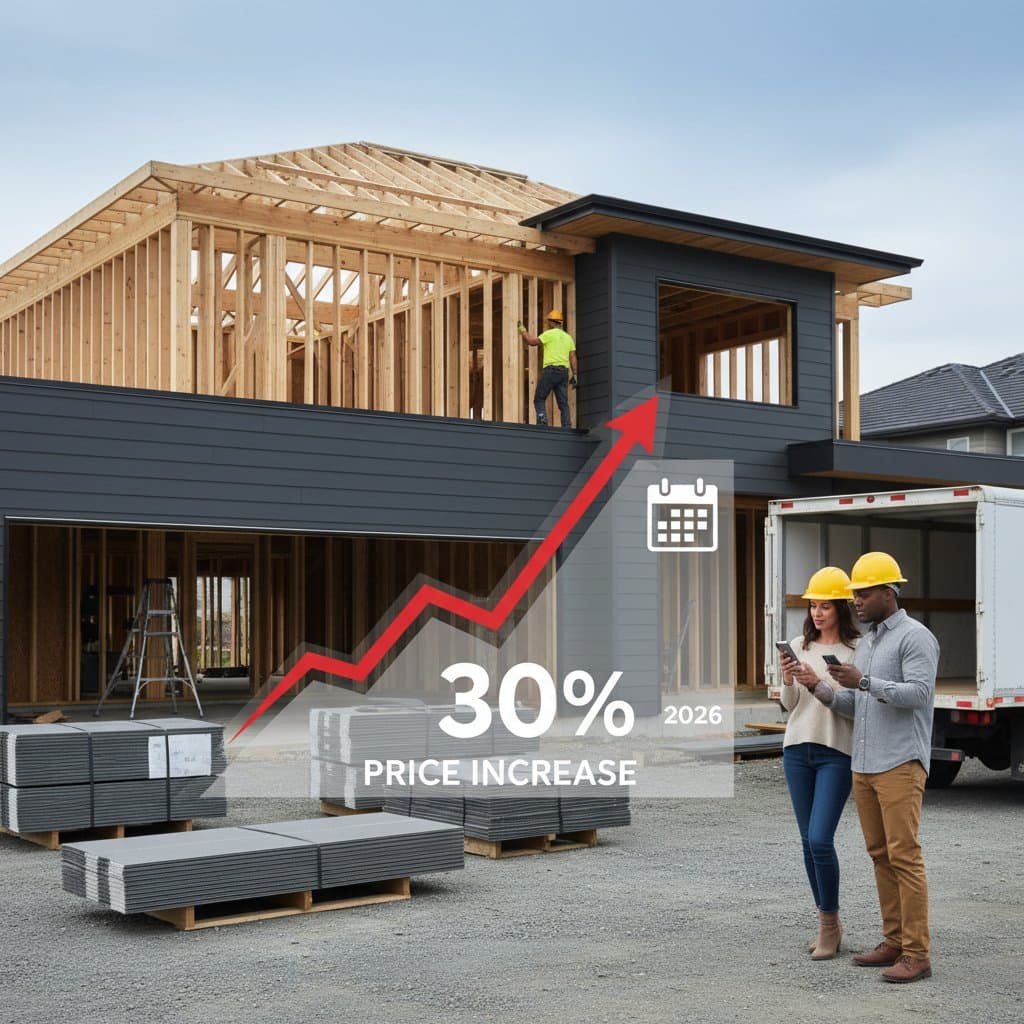
Anticipate the 2026 Siding Shortage and Price Surge
Homeowners contemplating exterior renovations must address emerging supply constraints. Industry analyses and producer projections indicate a potential 30% escalation in siding costs by 2026, driven by persistent raw material shortages, elevated labor expenses, and manufacturing bottlenecks. These factors stem from ongoing global disruptions, including delayed shipments of resins and fibers essential for production. Proactive steps in material selection, timing, and contractor engagement help mitigate financial strain while ensuring project success.
Selecting Materials and Profiles for Durability and Style
Optimal siding choices align with environmental demands, aesthetic goals, and upkeep preferences. Materials vary in performance against weather extremes, influencing both initial investment and longevity.
| Material Type | Pros | Cons | Maintenance Level | Fire and Moisture Resistance |
|---|---|---|---|---|
| Vinyl | Affordable pricing, extensive color variety, straightforward installation | Prone to cracking in subzero temperatures, challenging partial repairs | Low | Adequate moisture barrier, vulnerable to melting in high heat |
| Fiber Cement | Exceptional longevity, authentic wood-like finish | Substantial weight requires reinforced support, increased installation expenses | Moderate | Superior protection from flames and water infiltration |
| Engineered Wood | Natural aesthetic appeal, reduced overall weight | Requires meticulous edge sealing to prevent warping | Moderate | Strong moisture resistance when properly treated |
| Metal (Steel or Aluminum) | Extended service life, environmentally friendly recyclability | Susceptible to denting from hail impacts, cooler visual tones | Low | Outstanding durability against fire and humidity |
| Composite Panels | Consistent pigmentation over time, contemporary design versatility | Elevated upfront costs, scarcity of specialized installers | Low | Robust safeguards for both fire and moisture exposure |
Blending Materials for Cost Efficiency and Design Harmony
Integrating multiple siding types offers opportunities to balance expenses with visual enhancement. Focus combinations on focal points, such as gables or front facades, to maintain cohesion. Align horizontal seams across transitions and select unifying trim hues to streamline the appearance. Restrict usage to no more than two primary materials per facade to simplify future upkeep and preserve architectural integrity.
Practical Recommendation:
Evaluate options based on regional weather patterns and personal care routines. In anticipation of supply limitations, opt for alternative shades or locally available profiles to minimize procurement delays and secure timely project starts.
Ensuring High-Quality Installation to Safeguard Investments
Effective siding installation forms a critical barrier against environmental threats. Substandard work risks warranty invalidation and premature deterioration, often from undetected water intrusion.
Protecting the Building Envelope
Incorporate seamless weather-resistant layers under all siding applications to block moisture penetration. Install metal flashing around openings like windows and doors, as well as at material junctions, to direct water away from vulnerable areas. Establish a minimum one-inch gap between the lowest siding edge and ground level to inhibit capillary action from soil dampness.
Identifying and Avoiding Installation Pitfalls
- Overlook sealant application at vertical joints, allowing wind-driven rain to seep through.
- Position fasteners incorrectly, either too deeply into the substrate or at improper angles, compromising structural hold.
- Leave unsealed spaces at soffit-to-wall connections or trim edges, inviting pest entry or rot.
- Neglect priming on freshly cut surfaces of wood-derived products, accelerating decay from exposure.
Preparing the Worksite Effectively
Coordinate material deliveries to prevent obstruction of access paths or adjacent properties. Develop a comprehensive plan for removing and disposing of existing siding, fasteners, and protective wraps in compliance with local regulations. A tidy workspace accelerates progress and fosters positive interactions with neighbors during construction.
Practical Recommendation:
Engage installation teams experienced with the specific product guidelines. Insist on routine site tidying and visual records of underlying protective measures prior to siding attachment.
Vetting Contractors and Structuring Agreements
Reliable professionals prove indispensable during material scarcity, as they navigate availability challenges adeptly. Detailed contracts outline expectations, averting disputes over scope or timelines.
Defining Project Scope Clearly
- Specify exact product specifications, including type, profile dimensions, and finish colors.
- Detail preparatory elements like sheathing upgrades and moisture barriers.
- Outline accessory components such as trim profiles, soffit venting, and flashing integrations.
- Account for debris removal, site restoration, and associated fees.
- Assign duties for obtaining permits and scheduling inspections.
Evaluating and Negotiating Bids
Request breakdowns that distinguish labor from material expenditures for transparency. Verify that proposals reference identical product standards and gauges to enable accurate comparisons. Discounts from inferior specifications, like reduced panel thickness or excluded accents, undermine apparent savings over time.
Establishing Secure Payment Terms
Tie disbursements to verifiable progress markers rather than fixed dates. Typical phases encompass:
- Initial deposit at agreement execution to secure material orders.
- Intermediate release following demolition and envelope preparation.
- Balance due after final walkthrough and regulatory approval.
Retain a modest retainage until minor corrections address any deficiencies, promoting mutual adherence to quality standards.
Practical Recommendation:
Prioritize firms with certifications in the selected siding systems. Confirm active liability coverage and initiate warranty processes upon project commencement.
Sustaining Value Through Maintenance and Adaptation
Navigating siding shortages demands foresight in planning and execution. Homeowners who secure supplies promptly, enforce rigorous standards, and commit to ongoing care position themselves to weather price volatility. Thoughtful material decisions and preventive upkeep extend asset lifespan, enhancing aesthetic appeal and financial returns in dynamic market conditions.