
Understanding Vinyl Siding's True Lifespan
Vinyl siding markets itself as a durable, hassle-free option for home exteriors. Manufacturers frequently advertise lifespans of 25 years or longer with minimal upkeep. In practice, numerous homeowners observe noticeable deterioration, such as fading, warping, or cracking, around the 15-year mark. Several key elements contribute to this discrepancy: environmental conditions, installation precision, and ongoing care practices. This article delves into these factors, highlights strategies for selecting more resilient options, and outlines preparation for effective replacement projects.
Factors That Shorten Vinyl Siding's Durability
Exposure to ultraviolet rays represents one primary culprit behind premature aging. Sunlight breaks down the pigments in vinyl panels, leading to chalky surfaces and loss of color vibrancy. Over time, this process renders the material brittle, increasing susceptibility to cracks during temperature fluctuations.
Installation errors compound the issue. When fasteners secure panels too tightly, they restrict natural expansion and contraction. This tension causes buckling or splitting, particularly in regions with wide seasonal temperature swings. Proper spacing in nailing slots allows for movement, yet shortcuts during setup often overlook this detail.
Moisture accumulation poses another significant threat. Inadequate house wrap or obstructed drainage paths trap water behind the siding. Resulting rot in underlying sheathing or mold growth weakens the entire system. Even minor leaks from poor flashing around windows and doors exacerbate this problem over years.
Heat sources near the exterior accelerate distortion. Proximity to barbecues, exhaust vents, or south-facing windows that reflect intense sunlight warps panels unevenly. Cleaning oversights further degrade the surface; accumulated dirt, mildew, or chalky residue abrades the protective coating if not addressed regularly.
Homeowners in coastal or humid areas face amplified challenges. Salt air corrodes metal components like nails, while high humidity fosters biological growth. In contrast, arid climates may see faster fading from unrelenting sun without the buffering effect of frequent rain.
Selecting Superior Vinyl Siding Profiles and Materials
Choosing the right profile enhances both aesthetics and longevity. Clapboard profiles mimic traditional wood siding with their overlapping horizontal lines, ideal for ranch-style or colonial homes. These offer straightforward installation and broad compatibility with existing trim.
Dutch lap profiles introduce a refined shadow line along the lower edge of each panel. This design conceals minor surface imperfections and adds depth to facades. Homeowners favoring subtle elegance often select this option for its balance of style and practicality.
Board and batten profiles feature vertical orientation with battens covering seams, suiting contemporary or farmhouse designs. Taller panels reduce joints, minimizing potential weak points. Vertical applications also shed water efficiently in rainy climates.
Material composition influences performance significantly. Standard vinyl, derived from polyvinyl chloride resin with integrated colorants, provides an economical choice. However, its thinner construction and basic UV protection lead to quicker fading in direct sunlight.
Insulated variants incorporate foam backing between layers, boosting rigidity and thermal efficiency. This added insulation reduces energy loss through walls and dampens noise from outside. The extra weight demands careful handling during installation but yields a more premium appearance.
Co-extruded options feature a robust capstock layer infused with advanced stabilizers. This outer shell resists UV degradation and maintains color integrity longer, especially beneficial in sunny regions. Thicker gauges, typically 0.044 inches or more, withstand impacts from hail or debris better than thinner counterparts.
When combining elements, maintain consistency for optimal results. Limit profile mixes to horizontal and vertical accents only, ensuring seamless transitions at corners and openings. Select no more than two complementary colors to avoid visual clutter on smaller homes; darker shades at the base ground the structure while lighter tones lift upper stories.
Trim components complete the system effectively. Undersill trim secures panels below windows, while J-channels frame openings to direct water away. Source all accessories from the same manufacturer to guarantee dimensional accuracy and preserve warranty validity. Avoid applying sealant to expansion joints, as it impedes movement and invites moisture buildup.
Consider these tailored examples for inspiration:
- For a compact suburban ranch house in a temperate zone, opt for clapboard panels in a neutral tone with matching white trim. Mid-thickness material suffices for moderate sun exposure.
- A two-story colonial benefits from Dutch lap siding paired with bold shutter accents and ornate crown molding for historical charm.
- Modern infill properties shine with vertical board and batten in a sleek, low-gloss finish, emphasizing clean lines with sparse trim details.
Preparing for a Vinyl Siding Replacement Project
Approach replacement with thorough planning to avoid common pitfalls. Start by assessing the current installation's condition. Identify whether issues stem from cosmetic wear or structural damage like water intrusion. Calculate the square footage of affected walls, factoring in gables, dormers, and soffits for accurate material estimates.
Compile a list of potential contractors experienced in your local conditions. Prioritize those certified by major vinyl producers, such as CertainTeed or Georgia-Pacific. Request references and portfolios showcasing completions in similar environments, like high-wind coastal sites or intense sun belts.
Evaluate proposals side by side for transparency. Insist on breakdowns covering panel specifications, insulation levels, warranty durations, and subcontractor details. Dismiss bids lacking itemized costs or relying on generic totals, as they obscure potential upcharges.
Test materials firsthand before committing. Examine physical samples under natural daylight to gauge true color and texture; screen representations often mislead. If feasible, arrange a small mockup on an inconspicuous area to preview the full effect.
Prepare the site meticulously for smooth execution. Trim back vegetation encroaching on walls, relocate outdoor items like patio furniture, and protect delicate features such as landscaping lights. Ensure access to electricity and water sources facilitates tool operation and debris management.
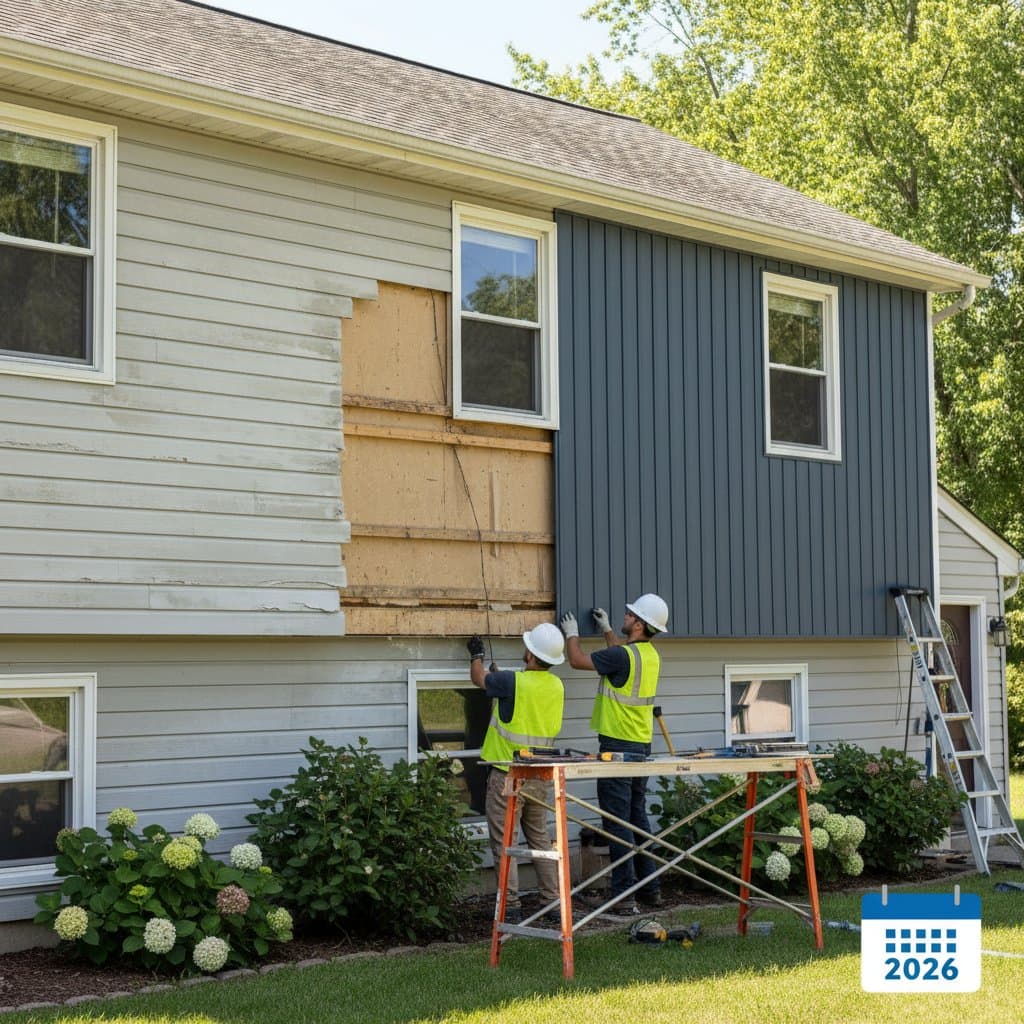
Anticipate the installation timeline, typically spanning several days for average homes. Noise from cutting and hammering persists throughout, alongside dust and scraps. Instruct workers to shield stored panels from weather and lay them flat to prevent warping.
Monitor progress actively for quality assurance. Verify that nails penetrate nailing hems loosely, permitting 1/32-inch play for thermal shifts. Upon finishing, conduct a comprehensive inspection: check for proper flashing integration, even trim placement, and thorough site restoration.
Maintenance Practices to Extend Service Life
Regular upkeep preserves vinyl siding's appearance and function. Inspect annually for signs of wear, such as loose panels or discoloration. Gently clean with a soft brush and mild detergent solution, rinsing from top to bottom to prevent streaking. Avoid high-pressure washers, which can gouge the surface.
Address issues promptly to prevent escalation. Secure rattling sections with replacement fasteners, and clear debris from gutters to maintain drainage. In winter, remove ice buildup carefully to avoid prying damage.
Document all maintenance and repairs meticulously. Photographs and receipts support warranty claims if defects arise. For enhanced protection, apply manufacturer-recommended UV-resistant coatings every five years in high-exposure areas.
Planning for Long-Term Exterior Protection
View vinyl siding as a reliable yet finite component of home maintenance. Allocate funds proactively for renewal every 15 to 20 years, adjusted for your locale's demands. When early indicators like persistent fading or wind-induced noise appear, initiate a deliberate upgrade rather than reactive fixes.
Prioritize selections with proven resilience: thicker panels, integrated insulation, and robust UV defenses. Demand installations that incorporate breathable barriers and precise venting to mitigate moisture risks. By integrating these practices, homeowners secure an exterior that endures closer to promised durations, enhancing curb appeal and property value over time.