
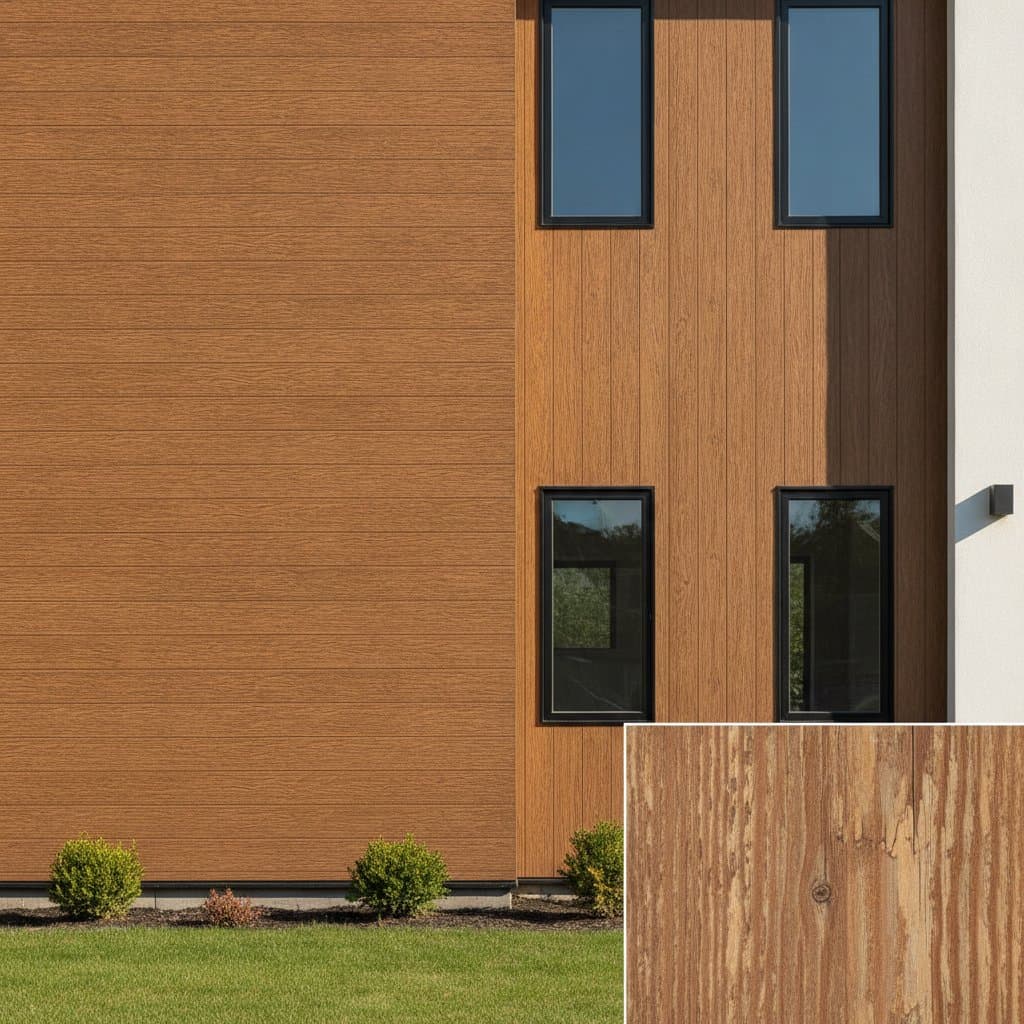
2026 Vinyl Breakthrough Makes Siding Look Like Wood
Homeowners who prefer the appearance of cedar or redwood often seek options with reduced upkeep. A recent vinyl siding line introduces a surface texture that mimics cut wood grain with near photographic accuracy. It employs layered pigments and precision embossing to replicate the color depth and irregularities of real timber. The result delivers the look of stained boards while retaining the stability of engineered vinyl.
Style and Selection Explainer
The new vinyl line offers lap, board and batten, and shake profiles. Each profile suits a different architectural style.
- Lap siding fits ranch, colonial, and cape styles.
- Board and batten adds height to farmhouses and modern builds.
- Shake panels give gables and dormers visual weight.
Material comparison
| Material | Appearance Realism | Maintenance | Installed Cost (per sq. ft.) | Lifespan (yrs) |
|---|---|---|---|---|
| Traditional vinyl | Moderate | Low | 3 to 7 | 25 to 40 |
| New wood texture vinyl | High | Low | 5 to 10 | 30 to 50 |
| Painted wood | Excellent | High | 7 to 12 | 15 to 25 |
| Fiber cement | High | Medium | 8 to 14 | 30 to 50 |
Mixing rules
Keep one dominant texture on the main body. Add the wood look vinyl to accent areas such as gables or porch walls. This approach maintains design balance and controls the budget.
Trim logic
Smooth or matte trim finishes work best beside the textured surface. Avoid glossy trims that break the illusion.
Durability and Safety Brief
High definition vinyl grain provides more than visual appeal. The resin blend resists ultraviolet fade, hail dents, and moisture intrusion. Panels lock tightly to reduce wind lift. The backing can include insulation for improved thermal control.
Weather and fire performance
- Rated to withstand winds up to 160 miles per hour when installed to code.
- Classified as self extinguishing once the flame source is removed.
- Non porous surface prevents mold growth and water absorption.
Maintenance
- Wash once a year with mild detergent and a soft brush.
- Avoid pressure washers above 1500 psi to prevent surface etching.
- Inspect joints and trim caulk every two years.
Warranty basics
Manufacturers typically back color and structural integrity for limited lifetime coverage. Coverage requires adherence to cleaning rules and prohibits painting the panels.
Step by Step Project Prep
- Define goals. Decide whether the project involves full replacement or a facade update.
- Shortlist contractors. Choose installers trained in the new texture system.
- Request samples and mockups. View panels in sunlight to judge realism.
- Prepare the site. Clear vegetation, check sheathing, and verify flashing.
- Track milestones. Confirm fastener spacing, joint alignment, and trim seals before final payment.
Long Term Performance Expectations
Once installed, the new vinyl cladding provides the warmth of wood without the repainting cycle. Its color stability holds through sun, rain, and snow. Regular cleaning and inspection suffice to maintain surface sharpness for decades.