
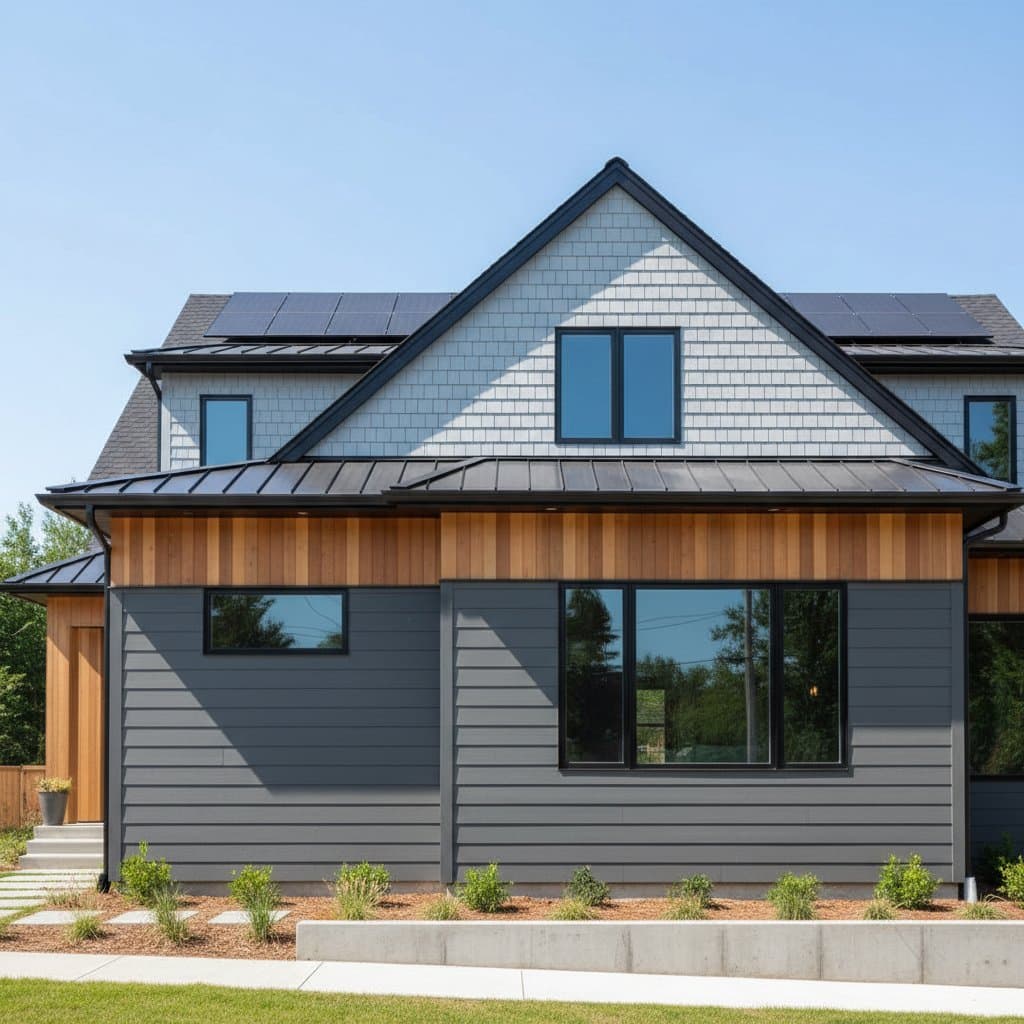
The Benefits of Combining Vinyl, Wood, and Fiber Cement Siding
Homeowners seeking distinctive curb appeal frequently explore options beyond uniform siding materials. Integrating vinyl, wood, and fiber cement creates a multifaceted exterior that appears bespoke while remaining budget-conscious. These materials each contribute unique attributes, such as varied textures, rich color variations, and robust performance characteristics. Successful integration hinges on strategic planning that accounts for the home's architecture, local climate conditions, and long-term upkeep requirements.
This approach not only enhances visual interest but also optimizes practical benefits. Vinyl provides economical coverage for expansive areas, wood introduces organic warmth, and fiber cement ensures structural reliability. By blending these elements thoughtfully, owners can achieve a facade that withstands environmental challenges and evolves with personal style preferences.
Selecting and Styling Materials for Cohesive Design
Key Profiles and Their Applications
Understanding the primary profiles of each material is essential for effective combinations. Vinyl in lap or shake configurations suits broad wall surfaces due to its straightforward installation and minimal upkeep demands. Fiber cement, available in panel or board-and-batten styles, imparts contemporary edges or vertical drama, ideal for accentuating architectural features. Wood elements, particularly in trim and accent forms, infuse natural character around doorways, windows, or gable ends.
Material Strengths and Considerations
Each siding type offers distinct advantages alongside specific limitations, informing their placement in a mixed design.
| Material | Strengths | Limitations |
|---|---|---|
| Vinyl | Affordable pricing, fade-resistant colors, minimal maintenance | Potential warping in extreme heat, challenging individual repairs |
| Fiber Cement | Resistance to fire and impact, dimensional stability, customizable painting | Increased weight requiring sturdy support, demands accurate moisture barriers |
| Wood | Authentic grain and texture, straightforward customization | Requires protective sealants, susceptible to moisture damage without care |
Guidelines for Harmonious Material Blends
To avoid a disjointed appearance, adhere to principles that promote unity. Limit visible materials to three from any single viewpoint to prevent visual clutter. Designate one material as the primary coverage for the main body, a secondary for transitional zones, and a tertiary for accents that draw the eye.
Focus contrasts on texture rather than color intensity to maintain balance. Pair smooth fiber cement panels with vinyl mimicking cedar shakes for subtle depth. Position material shifts along natural divisions, such as foundation lines or horizontal trim bands, ensuring seamless transitions.
Integrating Trim and Accents Effectively
Selecting compatible trim materials is crucial for durability and aesthetics. Fiber cement or polyvinyl chloride (PVC) trim excels at bridging dissimilar sidings, providing watertight seals and concealing movement joints. Steer clear of untreated wood trim adjacent to vinyl, as differing expansion rates can lead to gaps or cracks over time.
Incorporate accents strategically to highlight focal points. For instance, use wood bevels to frame entryways, contrasting with vinyl fields below and fiber cement above. This layering adds dimension without overwhelming the overall composition.
Real-World Application Example
Consider a classic two-story colonial residence in a temperate region. Apply vinyl lap siding to the ground level for efficient coverage and cost savings during installation. Transition to fiber cement shakes on the upper gables to introduce varied texture and elevate fire resistance near the roofline. Finish with stained cedar trim encircling windows and the front door to convey inviting warmth. This configuration not only appears deliberately crafted but also performs reliably across seasonal weather fluctuations, from humid summers to frosty winters.
Preparing for a Successful Mixed Siding Project
Thorough preparation transforms a complex project into a manageable endeavor. Begin by clarifying objectives, whether prioritizing aesthetic diversity, enhanced safety features, or superior moisture management.
1. Establish Project Objectives and Scope
Outline specific aims early. Determine if the focus lies on amplifying architectural details, improving energy efficiency through material properties, or adhering to local building codes. Assess the home's existing structure, including wall sheathing and framing, to ensure compatibility with mixed materials.
2. Identify Qualified Contractors
Seek professionals with certifications from major manufacturers like James Hardie for fiber cement or CertainTeed for vinyl. Review portfolios of past mixed-material installations to gauge expertise in transitions and detailing. Obtain multiple bids that itemize labor, materials, and any custom fabrication needs.
3. Evaluate Samples in Context
Request physical samples of proposed sidings, trims, and colors. View them under varying natural lighting conditions and juxtaposed against your roof shingles, brickwork, or stone elements. Create small-scale mockups on a test wall to visualize the full combination before committing.
4. Organize Site Logistics
Plan for material deliveries by securing access paths and protecting surrounding landscapes with tarps or barriers. Coordinate timing to minimize disruption, such as scheduling during weekdays to avoid neighbor disturbances. Verify storage areas remain dry to prevent premature material degradation.
5. Detail Installation Specifications
Collaborate on technical aspects, including appropriate flashing systems to divert water at joints, recommended fastening patterns for each material, and precise locations for expansion joints. Ensure the plan addresses ventilation behind sidings to mitigate moisture buildup.
6. Monitor Progress Through Key Stages
Conduct inspections at critical junctures. Verify the integrity of the weather-resistive barrier prior to siding application. Once installed, examine seam alignments, trim installations, and sealant applications. Final walkthrough should confirm level surfaces, secure fastenings, and uniform caulking before releasing payment.
Cost Management Strategies
Balancing expenses across materials requires deliberate allocation. Vinyl typically ranges from $3 to $7 per square foot installed, making it suitable for bulk areas. Fiber cement, at $8 to $14 per square foot, justifies investment in high-exposure zones for its longevity. Wood accents, costing $10 to $20 per square foot, add value through selective use rather than widespread application.
Factor in ancillary costs like custom milling for wood or specialized tools for fiber cement. Negotiate bundled pricing with contractors experienced in multi-material work to reduce labor overlaps. Long-term savings emerge from reduced maintenance, as vinyl and fiber cement demand less frequent interventions than wood alone.
Ensuring Longevity Through Maintenance
A mixed siding ensemble rewards proactive care with sustained performance and appeal. Schedule annual inspections to detect early signs of wear, such as fading on vinyl or sealant cracks at transitions. Maintain clear gutters to prevent water cascading onto walls, and redirect irrigation systems to avoid direct soil contact with bases.
Address material-specific needs promptly. Reapply sealants to wood elements every three to five years, depending on exposure. Clean fiber cement with gentle pressure washing to remove mildew, while vinyl benefits from mild soap solutions. These routines preserve the intentional design, ensuring the facade remains a source of pride amid changing seasons and trends.