
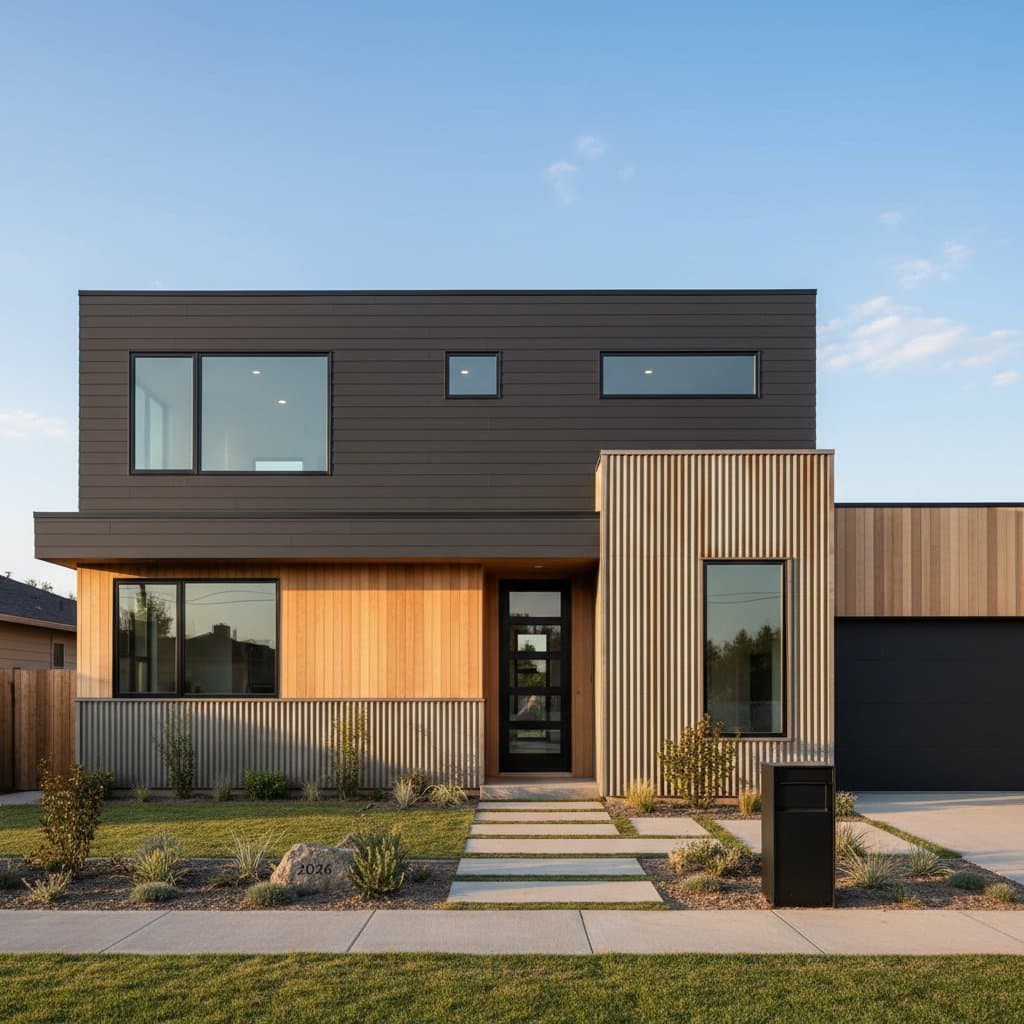
Introduction to Hybrid Siding
Hybrid siding represents an innovative approach to exterior home design, combining multiple materials to achieve both aesthetic appeal and functional performance. Materials like fiber cement, natural wood, and metal accents work together to create facades that resist weathering while offering varied visual interest. Homeowners increasingly choose this option for its ability to blend timeless style with modern resilience, particularly as resale markets prioritize low-maintenance features.
The trend gains momentum in 2026 due to advancements in material engineering, which allow seamless integration without compromising integrity. Properties equipped with hybrid siding often command higher offers, as buyers value the reduced upkeep and enhanced curb appeal. This guide examines key aspects, from initial costs to long-term benefits, equipping readers with the knowledge to make informed decisions.
Understanding the Benefits and Return on Investment
Hybrid siding provides several advantages over traditional single-material options. It enhances durability by leveraging the strengths of each component: fiber cement offers fire resistance and low expansion, wood adds natural warmth, and metal introduces sleek, contemporary lines. Together, these elements create exteriors that withstand harsh climates, reducing repair needs over time.
From a financial perspective, the return on investment proves compelling. Initial installation costs range from $8 to $15 per square foot, depending on material combinations and regional labor rates. For a typical 2,000-square-foot home, expect total expenses between $16,000 and $30,000. However, this investment yields a 70 to 85 percent recovery at resale, according to industry benchmarks, as updated exteriors signal quality and care to potential buyers.
Beyond monetary returns, hybrid siding boosts property desirability. Clean, varied textures photograph effectively for online listings, attracting more viewings. The combination also improves energy efficiency when paired with proper insulation, potentially lowering utility bills by 10 to 15 percent in moderate climates.
Design Principles for Balanced Hybrid Exteriors
Effective design ensures hybrid siding enhances rather than overwhelms a home's architecture. Start by considering the overall structure and street-facing views to maintain harmony.
-
Massing: Position heavier materials, such as stone veneers or darker fiber cement panels, on lower levels. This technique grounds the building visually and creates a stable foundation appearance.
-
Contrast: Incorporate a mix of light and dark tones across materials. Insufficient contrast results in a monotonous facade, while excessive variation appears chaotic; aim for subtle shifts that highlight architectural features.
-
Proportion: Limit accent materials to no more than one-third of the total wall surface. This approach maintains visual control and prevents any single element from dominating the composition.
-
Color Depth: Select hues with compatible undertones, such as warm earth tones or cool grays, to ensure cohesion. Mismatched temperatures can create visual discord, detracting from the home's elegance.
-
Entry Focus: Accentuate the front entrance with uniform trim and strategic lighting. This draws the eye to the focal point without introducing overwhelming details elsewhere.
Well-executed designs not only elevate first impressions but also align with buyer preferences for quality construction. Horizontal lines and consistent shadow play across materials convey craftsmanship and durability.
Key Insight: View the design from the street level rather than isolated product samples. Simplicity bolstered by thoughtful contrast delivers optimal curb appeal and preserves value over years.
Installation Essentials
Proper installation forms the foundation of a successful hybrid siding project. Engage certified contractors experienced in multi-material applications to avoid common pitfalls like moisture trapping or uneven expansion.
Begin with a thorough site assessment, including structural inspections and moisture barrier evaluations. Secure a detailed plan that specifies material transitions, flashing placements, and ventilation requirements. For instance, ensure wood elements receive adequate sealing to prevent rot, while metal accents demand precise alignment to avoid gaps.
The process typically spans one to two weeks for standard homes, with costs influenced by complexity. Post-installation, conduct a walkthrough to verify secure fastening and seamless joints. Adhering to manufacturer guidelines extends the lifespan and activates full warranty protections.
Maintenance and Longevity Strategies
Hybrid exteriors demand coordinated care to prevent one material from compromising others. Routine attention preserves both aesthetics and structural integrity, minimizing long-term expenses.
Essential Maintenance Checklist:
- Twice Yearly: Gently rinse surfaces using a soft brush and mild detergent solution. Steer clear of high-pressure washers, especially around seams, to prevent sealant damage.
- Annually: Examine caulking, fasteners, and trim junctions for wear or separation. Address any issues promptly to maintain weatherproofing.
- Every 5 to 10 Years: Apply fresh paint or sealant to fiber cement and engineered wood components, following product-specific intervals.
- After Severe Weather: Survey for impacts like dents in metal, chips in cement, or shifted flashing; repair immediately to avert further deterioration.
- Every 15 Years: Evaluate warranty status and perform finish touch-ups to sustain appearance and coverage.
Document all activities with a maintenance log, including dates, methods, and receipts. Such records support warranty claims and reassure buyers during resale discussions.
Key Insight: Establish a straightforward logging system for upkeep tasks. This practice not only upholds warranties but also builds buyer trust through demonstrated diligence.
Embracing Long-Term Performance
Hybrid siding delivers ongoing flexibility when supported by intentional planning and consistent care. Facades featuring balanced contrasts and regular maintenance exhibit reduced color fading, superior moisture management, and heightened buyer appeal.
Over time, these homes demonstrate resilience against environmental stresses, from UV exposure to seasonal humidity. Owners report fewer interventions compared to uniform material setups, allowing more focus on enjoyment rather than repairs. Ultimately, this choice aligns with sustainable living goals, as durable exteriors reduce replacement frequency and resource use.
Final Consideration: Invest in hybrid siding for exteriors that evolve gracefully, enhancing daily living while securing financial advantages for the future.