
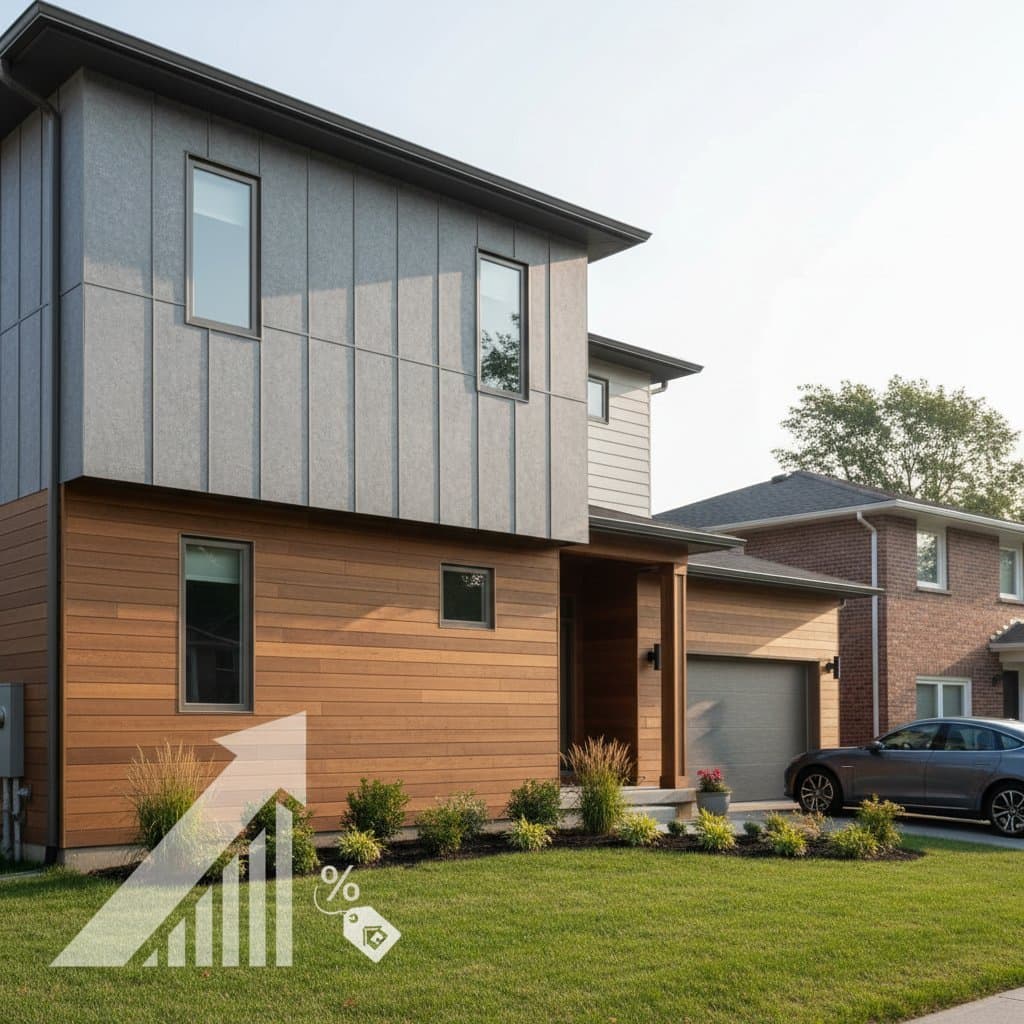
Introduction to High-ROI Siding Choices
Homeowners investing in exterior updates seek materials that combine aesthetic appeal with strong financial returns. In 2026, certain siding options stand out for recouping up to 95 percent of installation costs upon resale. Factors such as durability, low maintenance, and broad buyer preference drive these impressive returns.
This article examines key siding materials, their costs, performance characteristics, and strategies to maximize value. By focusing on proven choices like fiber cement and engineered wood, readers gain insights into selections that enhance curb appeal while preserving long-term equity. Proper installation and care further amplify these benefits, ensuring the home remains competitive in evolving real estate markets.
Evaluating Top Siding Materials for 2026
Siding materials vary in composition, price, and performance, influencing their resale impact. Homeowners must weigh initial expenses against expected returns, considering regional climate and architectural style. The following analysis highlights options projected to yield 95 percent or higher ROI based on 2026 market trends.
Fiber Cement Siding
Fiber cement combines cement, sand, and cellulose fibers to create resilient panels that mimic wood or stucco textures. Installation costs range from $8 to $14 per square foot, including labor, positioning it as a mid-range investment. Its resistance to rot, insects, and fire makes it ideal for diverse climates, contributing to a lifespan of 50 years or more.
In resale scenarios, fiber cement recovers 95 to 98 percent of costs due to its premium appearance and minimal upkeep needs. Buyers appreciate its ability to maintain color and structural integrity, reducing future repair expenses. For homes in humid or coastal areas, this material excels by preventing moisture-related damage that could deter purchasers.
Engineered Wood Siding
Engineered wood, often strand or oriented-strand board treated with resins, offers a natural wood look at lower costs than solid timber. Expect to pay $6 to $12 per square foot installed, making it accessible for budget-conscious upgrades. It provides good insulation value and can be painted to match neighborhood aesthetics.
This siding achieves 92 to 96 percent ROI in 2026 projections, thanks to its balance of affordability and durability. Properly sealed, it withstands weathering for 30 to 40 years, appealing to eco-minded buyers who value sustainable manufacturing processes. Avoid direct ground contact to prevent swelling, ensuring the material performs as expected over time.
Vinyl Siding as a Budget-Friendly Alternative
Vinyl siding, made from PVC, remains popular for its ease of installation and variety of profiles. Costs typically fall between $4 and $8 per square foot, offering the lowest entry point among high performers. It resists fading and requires little maintenance, though it may crack in extreme cold.
While vinyl often recoups 85 to 95 percent on resale, premium grades approach the top tier in 2026. Its lightweight nature simplifies retrofits on older homes, broadening appeal in entry-level markets. Select thicker gauges for better wind resistance, enhancing perceived quality during buyer inspections.
Other Contenders: Brick and Metal Siding
Traditional brick veneer delivers timeless elegance with costs of $10 to $20 per square foot, yielding 90 to 95 percent ROI through unmatched longevity. Metal siding, such as aluminum or steel, costs $5 to $10 per square foot and resists corrosion, appealing in modern designs. Both options suit specific styles but may limit flexibility compared to versatile fiber cement.
Design Strategies to Boost Curb Appeal
Effective design elevates siding beyond functionality, directly impacting buyer perceptions and resale speed. Thoughtful choices in alignment, color, and emphasis create a cohesive exterior that photographs well and invites closer inspection. These elements ensure the investment translates to higher offers.
Installation Precision
Maintain level and consistent siding courses around corners to achieve a professional finish. Incorporate trim in a contrasting yet neutral tone to frame windows and doors effectively. Limit the palette to one primary color and one accent for added depth without visual overload.
Reserve vertical siding or board-and-batten styles for focal points like gables or entryways to draw attention strategically.
Color Selection Guidelines
Opt for mid-tone grays, warm taupes, and soft whites, as these hues photograph effectively and attract a wide buyer audience. Steer clear of extreme contrasts unless offset by natural elements such as stone or brick accents. Such selections harmonize with surrounding landscapes and enhance overall marketability.
Emphasizing the Entryway
The front door area holds significant visual importance in first impressions. Align light fixtures, house numbers, and trim precisely, while concealing siding seams from street-level views. A polished entry signals attention to detail, encouraging buyers to envision themselves in the space.
Practical Assessment Tip
Capture photographs of your home from the street both before and after the siding installation. Balanced compositions in images generally align with in-person buyer reactions, guiding refinements for optimal appeal.
Maintenance Practices for Sustained Value
Regular upkeep preserves siding integrity, preventing minor issues from escalating into costly repairs. Even durable materials require periodic attention to combat environmental wear. Consistent routines protect the initial investment and reassure potential buyers of the home's condition.
Essential Maintenance Checklist
Conduct an annual wash using mild detergent and a soft brush to eliminate dirt and mildew buildup.
Every two to three years, inspect caulk joints, repaint trim as needed, and address any chipped coatings promptly.
Every five years, examine fasteners and flashing for signs of corrosion or loosening to maintain secure attachment.
Refrain from using pressure washers exceeding 1,500 psi, as they may force water behind panels and cause damage. Trim surrounding landscaping to promote air circulation and reduce moisture retention.
Understanding Warranty Coverage
Siding manufacturers typically provide material warranties spanning 20 to 50 years, though labor protections often extend only one year. Retain all documentation from suppliers and installers to validate claims during resale discussions. This paperwork underscores the home's protected status, bolstering negotiation leverage.
Key Insight for Buyers
An exterior that appears clean and securely sealed conveys diligent ownership, prompting buyers to offer premiums reflective of reduced risk.
Integrating Siding into Daily Home Life
Selecting siding involves more than financial metrics; it must align with lifestyle demands and community context. Fiber cement and engineered wood excel in delivering high ROI alongside practical benefits, while vinyl serves as a reliable choice for constrained budgets. Success hinges on expert installation, moisture management, and steady maintenance to sustain performance.
Homeowners who prioritize these aspects enjoy enhanced protection and aesthetic pleasure over the years. Neighborhood harmony ensures the upgrade complements rather than competes, facilitating smoother resales. Ultimately, informed choices transform exterior investments into enduring assets that elevate living standards and market positioning.