
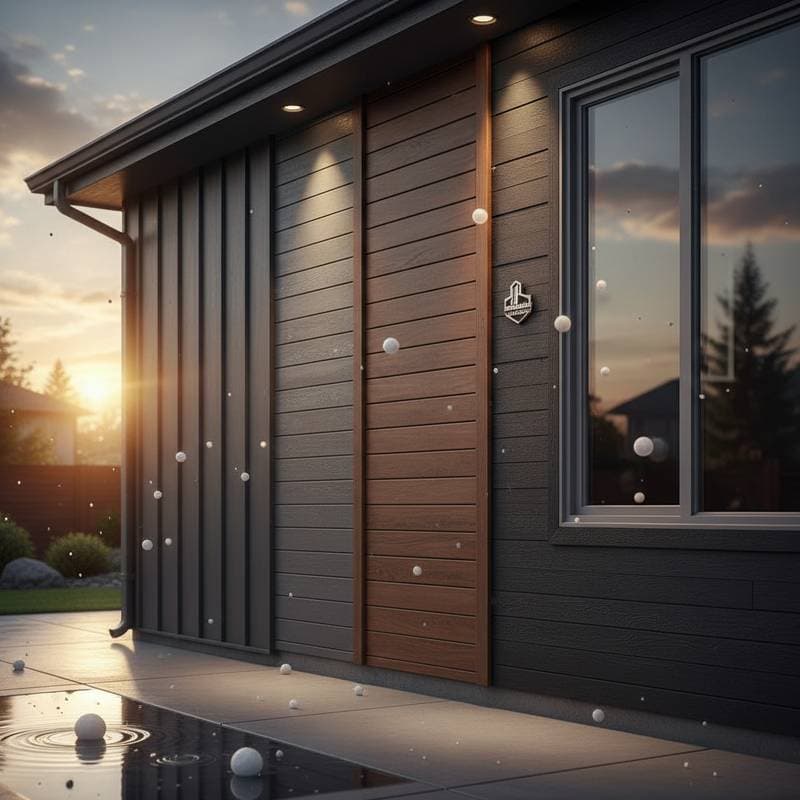
Top Hail-Resistant Siding Options for 2025: Proven Performers
Hail-resistant siding safeguards a home's structural integrity and enhances its market value. Severe storms inflict substantial exterior damage, often resulting in elevated insurance premiums through frequent claims. Materials engineered for impact resistance, efficient water shedding, and enduring color retention minimize these long-term expenses while elevating visual attractiveness.
This analysis examines leading materials validated through rigorous testing for hail durability. It details influences of cost, aesthetic integration, and upkeep on overall performance and appeal to potential buyers. Readers receive step-by-step recommendations to develop a robust, weather-defiant facade.
Evaluating Costs, Returns, and Key Influences
Investing in hail-resistant siding yields tangible benefits, particularly for buyers who prioritize low-maintenance exteriors and predictable insurance expenses. Installation costs fluctuate according to material selection, existing surface preparation, and architectural features.
Typical Installed Costs per Square Foot:
- Reinforced Vinyl Panels: $8 to $12
- Fiber Cement Boards: $10 to $16
- Steel Panels: $14 to $22
- Engineered Wood Siding: $11 to $17
Primary Cost Influences:
- Demolition and Waste Removal: Stripping prior siding adds $1 to $3 per square foot, depending on attachment method and debris volume.
- Building Height: Elevated structures demand additional safety equipment and crew time for upper levels.
- Architectural Details: Intricate trim work extends labor hours for precise cuts and seals.
- Site Constraints: Limited access due to vegetation or proximity to neighbors complicates material transport and staging.
- Enhanced Barriers: Premium house wraps and metal flashings bolster weatherproofing at a modest additional expense.
For a modest single-level residence, a full replacement ranges from $14,000 to $20,000. Medium-sized two-story properties typically require $24,000 to $38,000. Expansive or ornate designs may surpass $50,000, especially in high-labor regions.
Investment Recovery:
Research from industry sources indicates a 70 to 85 percent recoupment of costs upon sale, with superior returns in hail-prone areas. Prospective owners appreciate the diminished risk of claims and the polished look of certified impact-resistant surfaces.
Practical Recommendation:
Allocate funds for comprehensive underlayments and sealants alongside the primary material. These elements fortify defenses against moisture penetration following hail events, extending the system's lifespan.
Enhancing Aesthetics with Durable Design
Superior hail resistance integrates seamlessly with architectural style, avoiding any sacrifice in visual harmony. Effective designs harmonize scale, palette, and accents to project elegance from afar and in professional photography.
Essential Design Principles:
- Structural Balance: Simplify expansive planes and introduce variety through banding or varied profiles to maintain interest.
- Tonal Harmony: Pair neutral base shades with contrasting accents to define openings and add depth.
- Alignment and Scale: Match siding seams to structural lines like lintels and bases for cohesive rhythm.
- Finish Selection: Opt for low-sheen surfaces that camouflage minor impacts more effectively than reflective ones.
- Focal Points: Accentuate entrances with robust framing, contemporary fixtures, and legible numbering to signal quality.
Blending Materials Thoughtfully:
Restrict combinations to two primary textures per facade to avoid overwhelming patterns. Consider steel planks on lower sections paired with fiber cement accents in upper features, unified by shared hues for subtle cohesion.
Practical Recommendation:
Choose subdued palettes such as soft grays, earth tones, or forest shades that obscure subtle weathering. These selections sustain a fresh appearance over time without frequent touch-ups.
Ensuring Longevity Through Maintenance
Diligent upkeep prolongs the service life of hail-resistant siding and upholds its protective qualities. Regular attention also upholds manufacturer warranties by demonstrating responsible ownership.
Recommended Cleaning Practices:
Annual rinsing with a standard hose and gentle soap solution removes surface accumulations. Pressure washing exceeds 1,200 psi risks driving contaminants into joints, so manual methods prove safer. Employ soft-bristled tools for irregular textures to dislodge organic buildup without abrasion.
Scheduled Assessments:
Examine sealant integrity and edge fittings biennially to detect early gaps. Evaluate surface coatings on wood-based or cement products every five years for signs of fading. Inspect metal elements promptly for any abrasions that might invite corrosion.
Preventive Measures:
Apply fresh topcoats upon noticing reduced luster to counter environmental wear. Promptly substitute fractured sections to block potential water pathways.
Upkeep Schedule:
| Task | Interval | Required Tools |
|---|---|---|
| Surface Washing | Annually | Hose, soft brush, mild detergent |
| Joint Examination | Biennially | Ladder, illumination device |
| Coating Renewal | Every 5 Years | Brushes, applicators, sealant |
| Panel Replacement | As Required | Removal tools, secure fasteners |
Practical Recommendation:
Establish calendar alerts for routine checks. Addressing small issues swiftly averts escalation, potentially adding years to the material's effectiveness.
Integrating Siding into a Comprehensive Home Protection Strategy
Hail-resistant siding, once in place, provides reassurance alongside a refined exterior transformation. Initial expenditures offset through fewer repairs, streamlined claims processes, and bolstered market positioning. Steel and fiber cement excel in standardized impact evaluations, whereas advanced engineered wood serves as a reliable choice for moderated budgets.
Forward-thinking owners view siding as one component of an interconnected shield, encompassing drainage systems, perimeter seals, and thermal barriers. This holistic approach maintains interior dryness and exterior allure well beyond subsequent weather challenges, securing enduring property value.